SunTera 5 MWh passes large-scale fire test as Jinko targets denser BESS deployment

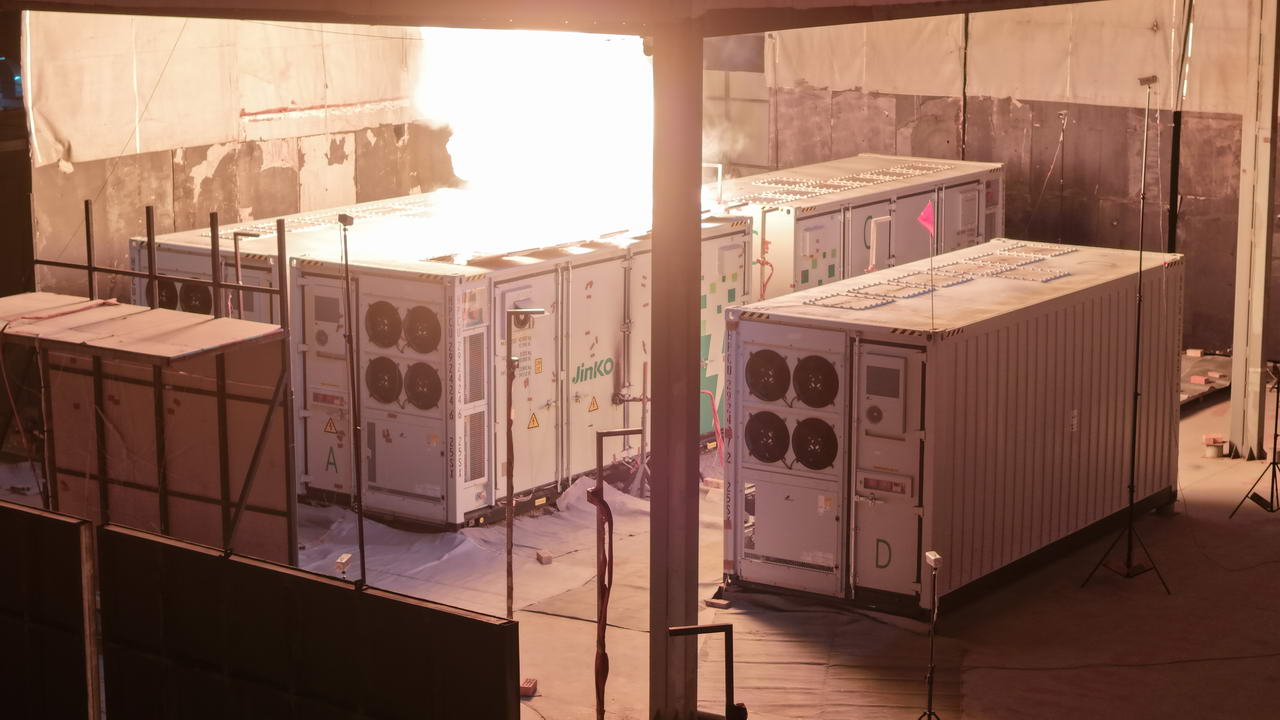
Jinko ESS, a subsidiary of JinkoSolar, said it has completed a large-scale fire test on its SunTera G2 5 MWh liquid-cooled battery energy storage system, with the exercise conducted under CSA C800 and the November 2025 draft of UL 9540A and witnessed on site by CSA Group representatives and North American fire protection engineers.
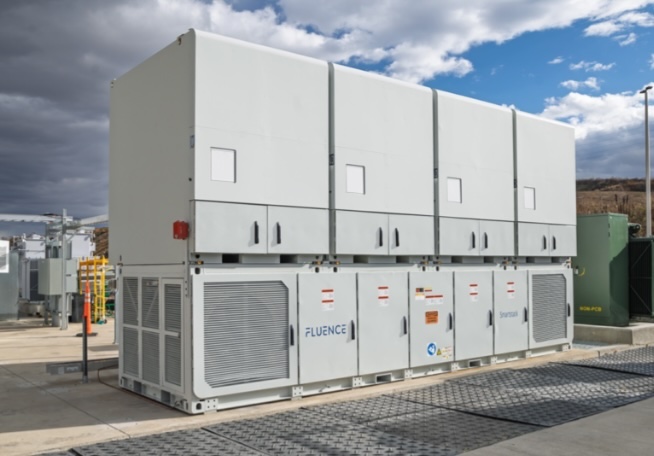
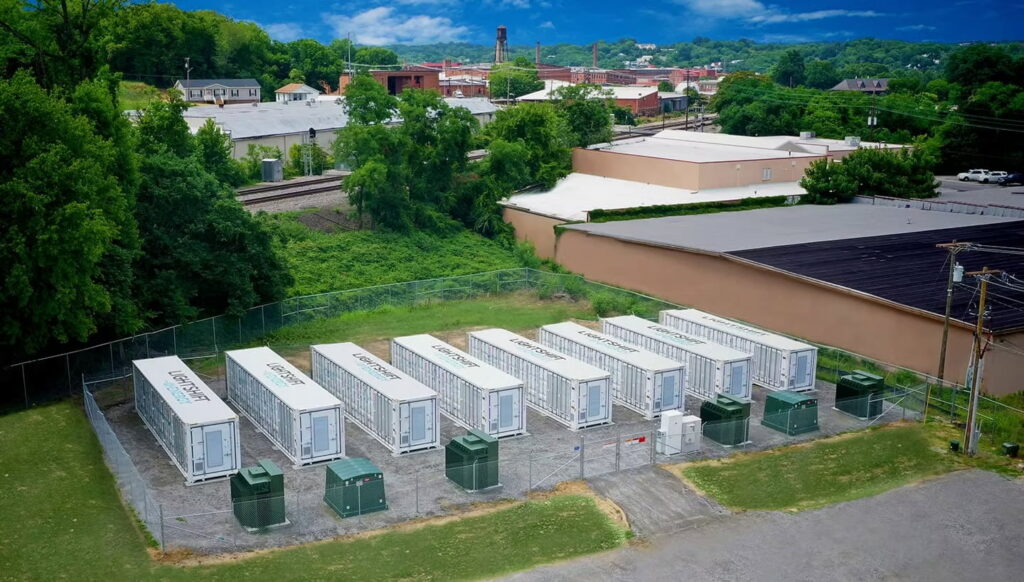
According to company and industry disclosures, the test took place at a specialist facility in Suzhou, Anhui province, using four 20-foot SunTera units arranged to simulate real project deployment. The initiating unit, designated A, was forced into ignition, while adjacent units were positioned at different clearances: 15 cm in a back-to-back layout for B, 1 m side-by-side for C, and 3.5 m face-to-face for D. All four units were charged to 100% state of charge, with active fire suppression physically disabled and no manual intervention during the burn.
Jinko said forced heating on cabinet A began at 17:00 on Feb. 10, and after roughly 70 minutes the cells in the initiating enclosure ignited. The fire then burned until about 07:50 on Feb. 11, for a total duration of about 13 hours and 40 minutes. During the event, the initiating enclosure reached a peak internal temperature of 1,296°C, while internal cell temperatures in the adjacent units remained far below thermal-runaway thresholds: 51.3°C in B, 38.3°C in C, and 41.2°C in D, according to figures cited by Jinko.
Todd LaBerge of ATAR FIRE, who witnessed the test, said the system’s design follows deflagration protection principles aligned with NFPA 68 and NFPA 69, and that with enclosure doors kept closed and venting mechanisms engaged, the fire remained contained within the originating enclosure. Jinko said post-test inspection found the initiating cabinet structurally intact, while the adjacent three units retained normal electrical and charging/discharging functions.
The tested product, SunTera G2, is Jinko’s utility-scale liquid-cooled BESS platform built around 314 Ah LFP cells. Public product information describes the system as offering over 5 MWh of energy in a 20-foot container, with IP55 protection and C5 anti-corrosion capability, and says it delivers about 50% higher energy density than Jinko’s earlier 3.44 MWh generation.
The significance of the burn test lies more in permitting and deployment economics. Jinko says the results can help provide quantified spacing guidance for high-density installations, while Patrick Rimel, the company’s North America product manager, argued that large-scale fire test data can support AHJ reviews, insurer risk assessments and project approvals as regulatory frameworks move toward performance-based safety evaluation.
For the storage sector, the result adds to a growing body of evidence that developers, insurers and regulators increasingly want from containerized BESS: not only compliance with component-level standards, but installation-level proof that thermal runaway can be confined to a single enclosure under extreme conditions.
Since 2025, large-scale fire and thermal propagation testing has become a key safety benchmark in the global battery storage sector. Leading players Sungrow, Hithium and Trina Storage released standard-compliant test results in 2025-2026, marking the industry’s shift from paper compliance to installation-level extreme-condition safety validation.
Written by