France moves to tie solar subsidies to storage as negative prices surge

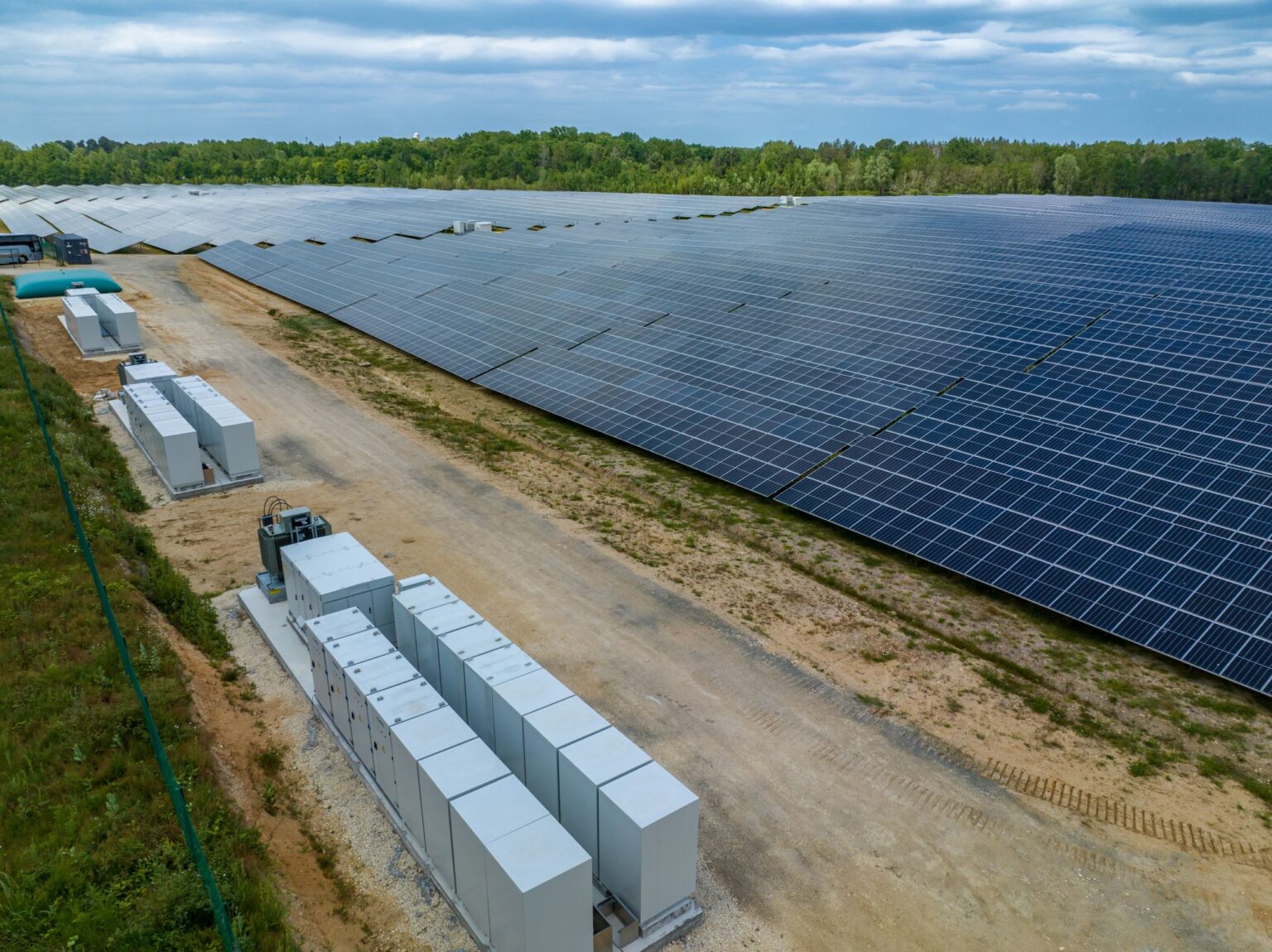
The French Energy Regulatory Commission (CRE) is proposing changes to the rules governing support for large-scale photovoltaic installations, with the aim of encouraging the development of projects combining solar generation and energy storage. The proposed adjustments, which apply to installations above 100 kWp, form part of a broader effort to improve the efficiency of public spending and better align the renewable energy sector with the needs of the electricity system. They have been submitted to the Lévy–Tuot task force, which is currently reviewing these issues.
In a context marked by a growing number of hours with negative prices and increasing “cannibalization” of photovoltaics – i.e. the decline in the value of solar output due to its rising share in the energy mix – the CRE had already issued initial recommendations in July 2025. These included calls to revise the premium mechanism in periods of negative prices and to rebalance risk-sharing between the government and producers.
Rising negative prices
These trends have since intensified. In 2025, 513 hours of negative prices were recorded, compared with 352 in 2024. According to RTE, these episodes resulted in the loss of 1.6 TWh of solar generation – nearly 20% of the output from installations receiving feed-in tariffs. At the same time, the market value captured by non-dispatchable photovoltaic systems was 32% lower than that of production limited to hours with non-negative prices.
These losses are largely compensated by the government, increasing pressure on public energy charges (CSPE), particularly as nearly 10 GW of additional solar capacity is expected to come online by 2029.
Storage as a key lever
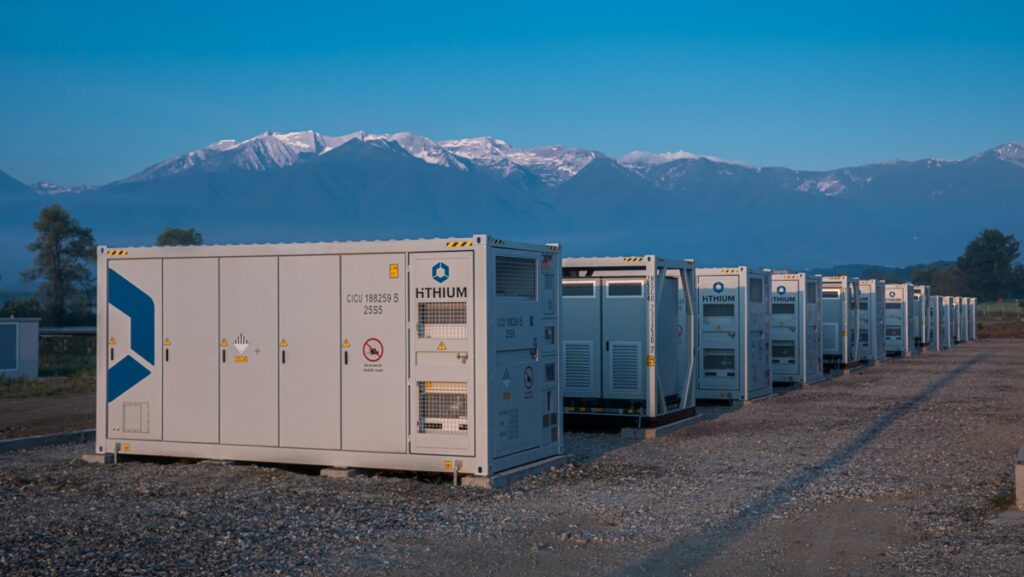
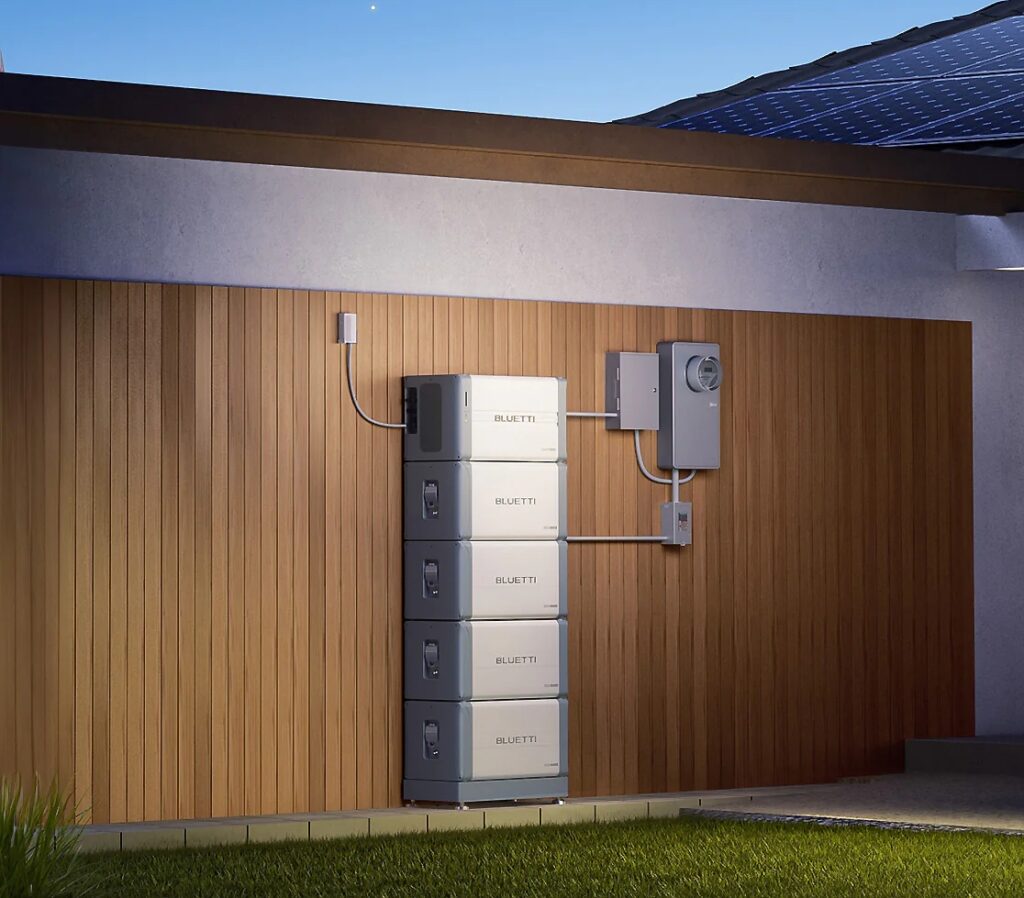
For the CRE, the development of flexibility solutions – particularly battery storage – is a central response. Storage can smooth generation, reduce price volatility, and increase the value of solar electricity by shifting output to periods of higher demand. This trend is already underway, with around 1.5 GW of batteries installed in France by the end of 2025. At the same time, demand-side measures – such as the introduction of daytime off-peak tariffs – are expected to improve the balance between supply and consumption.
Against this backdrop, the regulator is proposing to pilot a new support scheme specifically designed for “PV + storage” projects. The objective is twofold: to limit public exposure to declining solar revenues while providing producers with more appropriate economic incentives.
Incentivizing storage deployment
Among the key proposed changes is a revision of the reference price methodology. Instead of being weighted according to the photovoltaic production profile, the reference price would be calculated as a simple average of market prices. This would shift part of the price risk to producers and encourage them to optimize output – particularly through the use of storage.
In periods of negative prices, the CRE also proposes making the payment of the negative price premium conditional on the hybrid system not injecting electricity into the grid, rather than on the PV installation ceasing production. This would give operators greater flexibility in how they charge their batteries – either using on-site solar generation or drawing electricity from the grid – based on market signals such as the depth of negative prices and the variable component of network tariffs (TURPE).
In addition, the regulator proposes granting supplementary compensation for photovoltaic output that is shifted to periods of negative pricing. This would encourage operators to reduce curtailment and maximize the share of “useful” low-carbon electricity delivered to the system.
Pilot phase in tenders
Initially, the reform would be tested within existing tenders for large-scale solar projects. Standalone and hybrid PV installations would compete under the new framework, with only limited adjustments to price caps – on the order of €10/MWh – in order to contain budgetary risk.
From pv magazine France
Written by





Popular Posts