Germany adds 6.57 GWh of battery storage capacity in 2025, total capacity hits 24 GWh
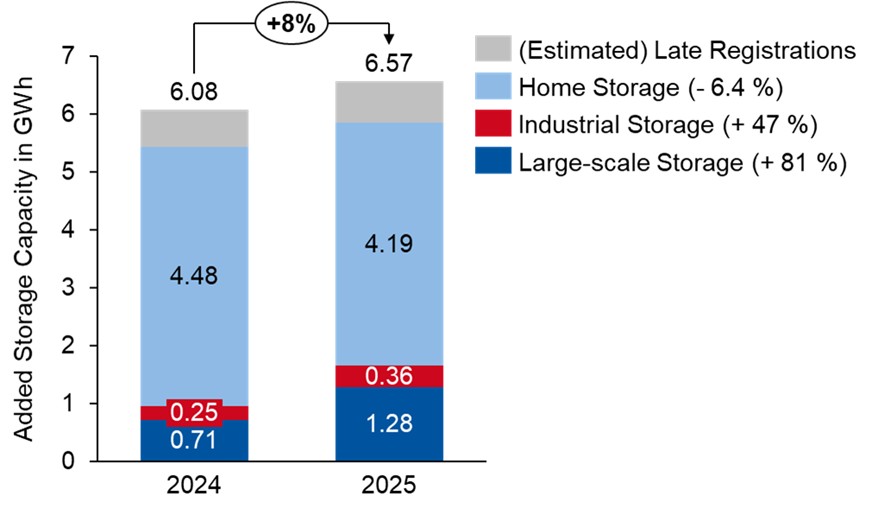
In 2025, around 530,000 new battery storage systems with a combined capacity of approximately 5.84 GWh have been commissioned and registered in Germany to date. Assuming late registrations across the various segments are proportionally in line with the previous year, the total added capacity is expected to rise to 6.57 GWh. This represents an increase of around 500 MWh, or 8 %, compared with 2024. After a decline in 2024, the battery storage market is therefore returning to growth.
A comparison of battery storage systems registered and commissioned in 2024 (excluding late registrations) with the latest figures for 2025 shows divergent trends across market segments. While expansion in the home storage segment has declined compared with the same period last year, the industrial storage segment continues to grow steadily, and the large-scale storage segment is experiencing dynamic growth.
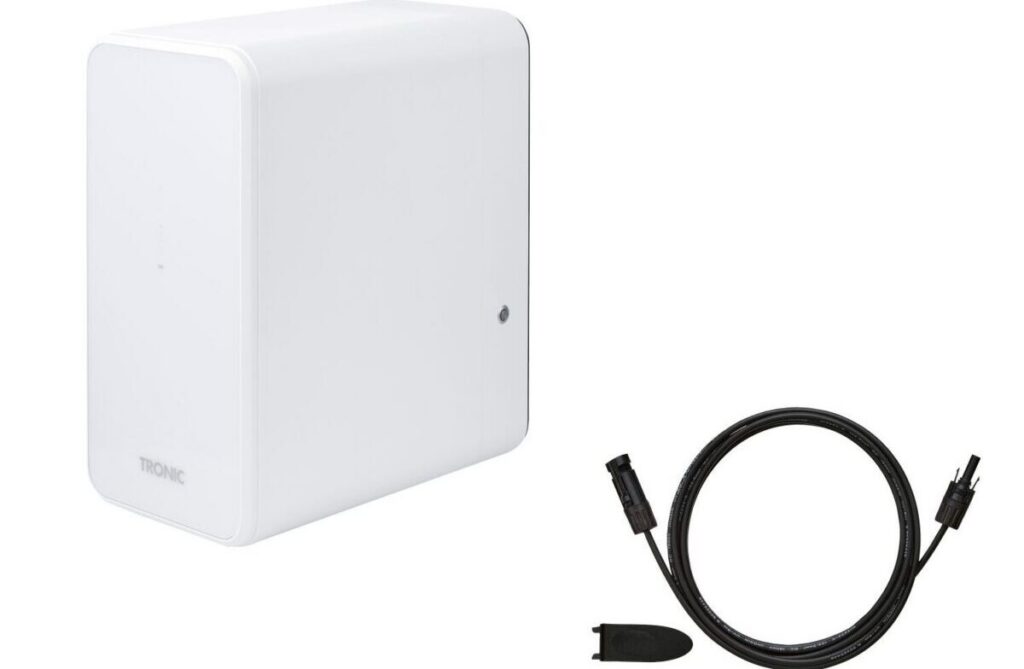
The home storage segment recorded an expansion of 4.19 GWh in 2025, representing a decline of 6.4% compared with the previous year. This development can be partly attributed to a 25% drop in newly installed rooftop photovoltaic systems. Around 366,000 home storage systems with capacities above 1 kW were installed in 2025 – 20% fewer than in the previous year.
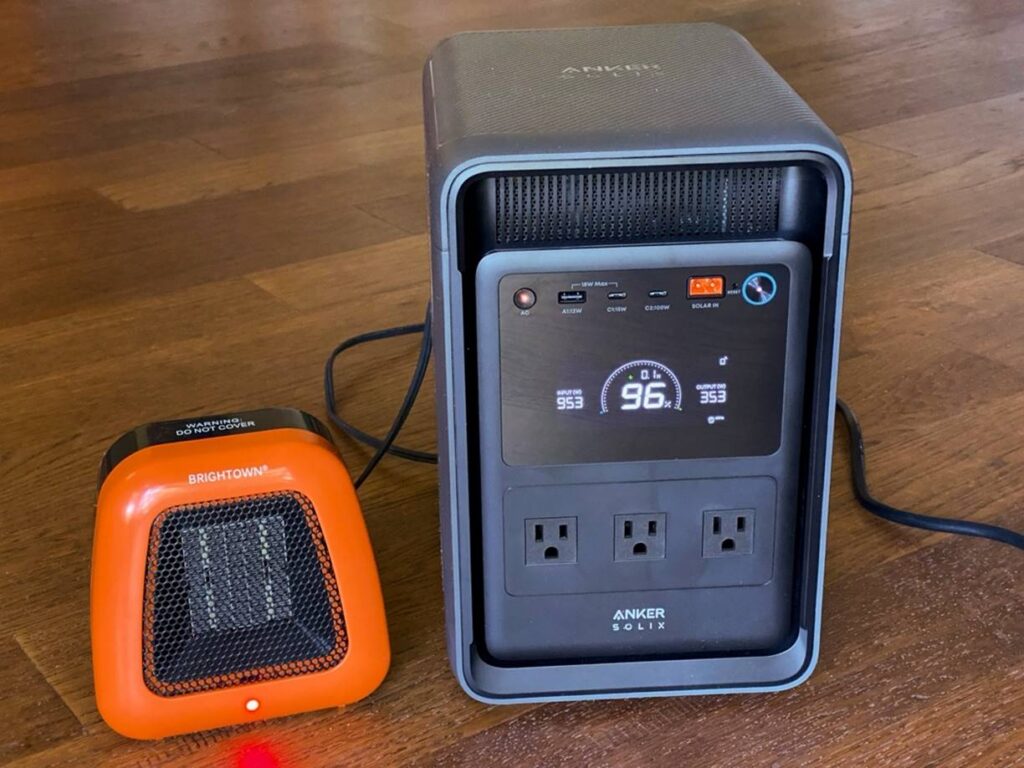
At the same time, the average storage capacity per system increased by 8% to 10.3 kWh, limiting the overall decline of the segment to 6.4%. In addition, installations of micro storage systems with capacities below 1 kW rose by 167%, primarily in combination with balcony power plants. Despite falling installation numbers, home storage systems still account for around three-quarters of the total increase in newly installed battery storage capacity.
Growth in the industrial storage market increased by around 47% in 2025 compared with 2024, reaching 0.36 GWh. A total of 5,877 industrial storage systems were registered, highlighting a growing trend among companies toward local energy generation, often in combination with photovoltaic systems.
The average storage capacity is 62 kWh, with an average output of 29 kW, indicating that most systems are designed as two-hour storage solutions. The majority of industrial storage systems remain in the capacity class below 100 kWh, while the segment between 100 and 1,000 kWh continues to be relatively small. The primary use cases for industrial storage systems are increasing on-site solar self-consumption and smoothing power peaks to reduce grid fees – applications that also extend to charging electric vehicles.
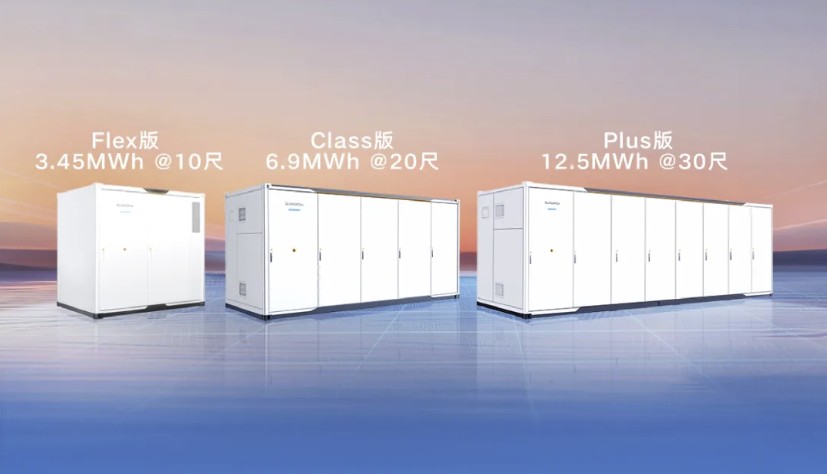
The change in the large-scale storage market has been particularly strong, with growth increasing by 81 %. Here, 1.28 gigawatt hours have been added and registered to date. This means that the first of the numerous announcements made by large-scale storage project developers are gradually being realized. The average capacity is 12.8 megawatt hours and the average output is 6.36 megawatts, which means that most storage facilities today are designed as 2-hour systems. Revenue is generated primarily on the electricity exchange and in balancing power, although the latter market is already saturated.
The large-scale storage market has experienced particularly strong momentum, with growth rising by 81%. To date, 1.28 GWh of large-scale battery storage capacity have been added and registered. This indicates that the first projects from the numerous announcements made by large-scale storage developers are now gradually being realized.
The average system capacity is 12.8 MWh, with an average output of 6.36 MW, meaning that most facilities are designed as two-hour storage systems. Revenues are generated primarily through trading on the electricity exchange and participation in balancing power markets, although the latter is already largely saturated.
Looking ahead, nearly 9 GWh of large-scale storage capacity has already been pre-registered in the market master data register. As pre-registration is voluntary, this figure does not provide a complete picture. Transmission system operators have received grid connection applications totaling several times this amount, but only a fraction is likely to be realized due to long approval timelines and the early planning stage of many projects. According to reports by the BDEW cited in pv magazine, grid operators have already approved 78 GW of large-scale storage capacity.
Regardless of these uncertainties, the large-scale storage market is expected to grow significantly in the coming years, driven by low battery prices and currently attractive revenue opportunities.
Dynamics in the market for electric vehicles and charging infrastructure
In addition to the approximately 24 GWh of batteries installed in stationary storage systems, an estimated 138 to 154 GWh of battery capacity is embedded in electric passenger vehicles in Germany, depending on the methodology used. Despite the absence of subsidies, the market for purely battery-electric passenger cars in particular remains dynamic.
Between October 2024 and October 2025, around 340,000 battery-electric vehicles were newly registered, compared with only about 130,000 plug-in hybrid vehicles over the same period. As a result, growth in the battery-electric passenger car segment increased by roughly 22% year on year.
Fuel cell passenger cars, by contrast, continue to be a declining niche technology. The number of registered vehicles fell by 409, leaving fewer than 1,600 fuel cell passenger cars on German roads.
Momentum is also evident in the integration of electric vehicles into the power system. Grid-oriented charging solutions – such as dynamic electricity pricing and active control of charging processes- are being adopted more widely. As a result, theoretical flexible charging capacity in the double-digit gigawatt range is already available. Bidirectional charging, which allows electric vehicles to feed electricity back into the grid during periods of scarcity, is also gaining traction following recent regulatory changes. France and the United Kingdom are already demonstrating how such concepts can be successfully implemented.
Discuss the integration of electric vehicles into the energy system with leading European experts at the Vehicle-to-Grid Conference on April 15–16 in Münster, and gain insights into current trends and future developments.
Battery Charts with a new design
The Battery Charts website has long been a key source of data on installation figures in the German battery market. The site has now been redesigned and its functionality expanded.
In addition to the previous installation data for stationary storage systems, the platform now also includes the ISEA Battery Revenue Index, installation figures for electric vehicles, and -coming soon – electricity market prices. Detailed operational insights from the large-scale research storage facility “M5BAT,” operated by the institute for many years, are also presented.
The redesigned website thus offers a unified data platform, bringing together existing and all relevant content related to battery storage in one place.
About the authors:
Jonas Brucksch is a research assistant at the Chair of Electrochemical Energy Conversion and Storage Systems at ISEA at RWTH Aachen University. He is one of the operators of Battery Charts. Email: jonas.brucksch@isea.rwth-aachen.de & battery-charts@isea.rwth-aachen.de LinkedIn: https://www.linkedin.com/in/jonasbrucksch/
Jan Figgener founded Battery Charts during his doctoral studies at ISEA at RWTH Aachen University. Today, he works in the battery storage industry. In his spare time, he also works on publications such as this one on battery storage and electric vehicles in cooperation with ISEA as a visiting scientist. LinkedIn: https://www.linkedin.com/in/janfiggener/
Christopher Hecht is Senior Energy Trader – Storage and Flexibility at Terra One and is active in the marketing of large-scale battery storage systems. In his previous positions at The Mobility House, RWTH Aachen University, and Smartlab Innovationsgesellschaft, he focused on the interaction of electric vehicles with the electricity market and grid, for which he was awarded the Borchers Plaque, among other honors: https://www.linkedin.com/in/christopher–hecht/
Dirk Uwe Sauer heads the Chair of Electrochemical Energy Conversion and Storage Systems at ISEA at RWTH Aachen University and has been active in the field of batteries and energy systems for 30 years. Together with a team of 70 employees, he covers topics ranging from electrochemical processes in a battery cell to the analysis of entire energy systems. Email: DirkUwe.Sauer@isea.rwth-aachen.de
Written by





Popular Posts