German pilot shows 700 EVs can provide redispatch services

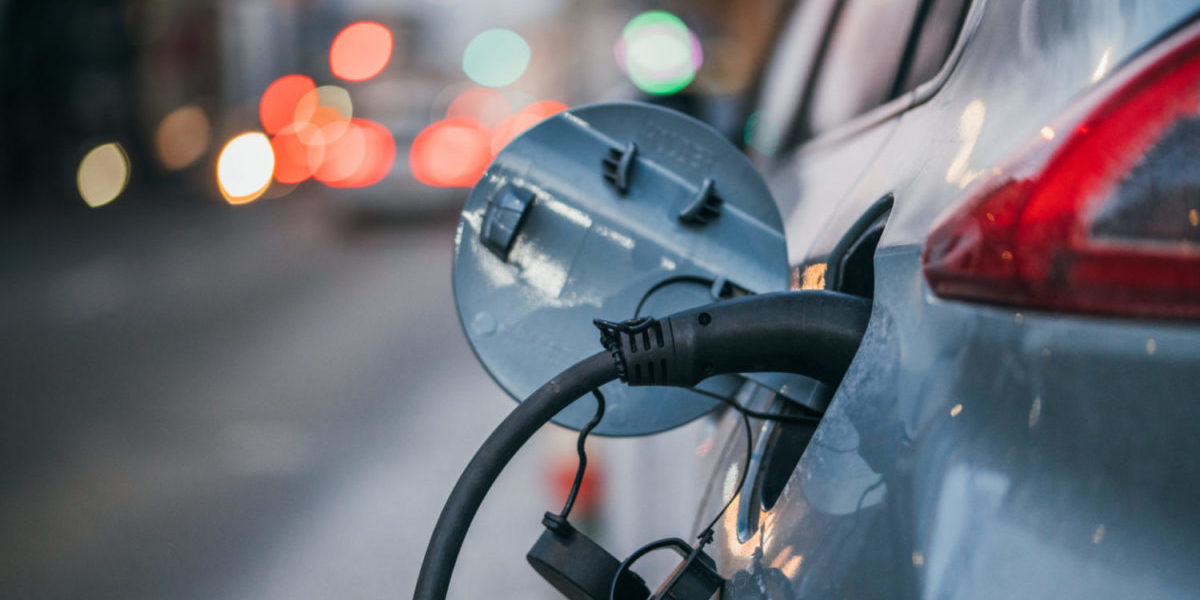
One of Germany’s grid operators, TransnetBW, and energy company Octopus Energy say a pilot project has demonstrated that electric vehicles from private households can be integrated into grid redispatch operations. Around 700 vehicles provided flexibility in managing network congestion.
The “OctoFlexBW” project focused on building a complete, compliant process chain – from dispatch signals issued by the system operator to controllable household charging units, including accounting and settlement. It linked TransnetBW’s DA/RE data exchange and redispatch platform with Octopus Energy’s Krakenflex aggregation system.
When congestion was forecast, TransnetBW generated dispatch signals and transmitted them via standardized interfaces to the aggregator. These were converted into control commands for EV charging points, allowing charging sessions to be shifted or reduced to relieve the grid.
The partners say all required process steps were fully implemented, tested, and automated. These include planning data on flexibility availability, communication aligned with Germany’s Redispatch 2.0 framework, and accurate accounting of delivered load shifts.
With around 700 vehicles, the project achieved a daily dispatch volume of about 2 MWh. Scaled up, the results suggest significant potential: a fleet of one million EVs could provide several gigawatt-hours of flexibility per day and cover a meaningful share of current redispatch demand.
Participants set only a target state of charge by a given time, such as a full battery by morning. Within that constraint, the aggregator optimized charging based on electricity prices and grid conditions. The partners report no noticeable impact on user comfort, while households benefited from lower tariffs.
Based on the findings, the companies call for an evolution of redispatch rules toward a more market-based model. A proposed “Redispatch 3.0” framework would allow aggregators to offer flexibility directly via price signals, although this would require regulatory changes and further grid digitalization, including wider deployment of smart meters.
The project also highlights the growing role of flexible demand as transport and heating electrify. Alongside EVs, heat pumps, home batteries, and other distributed loads could contribute to congestion management, potentially reducing redispatch costs and reliance on fossil-fuel power plants.
Following completion of OctoFlexBW, the partners are preparing a follow-up project, “DataFleX,” to integrate additional vehicles and technologies and scale the model. They are also assessing whether the approach can be extended to other grid levels and European markets.
Written by






Popular Posts