A closer look at EcoFlow’s three-phase Ocean 2 storage solution

EcoFlow’s new residential-focused energy storage series is the Ocean 2, which offers useful and measurable improvements over the previous series for interested homeowners and installers.
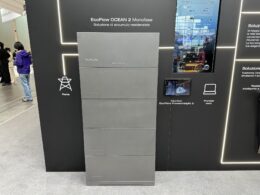
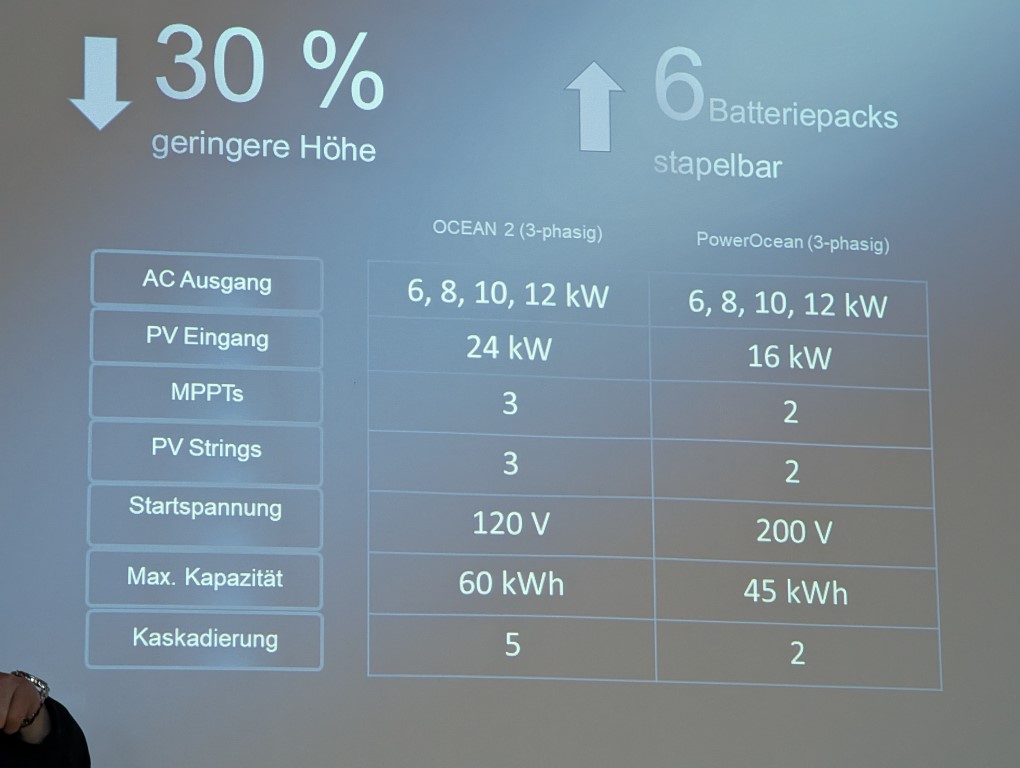
On display in Berlin at an event for media and installers, the three-phase Ocean 2 was on display and discussed via a technical presentation by EcoFlow’s Technical Sales Specialist Kevin Benedict, who detailed the system and the improvements compared with the previous PowerOcean and PowerOcean plus residential storage options.
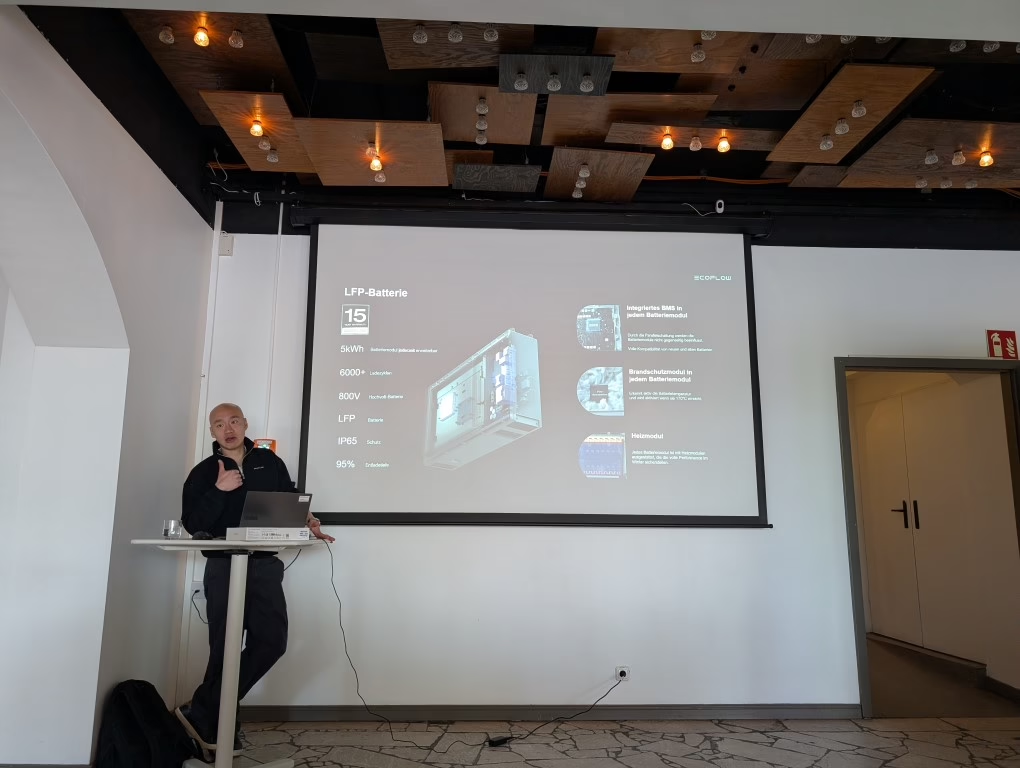
For the avoidance of any doubt, Ocean 2 remains an installer-only product, given it is a three-phase and heavy-duty option for households, though EcoFlow sells a range of batteries and systems directly to consumers.
In terms of pricing, the products themselves have trade and wholesale prices. Therefore, for a system install, quotes depend on the location, existing and required wiring and switchboards, along with options of a tie-in with an existing or new PV system. The use of Ocean 2 as a standalone battery and tapping into dynamic tariffs is also an option. Quotes between installers can differ significantly as well, with more established installers often quoting higher prices than smaller installers while offering more support and servicing for installed systems.
Many elements of the three-phase Ocean 2 match the single-phase version of Ocean 2 launched at Key Remini in Italy in March.
Ocean 2: Three-phase refined
The Ocean 2 is now an all-in-one hybrid inverter, with four AC output options of 6, 8, 10, and 12 kW, handling up to 12, 16, 20, and 24 kW of solar PV input, respectively. The inverter has three MPPTs, with a newly lowered start-up voltage of 120 V, and an operating range of 50-1000 V, while each MPPT can handle 12 kW of input power, 16 A input current per MPPT, and a voltage range at rated power of 500-850 W. Each Ocean 2 can handle up to 60 kWh of storage via as many as 12 batteries, and 63 A per phase.
The Ocean 2 three-phase inverter weighs approx. 36.5 kg and is IP 66 rated, up from IP65 from the last edition, and comes with a 15-year warranty. Communication options include RS485, CAN, Wi-Fi, Bluetooth, WAN and 4G connectivity, and it has a wide range of compliance certifications. In addition, as many as five inverters can be cascaded for very large households when on-grid, with two the maximum for off-grid operation. Ocean 2 is compatible with a wide-range of smart home connectivity options including Matter, and can utilize dynamic tariffs and manage storage based on expected weather as part of EcoFlow’s HEMS.
Storage is modular, and each LiFePO4-based battery branded EcoFlow Ocean 2 LFP Battery 5 kWh accordingly has 5 kWh of storage and can deliver 3.4 kW of peak output, each weighing 46 kg. Each has a 15-year warranty and is rated for 10,000 cycles, up from the previous 6,000 cycles.
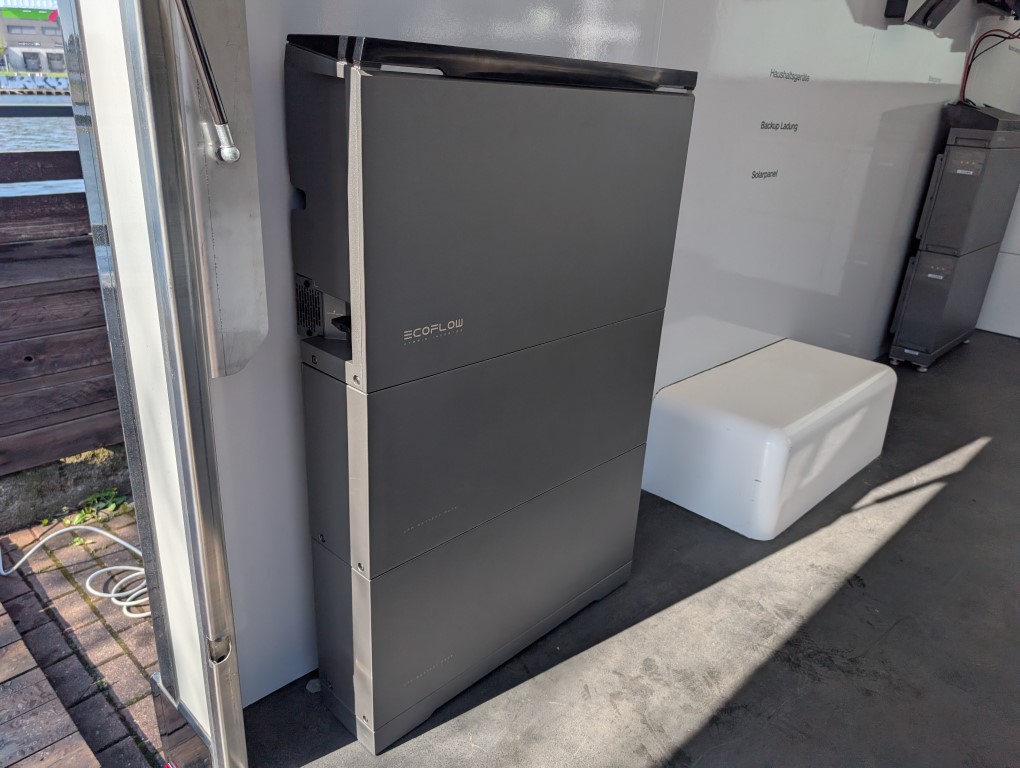
The result is emblematic of progress in the battery sector: from 2023 to 2026, each 5 kWh battery is now 9kg lighter than the previous PowerOcean Plus, some 10 cm more compact, and IP66 rated while still being air cooled, with built-in heating elements to handle temperatures as low as -20°C and up to 55°C, with derating from 40°C.
Installer topics and questions
Installers at the event questioned EcoFlow reps on backwards compability with PowerOcean, anddespite differences in build, PowerOcean Plus battery modules are compatible with Ocean 2, or vice-versa, for those needing to swap battery modules for some reason. Installers also asked about bidirectional charging via the grid for on-grid dynamic tariffs.
Given the potential size of an Ocean 2 system, questions were also asked about applications for the C&I sector and future developments from EcoFlow in this area as it continues to scale its ambitions.
Ocean 2 vs PowerOcean
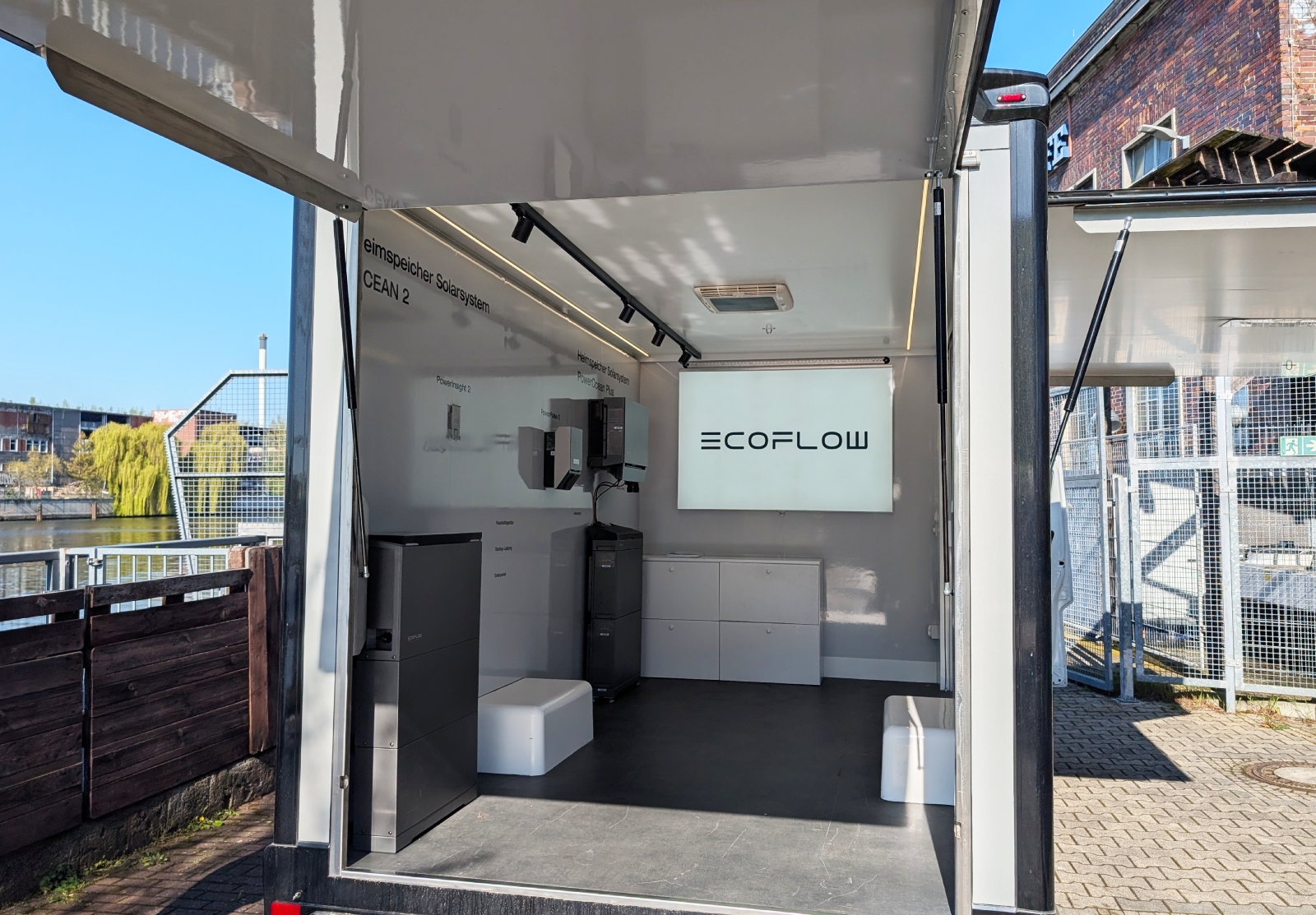
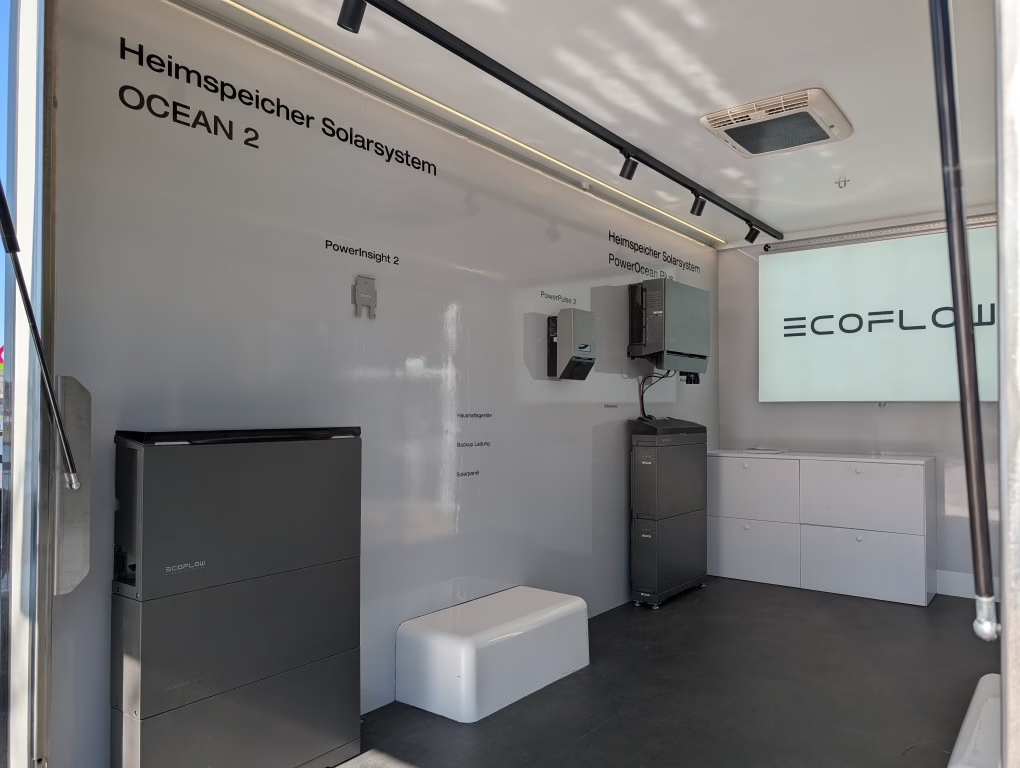
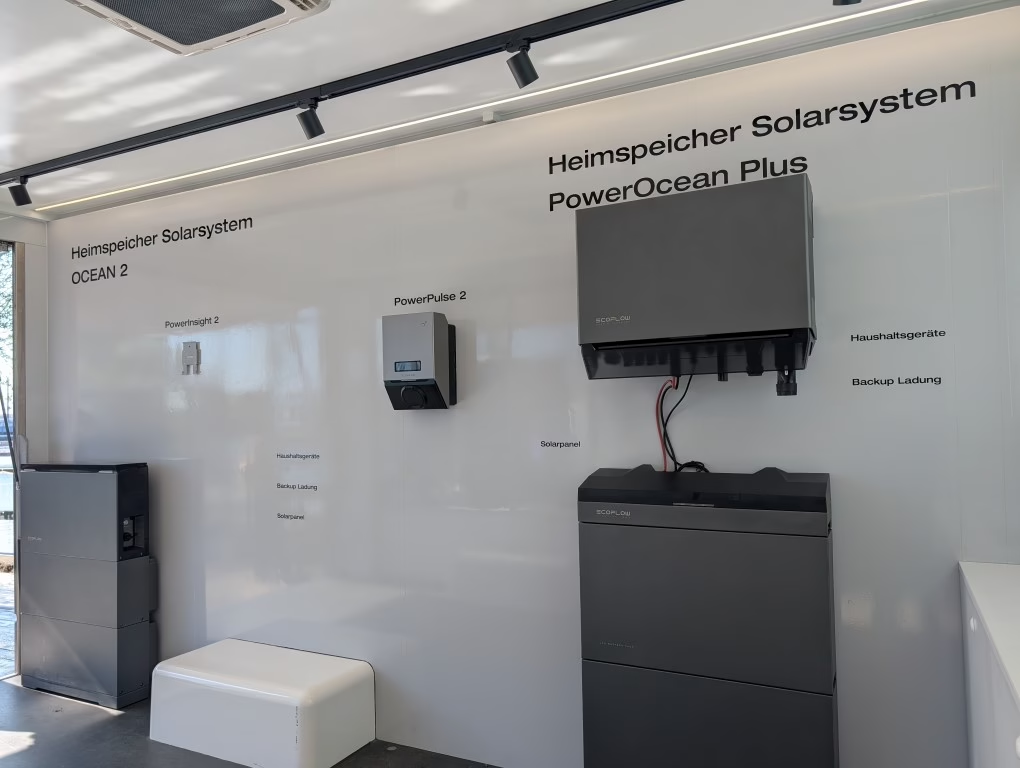
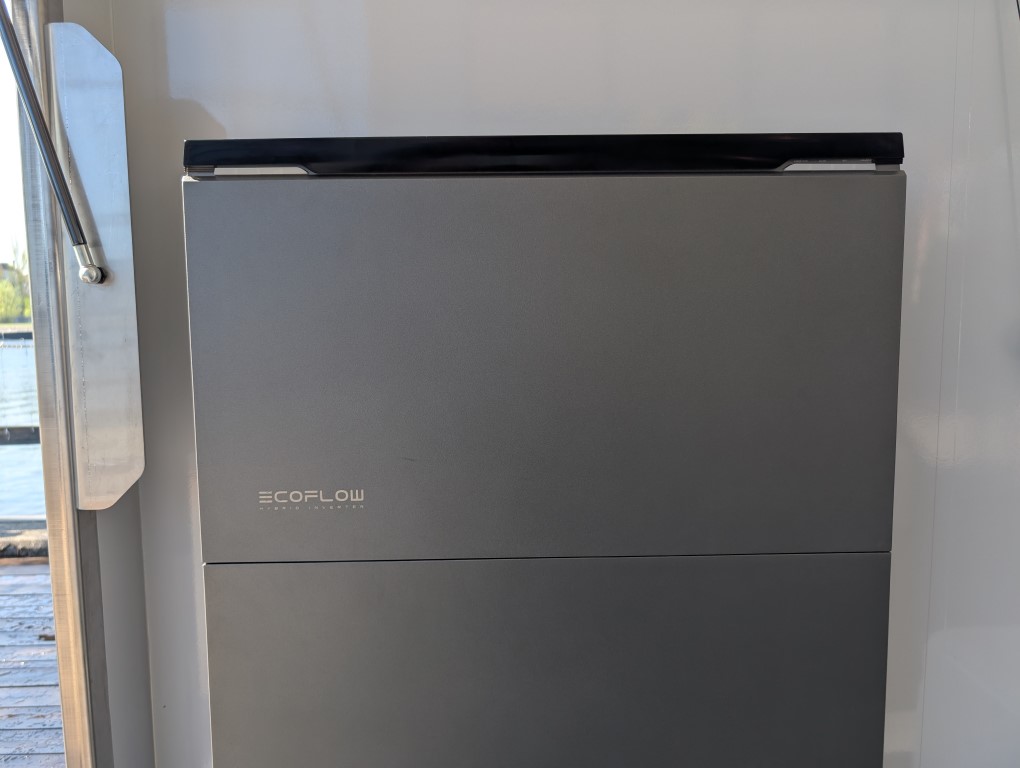
In the two photos below, Ocean 2 very clearly shows the pace of progress in the battery industry. Whereas the previous model had a separate inverter, Ocean 2 is a modular system with batteries able to be stacked with it, rather than separately:
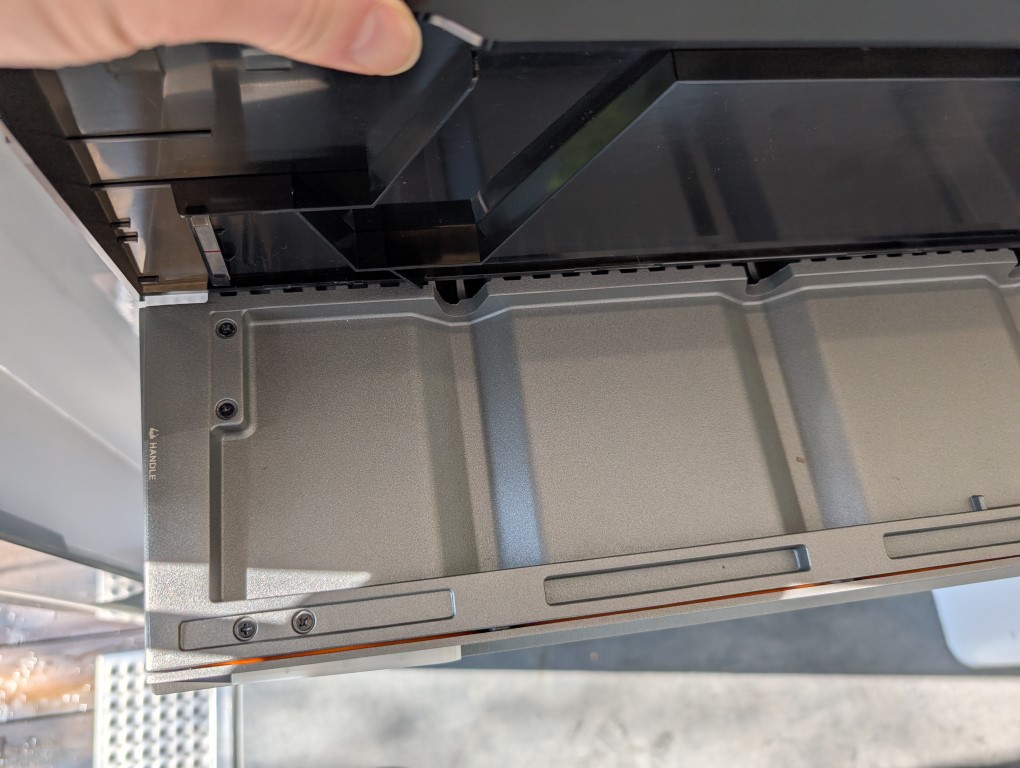
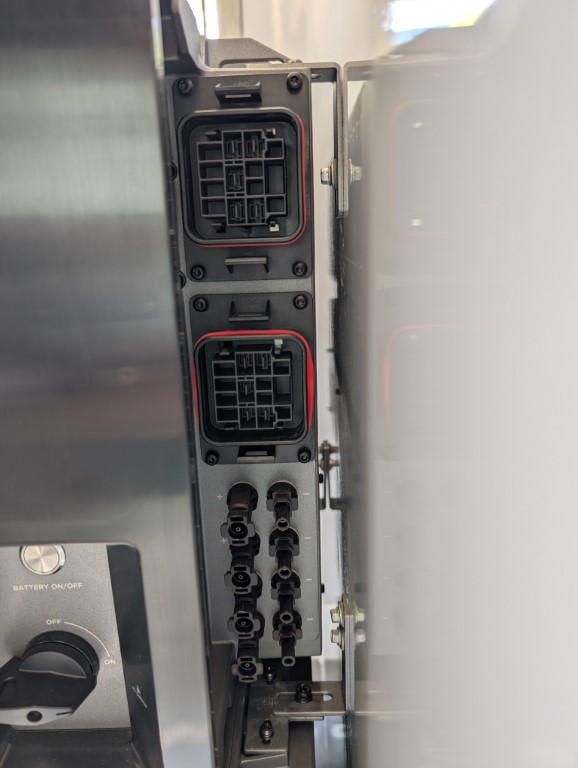
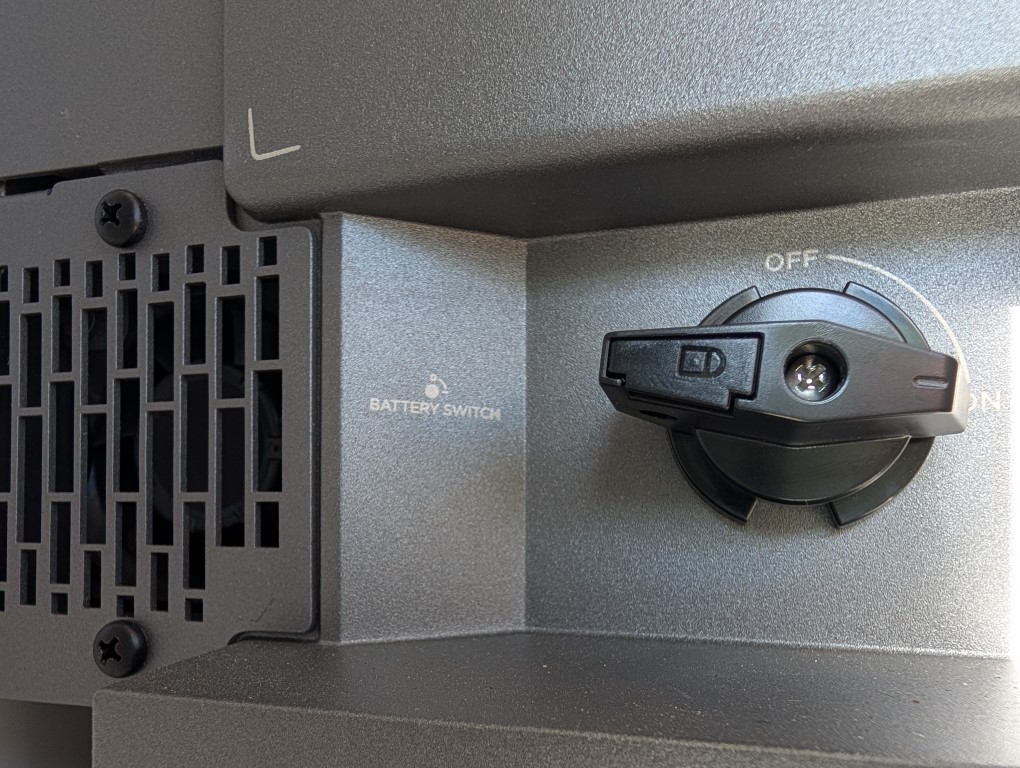
Further photos:
Written by



Popular Posts