Successful test of grid frequency stabilization with German battery storage

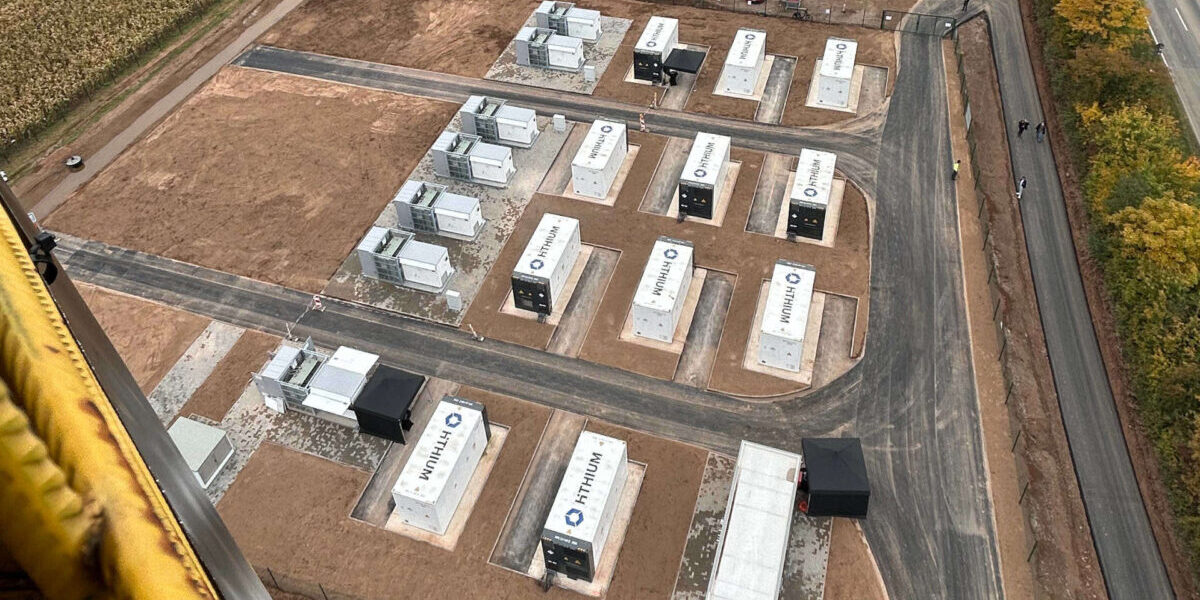
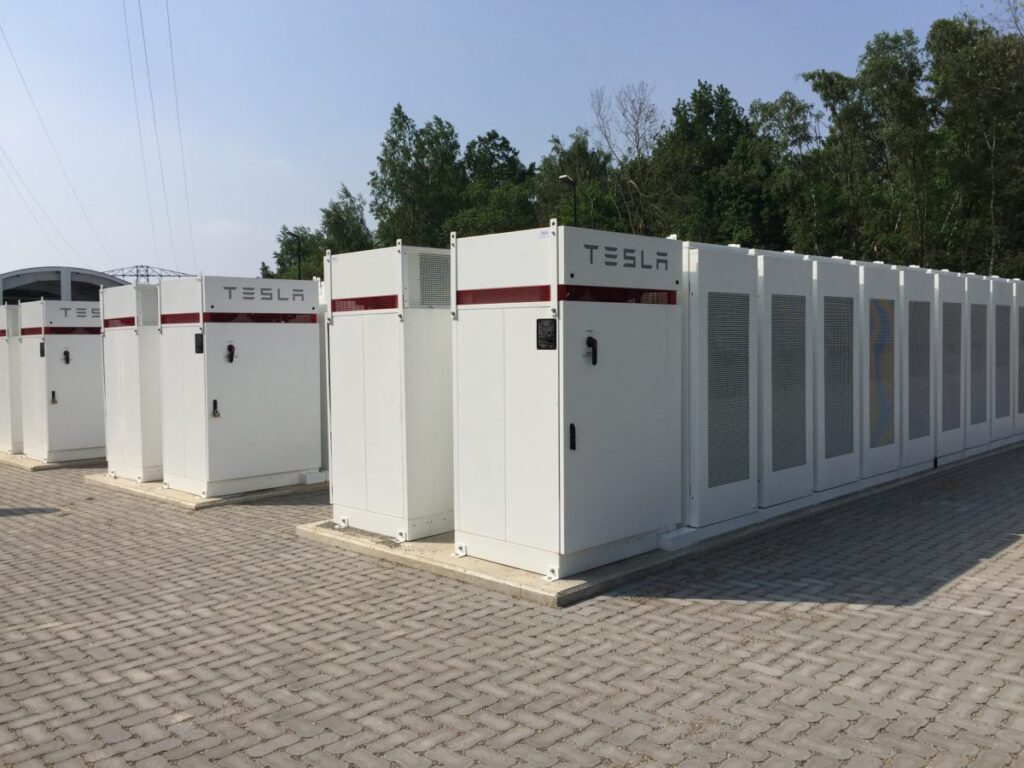
Westnetz, one of the largest distribution system operators (DSO) for electricity in Germany, has completed the first successful test involving the 21 MW / 55 MWh large-scale battery energy storage system (BESS) from the “SUREVIVE” research project. The battery storage unit is designed to actively stabilize the power system, maintaining constant frequency and voltage even during fluctuations.
“The first test was successful. We were able to show that the plant in the medium-voltage grid, even in so-called grid-forming mode, reacts as we had calculated and expected,” said Ingo Liere-Netheler, project manager at Westnetz for digitalization, innovation, and technology. He noted that the plant contributed to stability in the distribution grid—a task that has traditionally been the responsibility of conventional power plants.
According to Westnetz, the results demonstrate that the plant reacted as intended even during demanding system events. It was particularly significant that the plant could provide a system service with an effect corresponding to the “inertia” (instantaneous reserve) typically provided by conventional power plants, thereby ensuring stable interconnected operation.
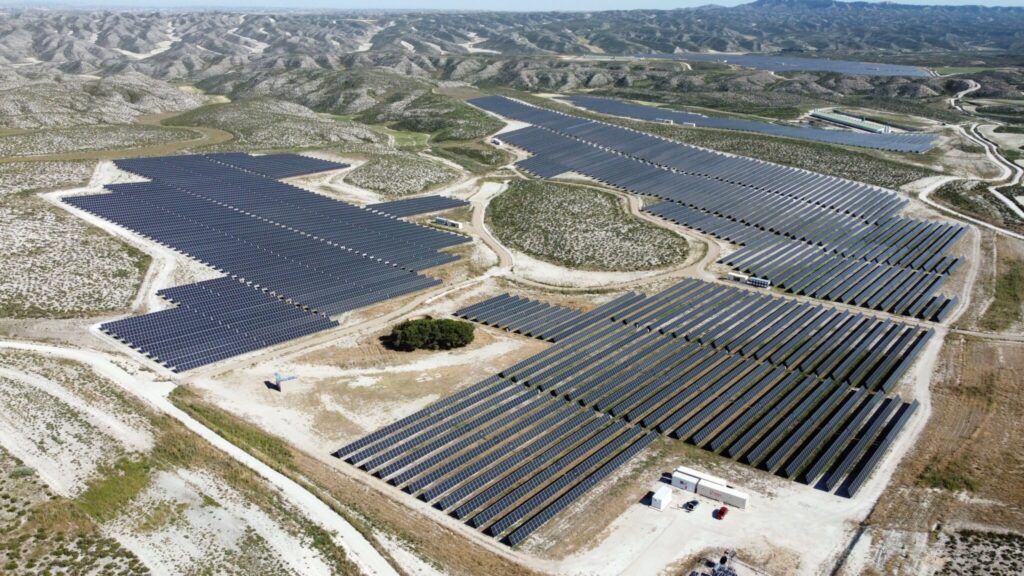
The “SUREVIVE” pilot project, located in Föhren, was developed under the direction of Schoenergie. The grid-forming capability of the 21 MW inverters as part of the storage unit is central to the project, utilizing a new control technology with grid-forming technology from SMA. A connected photovoltaic system is used to charge the battery, which is provided by Hithium.
The project’s goal is to test not just how storage relieves grid congestion, but how it keeps the power system itself stable by compensating for short-term fluctuations to maintain the grid frequency. Through this pilot, Westnetz intends to gather the practical experience necessary to increasingly deploy battery storage for these critical tasks. The field test followed extensive simulation and laboratory investigations.
“The field test is an important step because it shows that central system-stabilizing functions can be investigated and evaluated not only in simulation and the laboratory, but also under real-world grid conditions,” said Roland Singer, Group Leader for Converter-Based Grids at Fraunhofer ISE. “As the project continues, we will now examine and evaluate the voltage formation of the storage system in detail across various test scenarios to better understand how these results can be applied to future power system applications.”
From pv magazine Germany.
Written by
Comments