Mongolia tenders 110 MW of solar

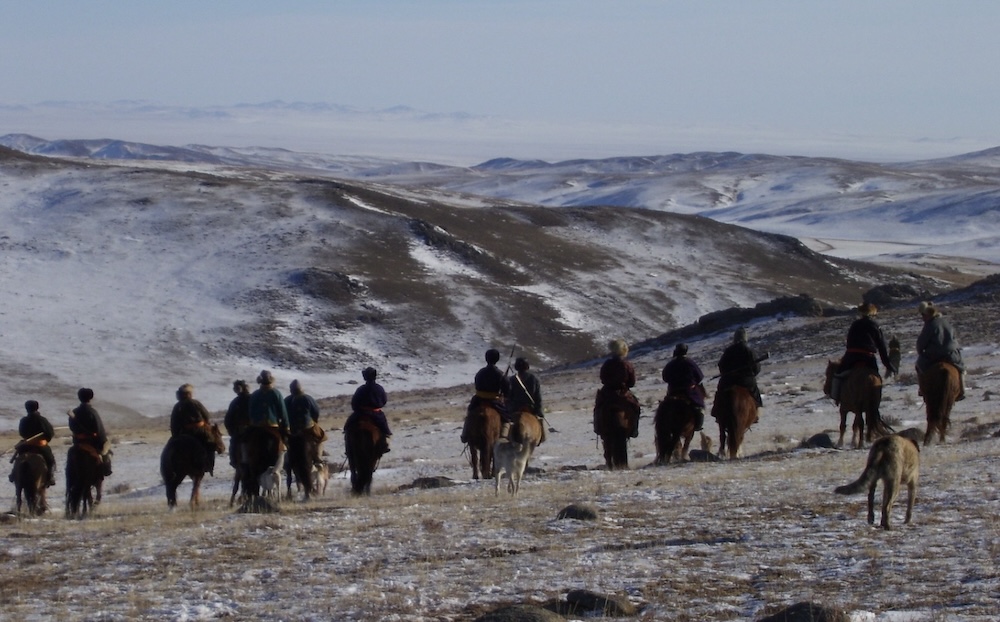
Mongolia’s Ministry of Energy has kicked off a tender for five solar-plus-storage projects.
The independent power producer (IPP) projects are set to have a combined solar capacity of 110 MW connected to 52 MW/188 MWh of battery energy storage systems (BESS).
The invite to tender splits the procurement exercise into five sites, three of which are located in Mongolia’s western region, with the remaining two situated in the country’s eastern region.
The government has identified and secured land for each auction site. The first site will encompass 10 MW of solar alongside a 10 MW/20 MWh BESS in the Bayankhongor province, while the second covers a 20 MW solar plus 10 MW/40 MWh BESS in the Bayan-Ulgii province, both to be built on 60 hectares of land. The third site encompasses a 40 MW solar plus 20 MW/80 MWh project in the Uvs province to be developed on 100 hectares of land.
The fourth site, located in the Sukhbaatar province, will host a 10 MW solar plus 2 MW/8 MWh BESS on 35 hectares of land while the fifth site, in the Dornod province, will be home to a 30 MW solar plus 10 MW/40 MWh BESS on 90 hectares of land.
Chosen developers will be responsible for the design, finance, construction, operation and maintenance of the solar-plus-storage facilities under an IPP structure. Each of the sites will be connected to existing grid substations.
The tender starts with an expression of interest stage, with developers eligible to apply for both the western and eastern lots. The ministry has said it reserves the right to procure through a single competitive auction covering all sites, or through separate competitive auctions for individual sites or groups of sites.
The deadline to submit expressions of interest is Aug. 16, with a request for proposals currently scheduled during the second half of the year.
Mongolia’s cumulative solar capacity stood at 129 MW by the end of 2025, according to figures published by the International Renewable Energy Agency (IRENA), a decrease on the 143 MW reported at the end of 2024.
More about
Written by
Comments


Popular Posts