EU approves 45 GW energy storage target in bid to reduce gas exposure

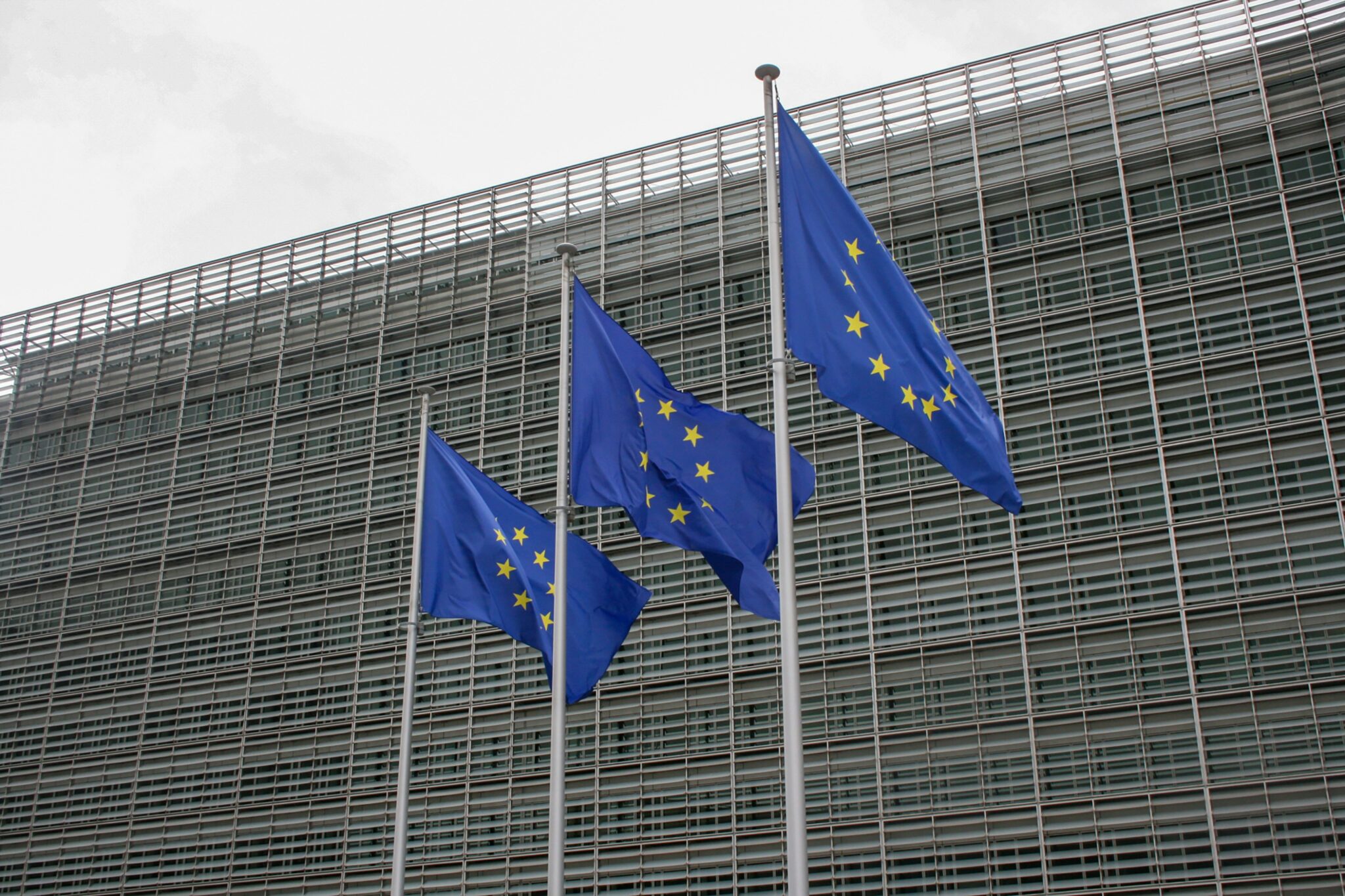
The European Council has signed off on a major energy storage agreement that commits EU member states to ramping up deployment by at least 20% against 2025 figures.
Billed as the first-ever tripartite agreement for energy storage, the deal commits member states to increase EU annual energy storage deployment from around 12 GW in 2025 to roughly 45 GW between 2026 and 2028. The European Commission expects pledges in the deal will result in between 30 GW and 35 GW of new storage capacity.
The agreement brings together the public sector, financial institutions, clean energy developers and industrial energy offtakers in a bid to create the kind of investment climate that both supports the energy transition and results in long-term economic growth for stakeholders. The EU-level tripartite agreement for energy storage notes that by 2030 the bloc will need around 200 GW of storage capacity in power output terms, up from around 55 GW recorded at the beginning of 2026.
The tripartite deal calls for energy storage to supply approximately 10% of peak demand by 2028, up from 5% in 2025, with the goal of reducing gas demand and making better use of renewable generation capacity.
Other major targets include increasing the volumes of power purchase agreements (PPAs) with storage assets from a reported 1.5 GW in 2026 to 4.5 GW in 2028; ramping up industrial thermal storage capacity in the commercial and industrial (C&I) sector from 0.5 GWh in 2026 to 1.5 GWh in 2028; growing the share of storage installations co-located with renewables in the C&I segment from 5% in 2026 to 20% in 2028; and expanding C&I segment battery capacity from 9 GWh in 2026 to 24 GWh in 2028.
Signatories to the deal include 22 EU member states, industrial consumers and renewables and energy storage developers. While member states are committed to producing “ambitious pledges” on national storage deployment for the period 2026 to 2028, the private sector signatories are expected to put forward “specific storage projects” that can be easily replicated.
More investment
Multinational investors such as the European Investment Bank (EIB) Group and European Bank for Reconstruction and Development are also tasked with ramping up support for the energy storage segment under the agreement.
EIB Group is reportedly assessing opportunities to strengthen its energy storage investments, including adapting a €500 million ($570 million) pilot program for corporate Power Purchase Agreements (cPPAs) to also cover storage solutions, including through flexible and hybrid PPAS.
Further EIB Group commitments include extending the €1.5 billion grids manufacturing package for the European supply chain to provide counter-guarantees to manufacturers of storage components, as well as supporting the development and manufacturing of storage technologies within the European Union – using equity, quasi-equity, and venture debt instruments.
EBRD is also expanding its support to energy storage investments and providing financing for projects over the 2026 to 2028 period and will offer EU member states advisory support for establishing regulatory frameworks for energy storage.
In addition to establishing a more robust project pipeline for 2026 to 2028, energy storage and renewable energy project developers are tasked with providing annual indicative numbers on new energy storage and hybrid projects and their volumes under the agreement.
Industrial offtakes are expected to improve visibility of electricity demand profile and long-term demand forecasts, as well as planned electrification and flexible energy consumption.
The European Commission is now expected to assist member states in designing efficient support schemes open to energy storage and ensuring “the swiftest possible” state aid approvals for relevant measures. Updates to the Requirement for Generators network code and the Demand Connection Code are expected, with the goal of supporting storage deployment.
Industry reaction
Energy Storage Europe welcomed the EU tripartite agreement, describing it as the most comprehensive political recognition of energy storage at EU level to date.
In a statement, Energy Storage Europe Secretary General Patrick Clerens said the agreement would give the sector and public authorities “a stronger base to drive implementation over the next two years.”
“For the first time, the European Commission, member states, financial institutions and industry are brought together around a common short-term agenda for storage deployment,” said Clerens.
“This matters, especially because energy storage became central to the strategic equation building the European strategic autonomy is presenting. Storage has moved well beyond a technical question or an add-on to renewables. It is strategic infrastructure: enabling the clean-energy transition, supporting the digital transition, strengthening industrial competitiveness and reducing Europe’s dependence on imported fossil fuels and external energy shocks. It is also an industrial opportunity for Europe.”
While welcoming the tripartite agreement, Clerens called for the European Union to go further by developing a coordinated strategy to better align regulatory, financial and industrial measures across the bloc to further speed up deployment.
“This should include targeted actions wherever flexibility becomes a strategic enabler, including the sustainable integration of data centers,” Clerens added.
Member states with national capacity pledges under the tripartite agreement are: Austria, Bulgaria, Croatia, Cyprus, Czech Republic, Denmark, Estonia, Finland, Greece, Germany, Hungary, Ireland, Italy, Latvia, Lithuania, Malta, Netherlands, Poland, Portugal, Romania, Slovakia, Spain.
More about
Written by



Popular Posts