Northern Italian lawmakers seek tighter BESS, agrivoltaic rules

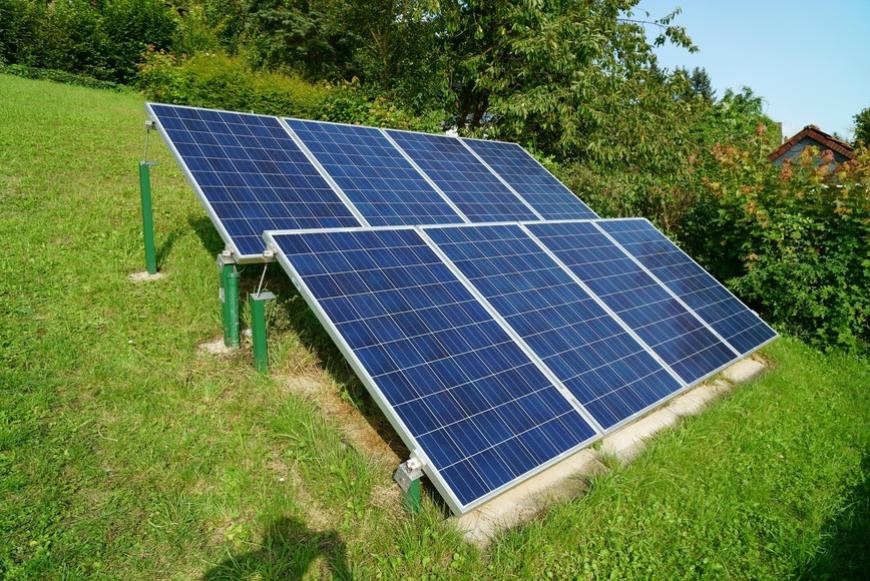
Italy’s Piedmont region has resumed work on its proposed renewable energy zoning law, with opposition parties calling for tighter rules on battery energy storage systems (BESS) and agrivoltaic projects.
Regional lawmakers have so far submitted 54 amendments to the draft legislation, with more expected, according to the regional council. The bill, which was approved by the regional executive in April, sets out criteria for identifying areas suitable for renewable energy development.
During a joint meeting of the Environment and Agriculture committees, Silvia Raiteri (Brothers of Italy) and Sergio Bartoli (Lista Cirio) were appointed rapporteurs for the governing majority, while Alice Ravinale (AVS), Fabio Isnardi (PD), and Alberto Unia (M5S) were named for the opposition.
Isnardi withdrew a separate bill that would have imposed stricter limits on agrivoltaic projects but, together with AVS lawmaker Giulia Marro, urged tighter controls within the current legislation. Their proposals focus on stricter siting requirements for BESS projects and clearer criteria for selecting crops to be cultivated beneath solar arrays.
Lawmakers also discussed installing renewable energy systems on commercial buildings, including rooftops and parking lots, as well as measures to protect UNESCO-listed landscapes.
The regional council has now resumed debate following a stakeholder consultation process launched in April. Regional Energy Councillor Matteo Marnati said the government would carefully review the amendments submitted before the legislation proceeds to a final vote.
Among the bill’s key provisions, Article 3 caps land classified as suitable for renewable energy development at 0.8% of Piedmont’s total utilized agricultural area, including land already occupied by operational or approved agrivoltaic projects. It also limits eligible agricultural land to 2% of the utilized agricultural area within each municipality.
From pv magazine Italia
More about
Written by



Popular Posts