Utility tariff links 600 MWh Utah battery to Meta data center

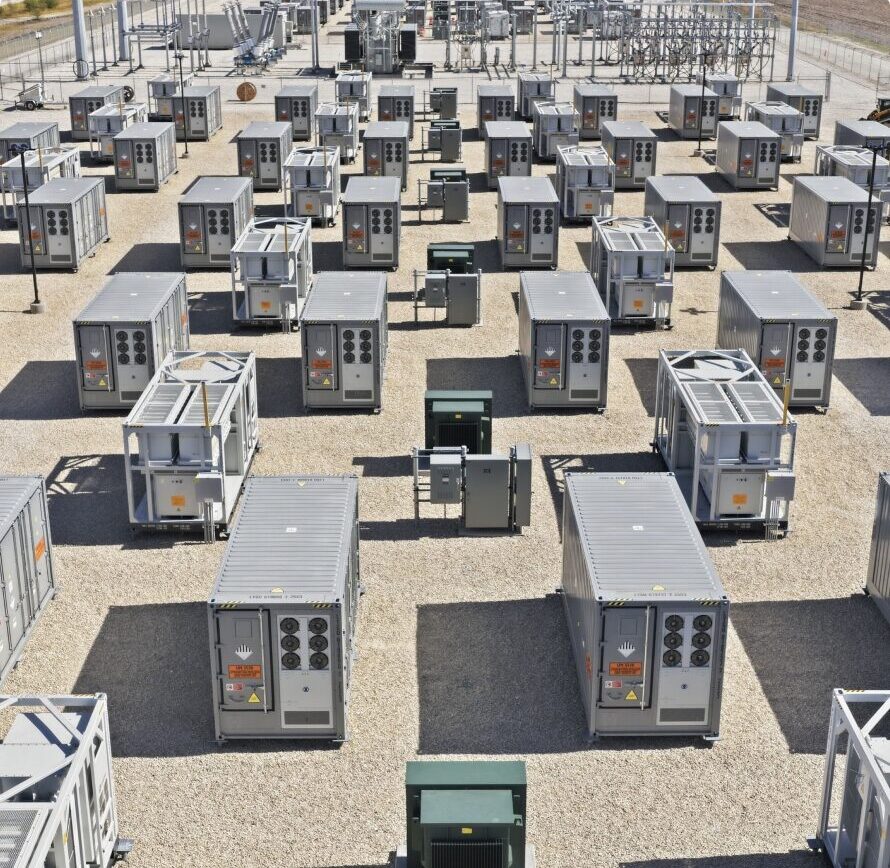
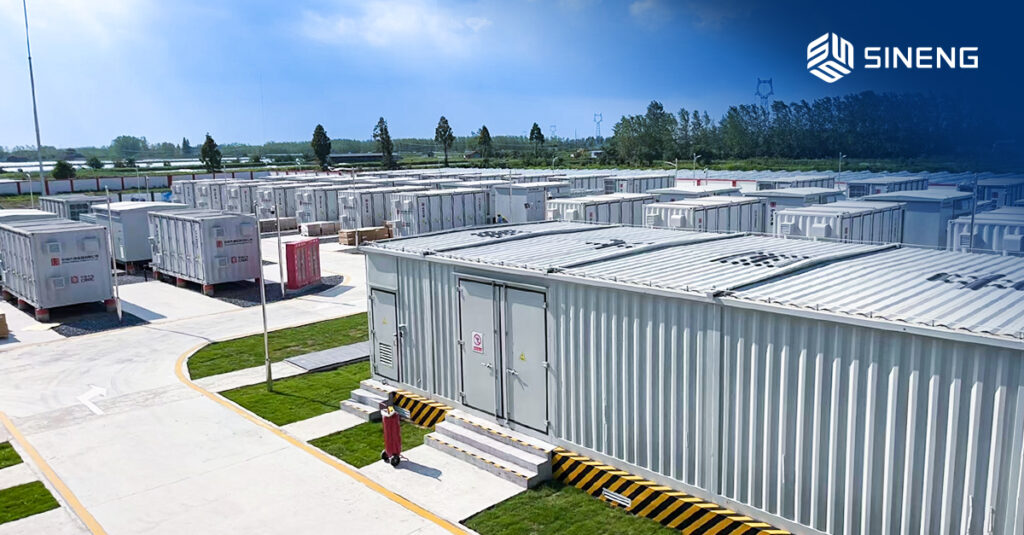
US developer Lydian Energy said on Nov. 10 that its 150 MW/600 MWh Faraday battery energy storage system (BESS) in Utah County, Utah, has been in commercial operation since Sept. 18, providing contracted storage capacity to utility PacifiCorp under a long-term agreement.
The standalone, four-hour lithium iron phosphate (LFP) system is also contracted under Schedule 34 in support of Meta’s Eagle Mountain data center, said the Washington, DC-based company. Schedule 34 is the “Renewable Energy Purchases for Qualified Customers – 5,000 kW and Over” tariff of Rocky Mountain Power, PacifiCorp’s Utah unit.
The battery occupies about eight acres next to the 525 MW Faraday solar plant, which Lydian backer Excelsior Energy Capital sold to Enel in September, and shares its substation and grid interconnection. Lydian said the project went from mobilization to commercial operation in about 10 months and is expected to pay about $9 million in property tax over its lifetime.
“Storage is an essential part of a resilient grid,” said Amanda Yang, director of clean and renewable energy at Meta.
Second phase
Lydian said a second battery at the site, Faraday BESS 2, is in development, with up to 375 MW/1,500 MWh and a targeted in-service date in the fourth quarter of 2028.
In February, Lydian announced $689 million in financing led by CIBC and MUFG for the Faraday battery and two solar projects in New Mexico and Texas. That announcement described the battery’s first phase as 150 MW/733 MWh.
Battery storage is increasingly part of the power supply for Meta’s U.S. data centers. In Arizona, the 300 MW/1.2 GWh battery at Ørsted and Salt River Project’s 11 Mile Solar Center, which mainly supplies Meta’s Mesa data center, came online in October 2024. In April, Meta signed a supply agreement for up to 100 GWh of Noon Energy’s ultra-long-duration storage.
More about
Written by
Comments
Popular Posts