China’s Shandong province mobilizes 144 energy storage stations in largest-ever grid support operation

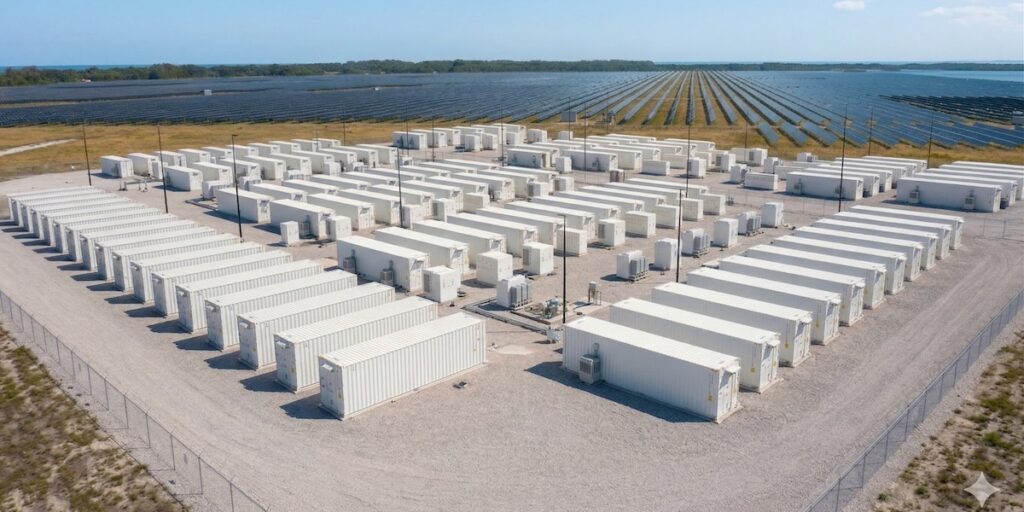
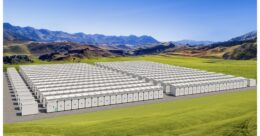
In response to surging summer electricity demand, China’s Shandong province activated 144 energy storage power stations on July 11, achieving a maximum power output of 8.04 GW. The unprecedented, coordinated dispatch helped stabilize the evening grid load and marked the largest single-province deployment of new energy storage systems in China to date.
The operation was managed by State Grid Shandong Electric Power Dispatch Centre and involved both independent and co-located storage assets – a total of 55 standalone energy storage stations and 89 facilities paired with renewable energy plants.
This event followed a similar large-scale dispatch in Jiangsu province just days earlier, which involved 93 energy storage plants and delivered a peak output of 7.14 GW. Shandong’s effort, however, exceeded that scale and underlined the growing role of battery storage in supporting grid stability during critical demand periods.
The mobilization comes as China experiences prolonged high-temperature and high-humidity weather, leading to record air-conditioning loads across multiple provinces. On four consecutive days leading up to the July 11 dispatch, Shandong’s grid load reached all-time highs, pushing the system to the brink.
“Storage plays a critical role in ensuring grid stability at peak hours,” said Liu Yuanlong, director of the dispatch centre. “By charging during midday solar surpluses and discharging during evening peaks, storage resources can effectively balance the system.”
Shandong is one of China’s largest provinces in terms of installed renewable energy capacity, but the intermittent nature of solar and wind power poses reliability challenges. On July 5, for example, solar output peaked at nearly 56 GW at midday but fell to near zero in the evening. Energy storage helps bridge that gap by acting as a “time-space regulator,” according to grid operators.
The province has taken a proactive approach to energy storage development, establishing one of the country’s first mechanisms for independent storage participation in electricity markets. It has also promoted a series of demonstration projects involving diverse storage technologies, including electrochemical batteries and compressed air systems.
As of July 2025, Shandong’s installed new energy storage capacity reached 9.4 GW, ranking third nationally. The province aims to surpass 10 GW by year-end.
The July 11 dispatch was underpinned by advanced forecasting and real-time optimization. The dispatch centre used automated control systems to determine optimal charging and discharging schedules for each facility based on power demand and generation mix.
“This was equivalent to meeting the full grid load of a city the size of Jining,” said Zhang Bing, head of dispatch planning at State Grid Shandong. “It demonstrated both the technical maturity of our storage fleet and the effectiveness of our operational coordination.”
Beyond grid support, the event showcased the evolving role of energy storage as a cornerstone of China’s new power system architecture. As renewable energy expands and grid flexibility becomes more critical, Shandong’s experience is likely to serve as a model for other provinces seeking to enhance power security and integrate clean energy more effectively.
Written by



Popular Posts