Storage investment: Standalone batteries changing the market

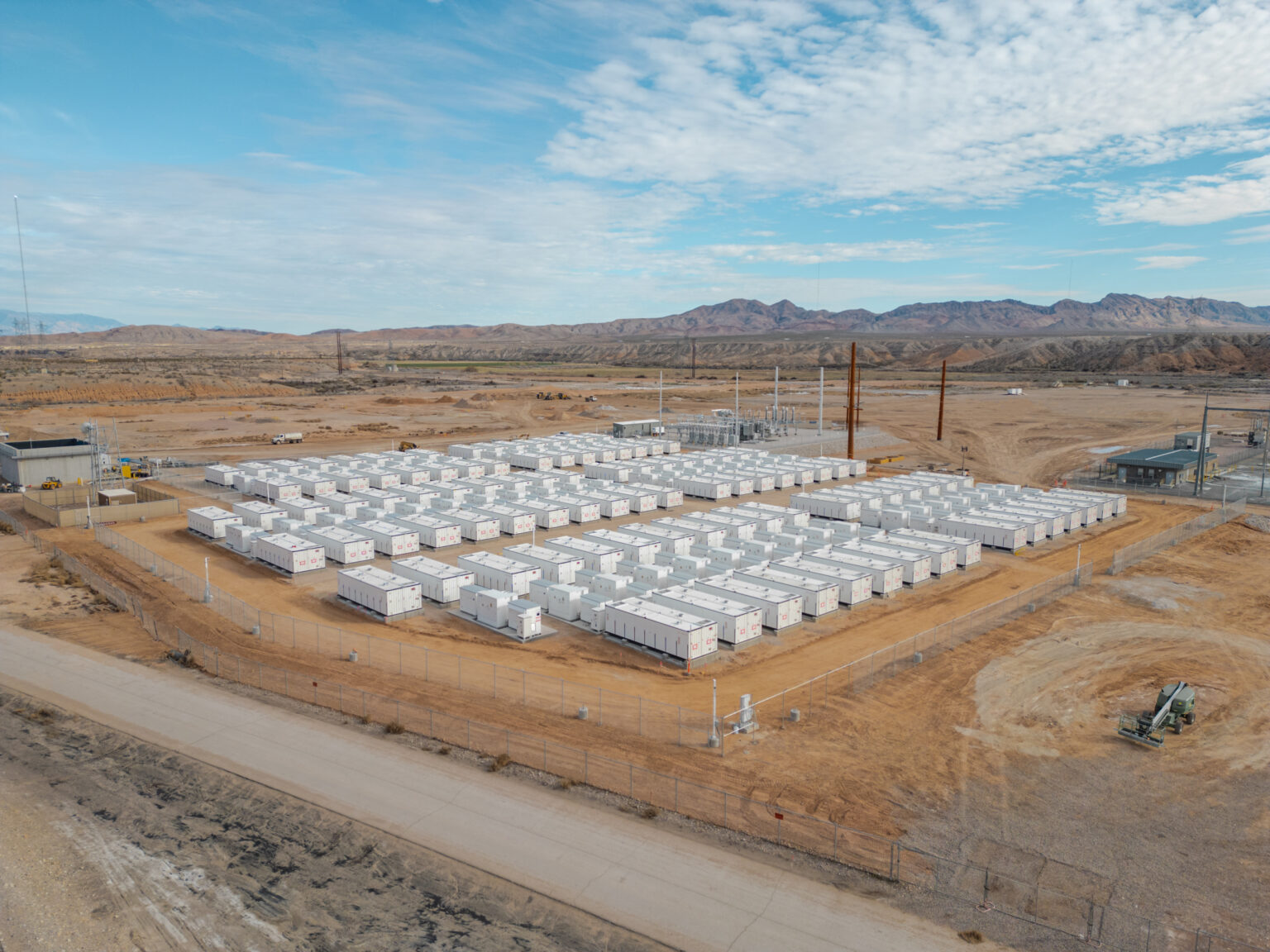
Italian industrial group Redelfi has exited the CER market by selling its CerLab stake and explaining, “the energy storage systems market is becoming a priority.”
With Italian, and wider European BESS demand booming, companies are reallocating resources to that business. pv magazine Italia discussed strategy with Euronext Growth Milan-listed Redelfi, which in June contracted Afry to perform engineering services for 1 GW of BESS projects in the “Redelfi 2” pipeline.
pv magazine Italia: How do you interpret the decision to focus resources on standalone BESS?
Redelfi: The decision to focus resources on standalone BESSs is a sign of consistency, not a change in strategy. Indeed, from the beginning, Redelfi has placed standalone BESS at the center of its development model, a decision that continues to be farsighted today, thanks to the introduction of MACSE [the Mercato a termine degli stoccaggi]. Consequently, the decision was made to focus human and financial resources on the objective to which shareholders committed when the company was listed: the BESS market.
To what extent have you evaluated the integration of storage and photovoltaic systems in Italy in the coming years?
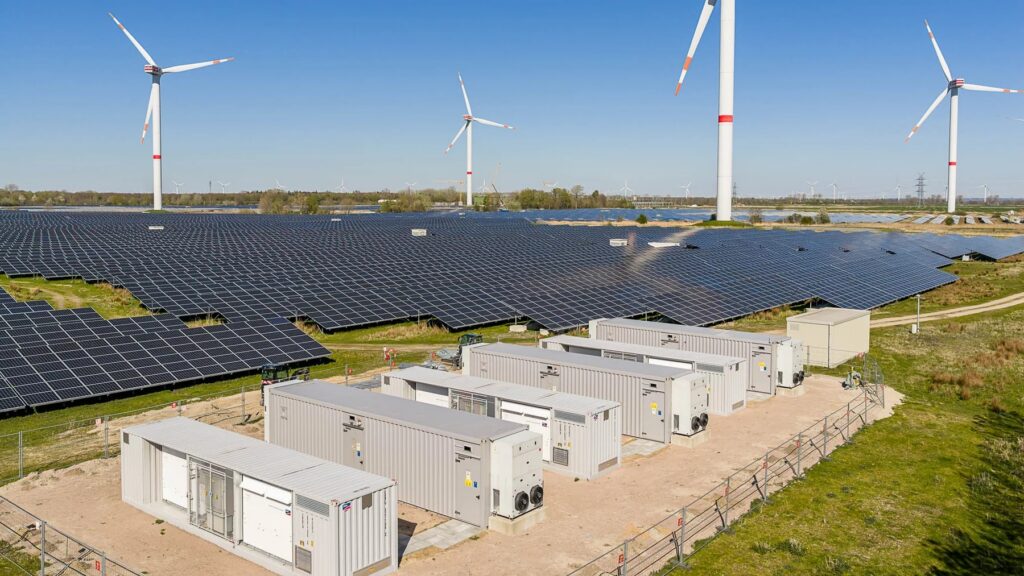
There’s no doubt that the integration of photovoltaics and storage systems remains highly relevant and continues to generate opportunities. However, addressing standalone BESS requires a broader perspective than just storage for photovoltaic systems. These systems, in fact, don’t just support a single source; they represent a fundamental resource for the entire ecosystem of non-programmable renewables. BESS plays a key role in stabilizing the HV [high-voltage] and MV [medium-voltage] electricity grid, helping to manage imbalances and absorb the fluctuations typical of renewables generation. At the same time, it is a strategic tool in regulating the energy market, as it optimizes the response to price variability and ensures greater efficiency and reliability for the system as a whole.
What are your next operational steps?
Our focus is primarily on obtaining the necessary authorizations. To date, we have already reached a significant milestone: By 2026, we will have 1 GW of authorized capacity. At the same time, we are carefully evaluating the possibility of retaining ownership of part of these assets, with a view to consolidating our market presence and expanding Redelfi’s strategic role in the energy storage systems sector.
What solutions are you evaluating for your BESS?
Our approach to energy storage systems combined with photovoltaics must be based on two priorities: maximizing the energy value of utility-scale photovoltaic systems and ensuring sustainability throughout the technology’s entire life cycle. To this end, we are evaluating the use of advanced control technology solutions, such as AI [artificial intelligence]-based optimization for generation and load management, with the goal of maximizing battery life cycles and reducing wear. The presence of an AI department within the group makes this choice easier to address. Furthermore, integration with energy management platforms will improve overall efficiency, promoting grid services such as balancing and frequency regulation.
And what about technology?
More generally, we are looking with great interest at next-generation battery technologies such as more stable and safe lithium iron phosphate (LFP) solutions; or sodium ion cell systems, that offer interesting prospects in terms of costs and raw material availability; or, in the medium term, flow batteries, particularly suited for long-term storage. Finally, we pay close attention to supply chain sustainability: choosing less critical materials, reusing and recycling end-of-life batteries, and integrating circular economy principles into our projects. This means developing not only high-performance systems but also systems that are consistent with the environmental and social objectives driving the energy transition. For us, innovation is not just technological but systemic: Combining BESS and photovoltaics not only increases the system’s efficiency but also makes the PV system more resilient, sustainable, and beneficial to the national electricity grid.
How will the evolution of the photovoltaic market affect demand for BESS in the short and medium term?
While CERs are based on small-scale photovoltaic systems, and therefore do not generate significant imbalances in the grid, the situation is different for utility-scale systems: their growth, which will characterize the coming years, inevitably leads to increased imbalances in medium- and high-voltage grids. It is precisely in this dynamic that BESS are crucial, their adoption will gradually become necessary to manage production variability and ensure system stability. The expansion of large-scale photovoltaics will require integration with storage systems capable of absorbing fluctuations and offering flexibility services to the grid. For this reason, the BESS market in Italy is a long-term strategic market with a development perspective that extends well beyond the short term and extends over at least a decade.
From pv magazine Italia.
Written by


Popular Posts