UK regulator shortlists 77 LDES projects for cap-and-floor scheme evaluation

UK energy regulator Ofgem said Tuesday that 77 long duration electricity storage (LDES) projects with a cumulative power output of 28.7 GW are moving into the assessment stage of the cap-and-floor scheme.
The first window of the scheme received strong interest, with 171 project applications across a wide range of technologies, including lithium-ion batteries, pumped storage hydro, compressed air storage, vanadium flow, liquid air storage and hybrid battery storage.
The power output of all project applications amounted to 52.6 GW. Track 1 included 136 projects (80% of the total) for a cumulative 40.3 GW, while Track 2 had 35 projects, contributing 12.2 GW.
The shortlisted projects include 71 projects from Track 1 accounting for 24.5 GW, deliverable by 2030. In addition, there are another six projects from Track 2 totalling 4.2 GW, deliverable by 2033.
Specifically, there are 48 lithium-ion battery storage projects among the shortlisted ones, 45 in Track 1 and three in Track 2, for a cumulative 20.2 GW.
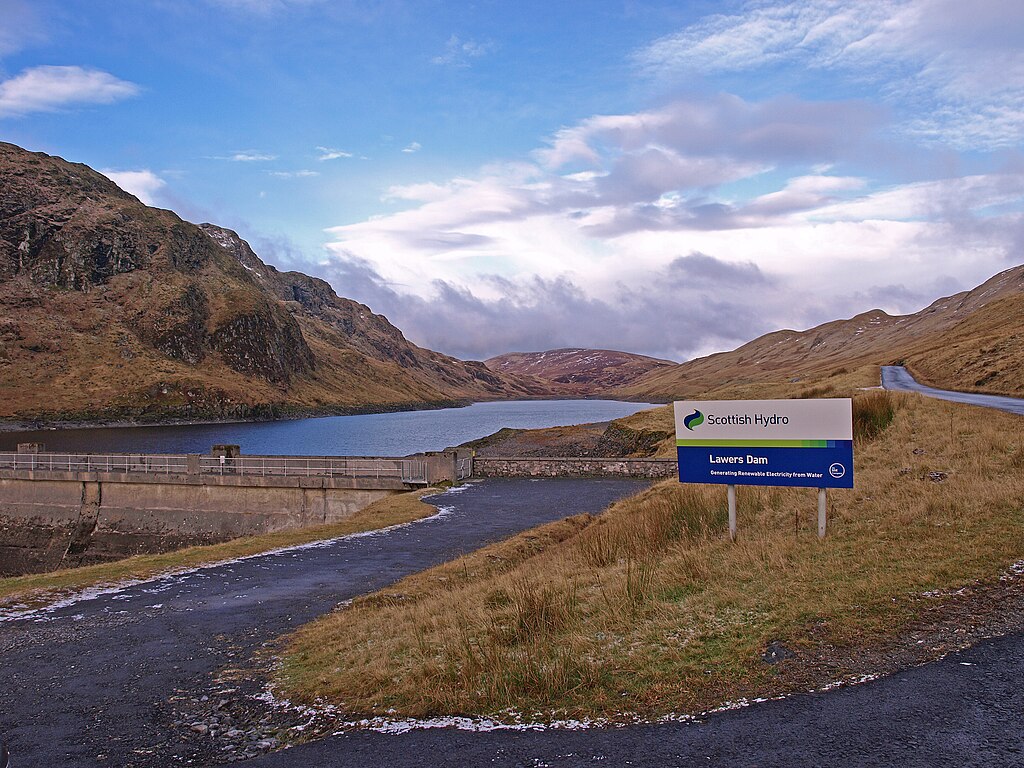
The second biggest group of shorlisted projects named “vanadium flow battery/zinc battery” comprises 16 projects, 15 of which in Track 1, for cumulative power output of 2.6 GW. A total of five pumped hydro projects were on the shortlist, three from Track 1, for a cumulative 4.6 GW.
The list was completed by five vanadium flow batteries totalling 900 MW, two LAES and BESS hybrids for a cumulative 400 MW and one compressed air storage project of 100 MW. The full list of shorlisted projects is available here.
How it works
The cap-and-floor scheme ensures investors receive a minimum amount of revenue to enable investment in LDES assets. The system will see energy consumers refund LDES project owners if their revenues fall below a minimum, “floor” level. If revenues exceed a specified maximum, the “cap,” LDES operators will refund the difference into a public fund for consumers.
The UK government first announced it would introduce a cap-and-floor scheme to support the rollout of LDES in October 2024, and the window for applications opened on April 8, 2025.
Technologies eligible for support through the LDES cap-and-floor scheme have been split into two tiers. Established technologies, such as lithium-ion battery energy storage systems (BESS), with a minimum power output of 100 MW are categorized as “track 1” technologies. Less mature technologies, such as liquid-air energy storage (LAES) and compressed-air electricity storage (CAES), with a minimum power output of 50 MW, are assessed as “track 2” technologies.
Next steps
The publication of the eligible projects list marks the start of an eight-week period during which eligible projects are required to
submit the required information for the project assessment phase. To assist with submissions, Ofgem host a series of online drop-in workshops and contact eligible project proponents to participate.
Ofgem and the National Energy System Operator (NESO) will conduct the project assessment in Q4 2025, with an initial decision list expected in spring 2026 and final awards announced in summer 2026.
More about
Written by



Popular Posts