Energy Vault locks in 1.5 GWh of Peak Energy’s sodium-ion batteries for AI data centers

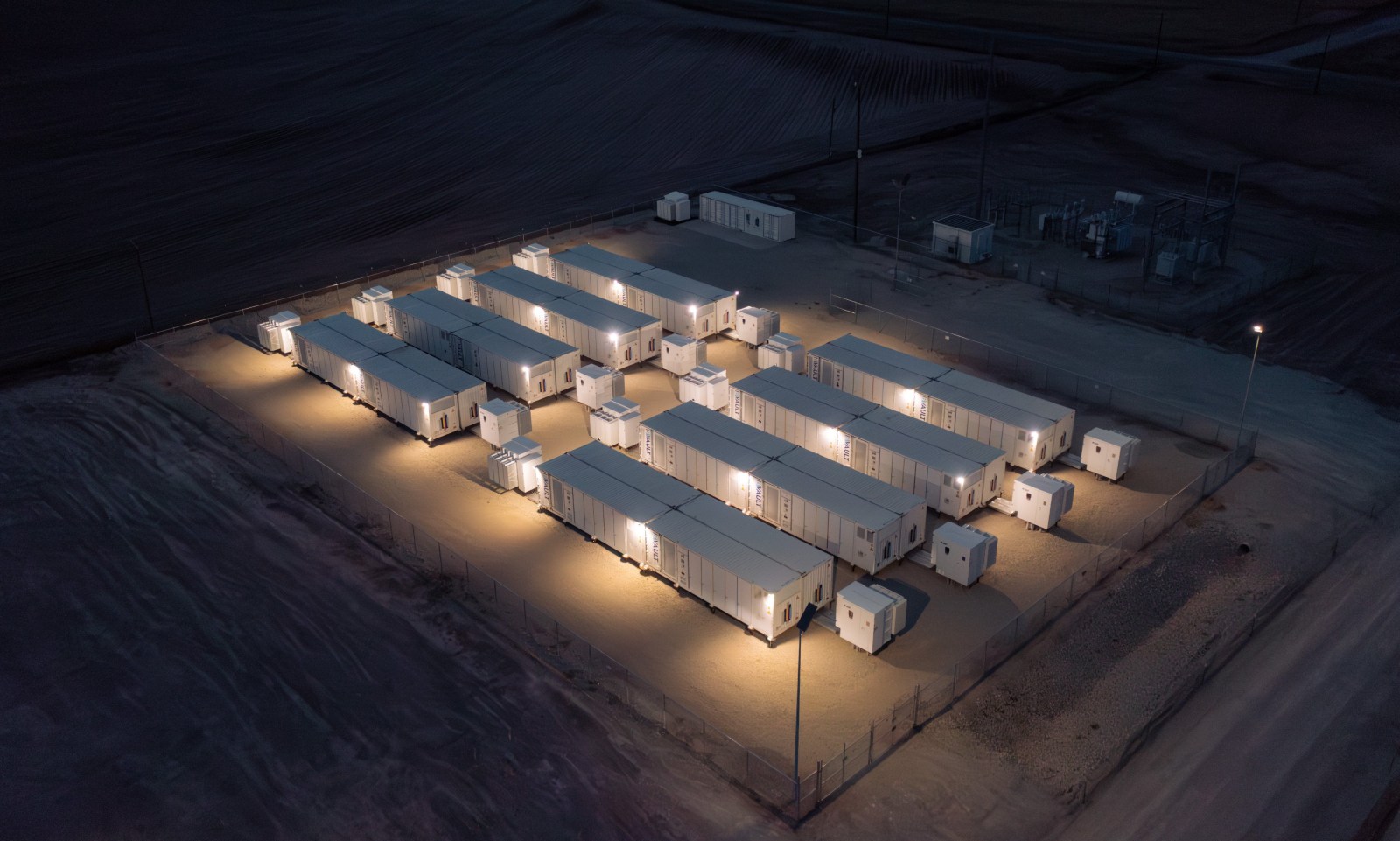
Swiss-headquartered Energy Vault has parnered with US-based Peak Energy to co-develop an AI infrastructure-dedicated, full-stack energy storage plaform based on sodium-ion battery technology.
The companies will develop the platform by pairing Peak Energy’s sodium-ion batteries with Energy Vault’s system design and Vault OS™ software. All systems will be fully integrated into Vault OS™, which will manage the batteries’ performance, optimize dispatch, extend asset life, and maintain Energy Vault’s operational control.
Traditional battery systems are designed for steady grid loads and are not well-suited to the extreme and volatile power demands of AI training and inference. The new partnership seeks to develop a dedicated energy storage architecture tailored for AI Neoclouds – cloud platforms optimized specifically for AI workloads – and AI-first data center operators.
“The rapid growth of AI is exposing fundamental limitations in conventional power infrastructure,” said Marco Terruzzin, Chief Revenue Officer at Energy Vault. “This solution enables faster deployment, lower cost, and improved safety by combining Energy Vault’s integration platform with Peak’s sodium-ion technology.”
The integrated solution will be exclusive to Energy Vault and part of its data center offering. Benefits include simplified electrical design, reduced reliance on traditional UPS systems, lower cooling requirements, and improved handling of high-volatility AI compute loads.
Energy Vault has secured an initial 1.5 GWh offtake of Peak Energy’s US-manufactured sodium-ion batteries, ensuring supply chain security and Domestic Content tax credit eligibility. According to the company, this provides a more attractive economic profile relative to lithium-ion alternatives and foreign-sourced solutions. Under the agreement, Energy Vault has also obtained exclusive regional channel rights for Peak Energy technology in Australia and Japan.
Peak Energy is considered one of the most promising sodium-ion players in the West. Last year, the company unveiled the first grid-scale sodium-ion deployment in the US. Its 3.5 MWh system at the SolarTAC solar and renewable energy test facility in Watkins, Colorado, is being operated in collaboration with nine utilities and independent power producers, making it the largest sodium-ion energy storage deployment of its kind in the country.
According to Peak Energy, its passively cooled sodium-ion system delivers significant economic advantages: a 20% reduction in lifetime cost and 33% lower degradation over 20 years – translating to more than $100 million in potential savings over a project’s lifetime. In an interview with ESS News last year, Cameron Dales, President and Chief Commercial Officer at Peak Energy, said: “If you look at the total cost of ownership over 20 years, these passive system innovations allow us to deliver savings of up to $75/kWh on a net present value basis. That’s more than the cost of the cells themselves.”
Commenting on the new partnership, Landon Mossburg, CEO of Peak Energy, said: “Lowering the cost of energy is essential for winning the AI race, and Peak’s proprietary sodium-ion energy storage systems offer the lowest-cost and fastest way to get data centers on the grid. This partnership confirms that Peak technology is at the center of meeting AI energy needs today and into the future.”
Written by

Popular Posts