Data centers one of five trends to look for in global energy storage in 2026

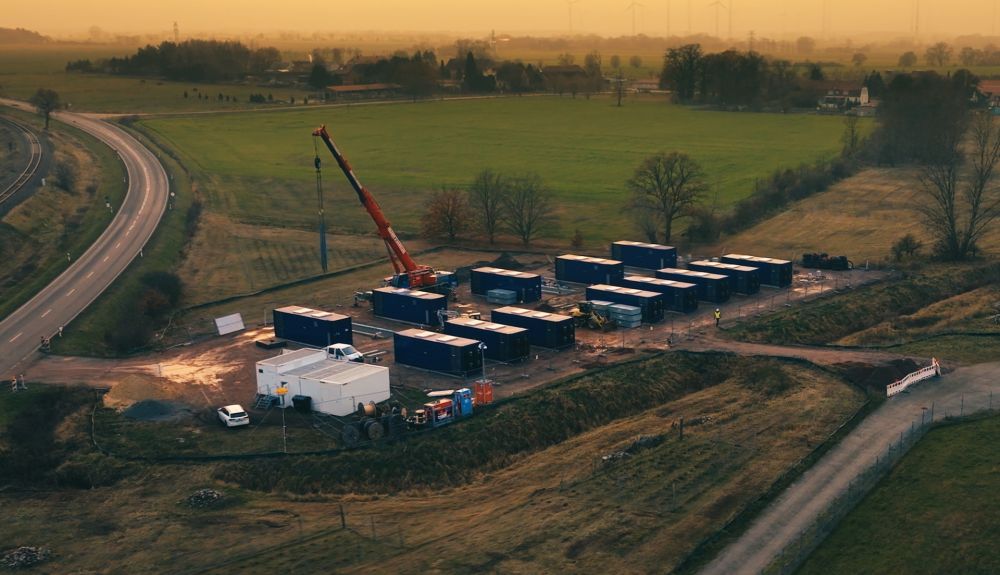
Wood Mackenzie has said it expects that energy storage projects will start to be deployed across far more applications than just supporting grid operations, noting massive possibilities for data centers.
The prediction comes as one of five Wood Mackenzie has published as part of its “Five trends to look for in global energy storage in 2026” report, which complements a report on solar developments in 2026 it released just over a week ago.
The seven-page report backs up several key data points and trends being established, with WoodMac again confirming more than 100 GW of storage was installed in 2025, noting a figure of 106 GW, slightly more than its 104 GW estimate published in the Volta Battery Report 2025.
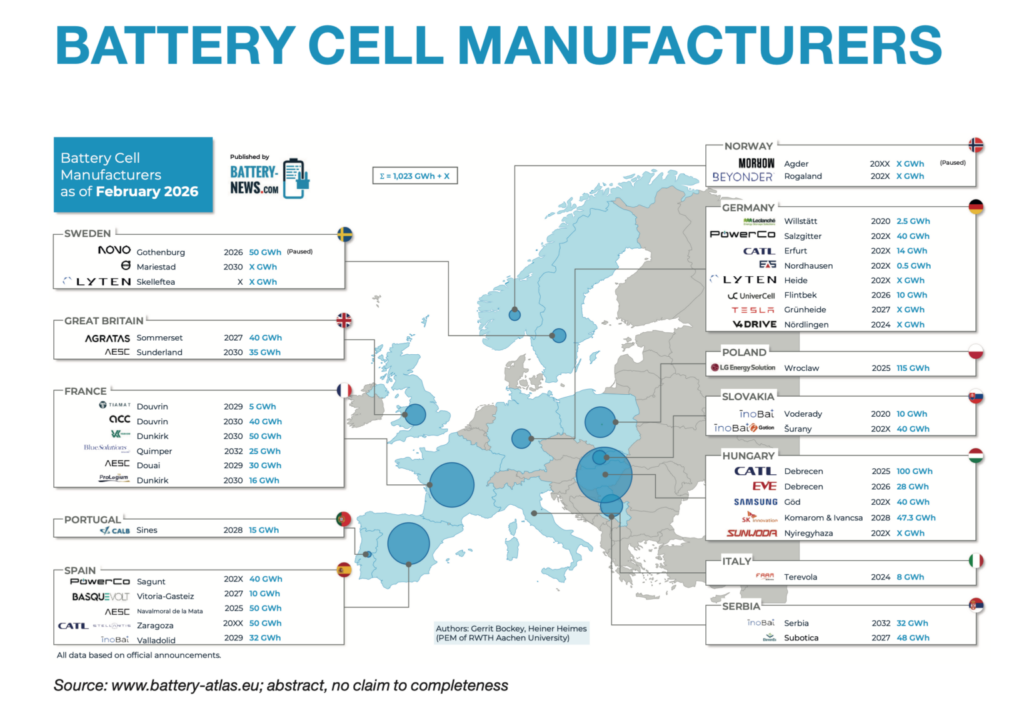
One of the first trends highlighted is the ‘Restructuring of the global supply chain‘, where the analysts suggest that China’s almost complete dominance over energy storage supply chains may shift, as “domestic overcapacity and escalating local content requirements are driving manufacturers to diversify investments beyond China’s borders.” The changes may include new ownership structures to regain access to US markets, where Foreign Entity of Concern (FEOC) requirements of ownership at below 25%, and a suggestion that market share will matter more than profitability. The report also highlights continuing strains on supply that first emerged in late 2025.
“Developers face compressed margins and significant execution risks,” said Jiayue Zheng, energy storage senior supply chain analyst for Wood Mackenzie. “Margin pressure is particularly acute in China’s domestic market, while international markets offer a more favourable outlook characterised by stronger demand, better pricing discipline, and improved profitability. This market dynamic will drive Chinese manufacturers to aggressively expand overseas operations in 2026, prioritising market share gains over near-term profitability.”
Data center focus
WoodMac notes storage will be deployed across a range of applications in 2026 to support data center growth, another trend already seeing innovation from those in the industry, where a BESS owner gave up a grid connection to help a data center get online faster. However, the scope is much broader than shared interconnections.
The report says:
- Interconnection: 2025 saw the first data centers secure faster grid connections by installing storage to guarantee demand response when requested by utilities. We expect to see more similar agreements be announced 2026.
- Load ramps: Battery storage regulates the massive power shifts common in data centers with training loads—facilities can ramp from 10% to 90% capacity in milliseconds. New battery cell chemistries resilient to these cycling demands are being developed to target this use case.
- Resilience: While energy storage remains too expensive to provide the 48 hours of traditional backup generation—though demonstration cases have begun to emerge—it can more economically cover shorter grid outages for training loads that may be curtailed during longer emergencies.
- Clean power: Speed to power has taken priority over clean energy, but big tech companies like Google maintain long-term 24/7 carbon-free energy goals. Solar-plus-storage will play an important role in achieving these targets.
Other trends include ‘From voluntary to mandatory: 2026 is the year grid forming gets regulated‘, where battery energy storage is increasingly expected to support grid stability as renewable penetration increases and spinning reserves from coal and gas-fired power stations diminish over time. A country highlighted is The Netherlands, which has 67% penetration and 32% decline in traditional synchronous generation expected over the next decade, creating requirements for synthetic inertia provision.
An example of changes in this area includes the European Network of Transmission System Operators for Electricity (ENTSO-E) publishing its Phase II technical report on grid-forming requirements, outlining how generators, including inverter-based storage systems, will be mandated to stabilize the European grid.
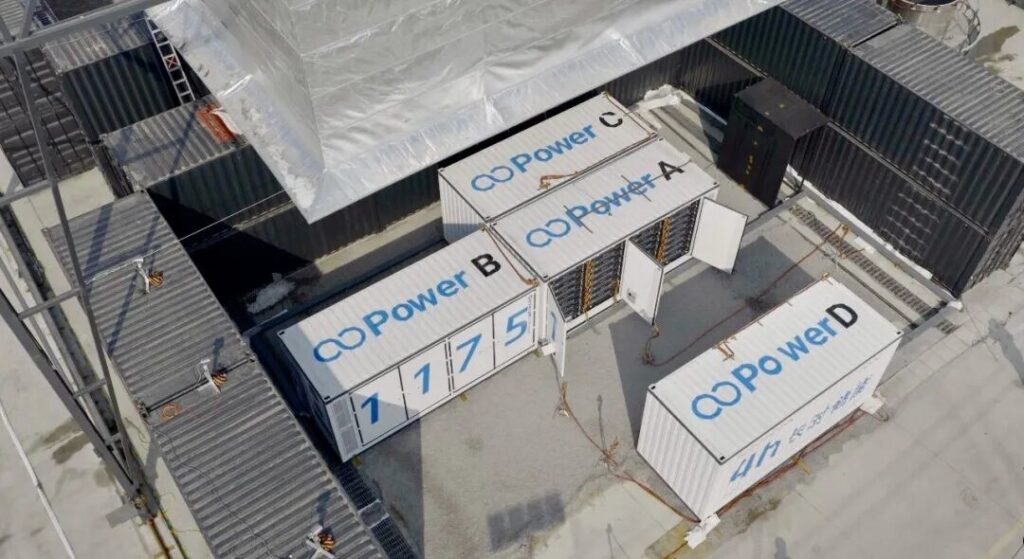
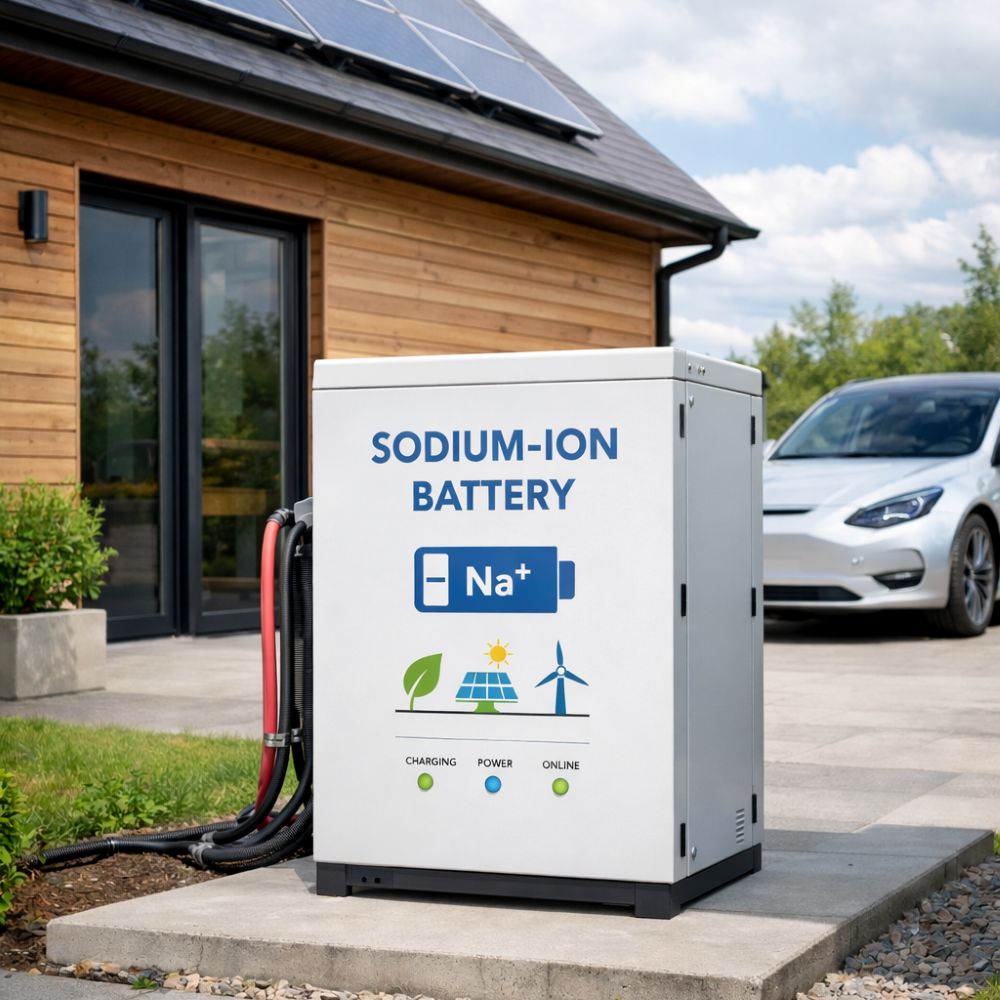
Another trend is ‘Non-lithium technologies emerging at scale,’ a trend seemingly proven out twice in early 2026, with multiple large-scale compressed air energy storage (CAES) power stations coming online in China, in Hubei and in Jiangsu provinces, as multiple records fell for ‘world’s largest’ in just weeks. WoodMac further highlighted sodium-ion developments as being cost-competitive into 2026.
Finally, the report highlights ‘Hybrid system popularity expands beyond the US market‘, where solar and storage are co-located, a trend seen most often in Australia and India.
Written by

Popular Posts