Australia projected to install up to 12 GWh of residential storage in 2026

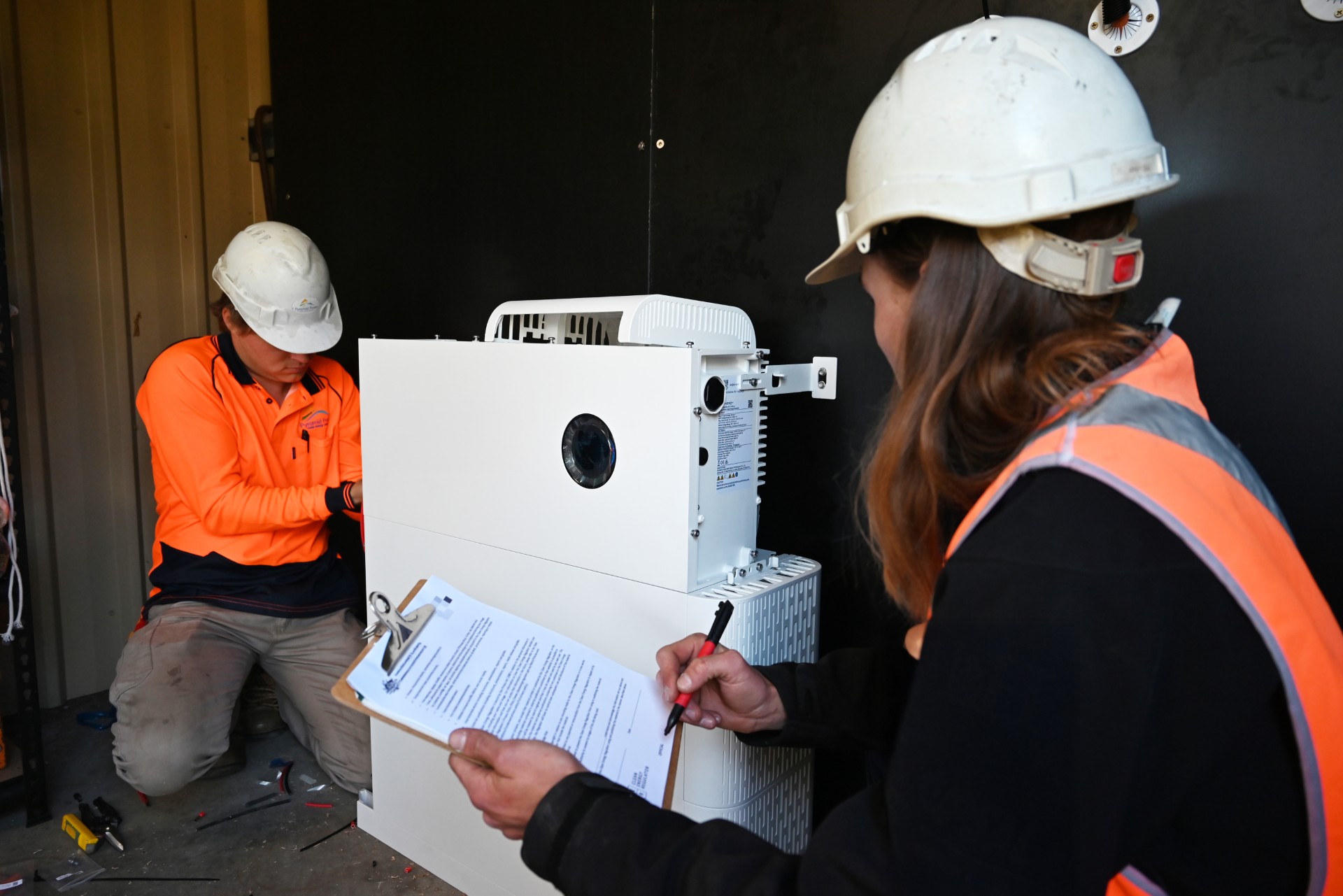
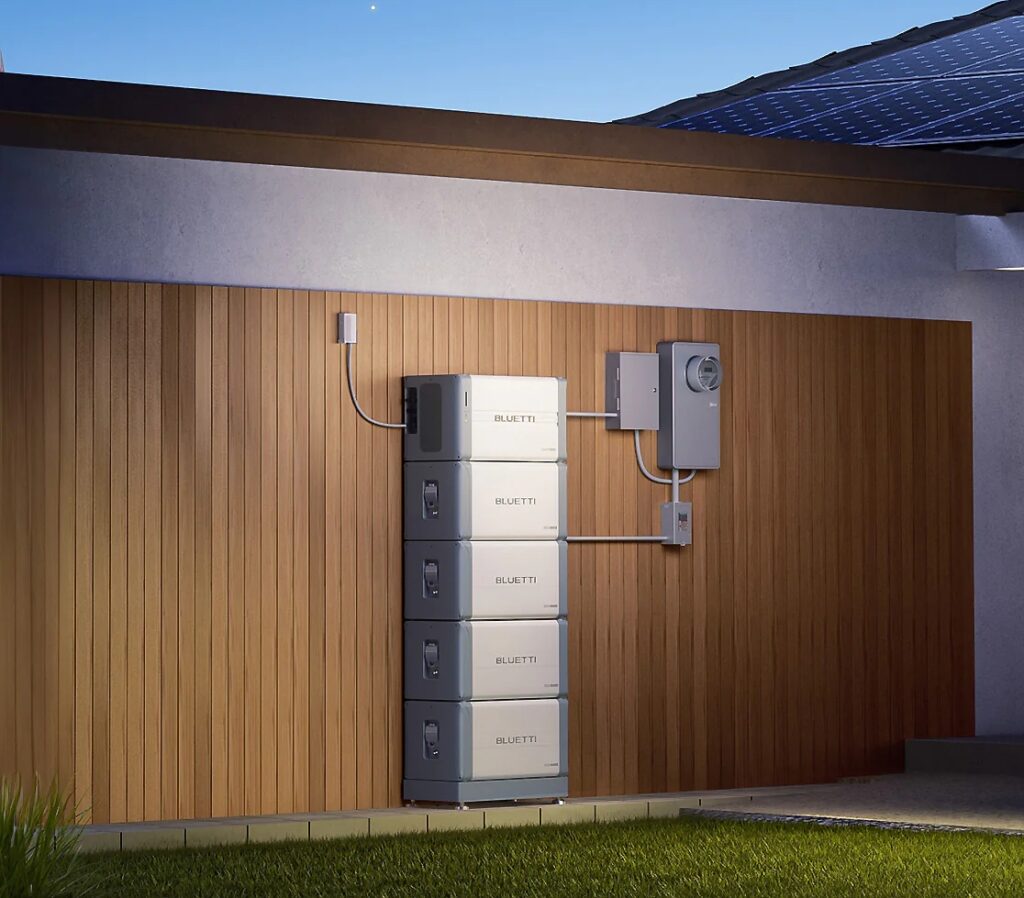
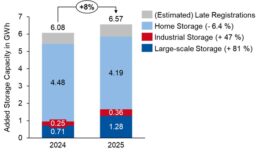
In 2026, the Clean Energy Regulator (CER) forecasts up to 12 GWh of storage from between 350,000 and 520,000 residential battery installations, alongside a rebound in rooftop solar from 2.7 GW in 2025 to between 3 GW and 3.7 GW.
The CER estimates home battery uptake will equate to 8–12 GWh of storage capacity, noting the wide range reflects uncertainty around the rollout of the new Cheaper Home Batteries Scheme (CHBS).
“The Cheaper Home Batteries Program exceeded early expectations in its first six months,” the CER said.
More than 193,000 valid batteries were installed in 2025, delivering 4.6 GWh of capacity – more storage than the 12 largest in-service grid-scale batteries in the National Electricity Market combined.
Rooftop solar
As installer capacity shifted from small-scale rooftop solar to residential battery installations in 2025, deployment softened compared with 2024, with total installations reaching 2.8 GW from around 270,000 systems.
The CER expects rooftop solar to recover to between 3 GW and 3.7 GW in 2026, supported by continued demand for new and upgraded systems under the CHBS.
Large-scale renewable projects
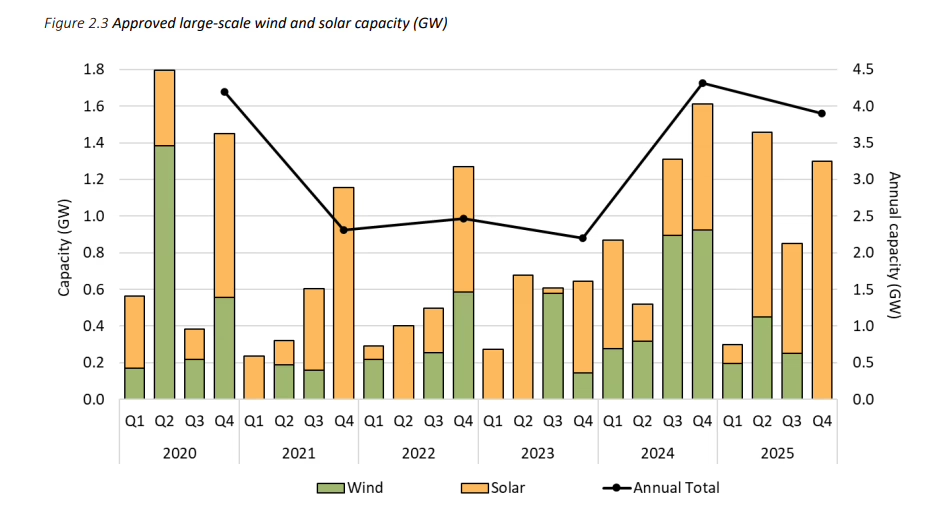
The figures were released in the CER’s December quarter 2025 Quarterly Carbon Market Report, which shows large-scale renewable project approvals remained strong throughout 2025, totalling 4 GW – including 3 GW of solar.
“This marks the biggest year for large-scale solar approvals on record, surpassing the previous high of 2.5 GW set in 2018,” the report said.
“2025 was also the first year on record in which multiple quarters exceeded 1 GW of large-scale solar approvals, with 1 GW approved in Q2 and 1.3 GW in Q4.”
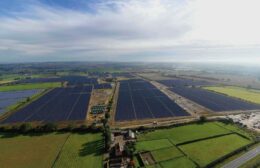
Major solar farms approved in Q4 2025 include Queensland’s 485 MW Aldoga Solar Farm, 150 MW Munna Creek Solar Farm and 11 MW Gunsynd Solar Farm; the 260 MW Glenellen Solar Farm in New South Wales; and Victoria’s 171 MW Carwarp Solar Farm.
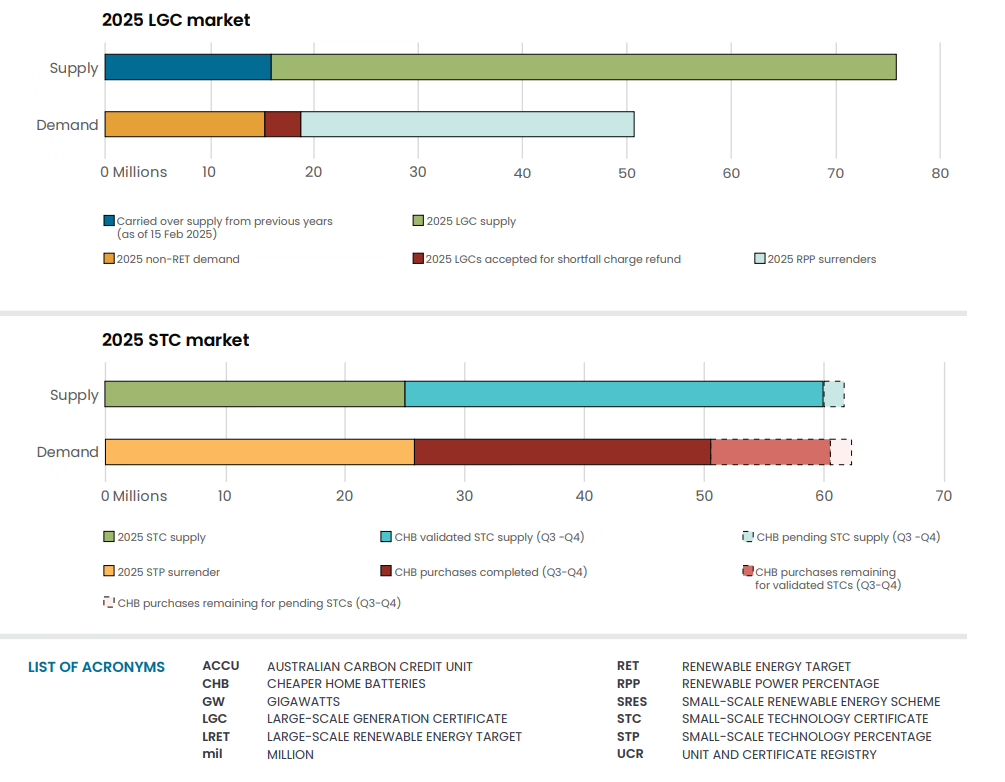
The CER expects 64–66 million large-scale generation certificates (LGCs) to be created in 2026, with oversupply likely to persist through to the end of the Renewable Energy Target (RET) in 2030, despite continued growth in non-RET surrenders.
The projection follows stronger-than-expected supply in 2025, when 59.7 million LGCs were created – above the CER’s forecast range of 54–57 million – alongside the addition of 6.8 GW of renewable energy capacity.
Written by





Popular Posts