EnerSys shifts next-gen lead-acid manufacturing to Missouri for AI-era data centers

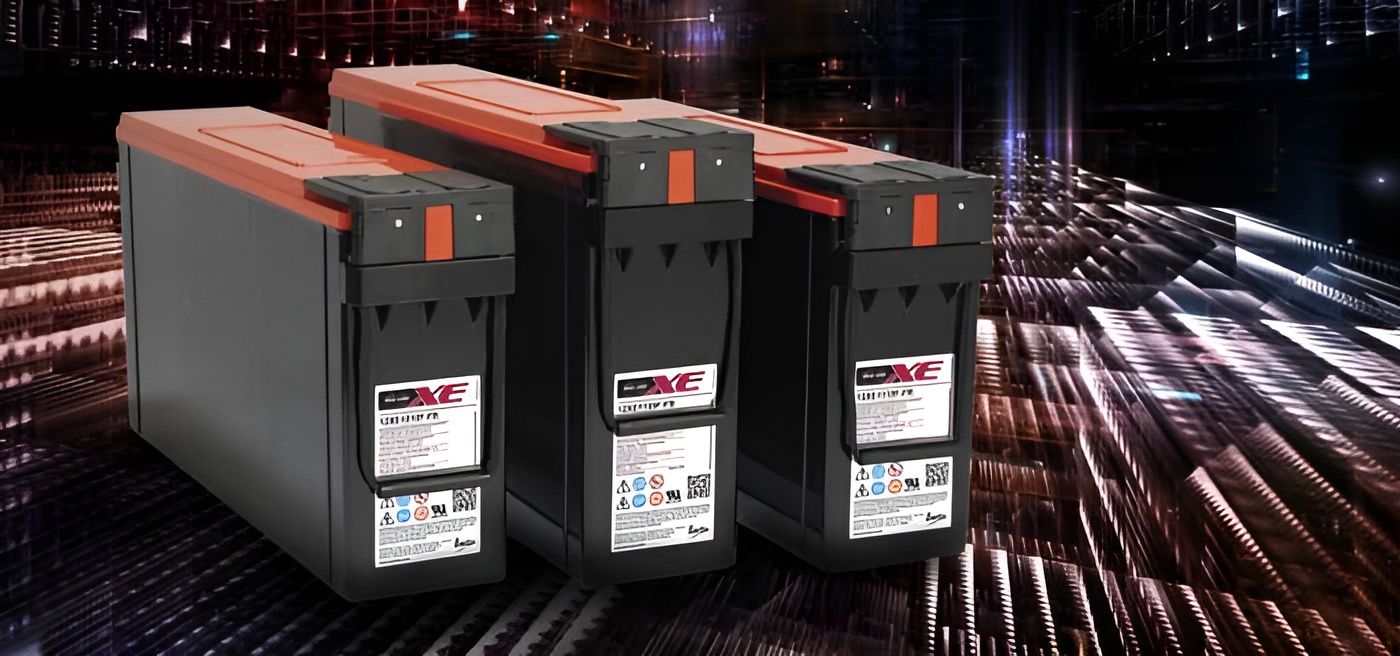
EnerSys is pushing to scale up its proprietary take on lead-acid batteries and, in doing so, has announced a restructuring of its manufacturing facilities, shifting production away from Mexico and into the US.
The company will close its lead-acid battery manufacturing facility in Tijuana, Mexico, and shift focus to its Thin Plate Pure Lead (TPPL) plant in Springfield, Missouri, as part of a $37 million restructuring.
The company is framing it as a technology upgrade with an eye on data centers, as well as acknowledging a tariff hedge strategy in the move.
TPPL is EnerSys’s proprietary take on lead-acid chemistry, which it says is designed for use in UPS systems. The company says it uses near-pure lead grids in its DataSafe HX range, rather than conventional alloys, which allows for thinner plates, higher power density, and a longer lifespan than standard valve-regulated lead-acid batteries. With TPPL also used in applications like forklifts, EnerySys has been positioning the battery tech specifically for data center UPS applications, where short-duration, high-rate discharge performance matters more than energy capacity.
Shawn O’Connell, president and CEO, said the move would “optimize our cost structure, maximize near-term advanced manufacturing production tax benefits, and mitigate future risks associated with potential tariffs while reinforcing our commitment to strengthening domestic industrial capacity and supply chain resilience.”
He added that the actions “build on the investments we have made to scale our TPPL platform and enable us to better serve data center customers with solutions that deliver higher power density and strong performance for today’s increasingly demanding applications.”
With EnerSys a listed company on the NYSE, it provided details of financial restructuring benefits and costs. The move is expected to deliver an annual pre-tax benefit of approximately $20 million beginning in fiscal year 2028. Of the $37 million charge, $14 million is non-cash in equipment write-offs, while $23 million covers severance, decommissioning, and site cleanup.
Written by





Popular Posts