CIP partially divests 1 GWh BESS to Scottish state bank, nuclear decommissioning fund

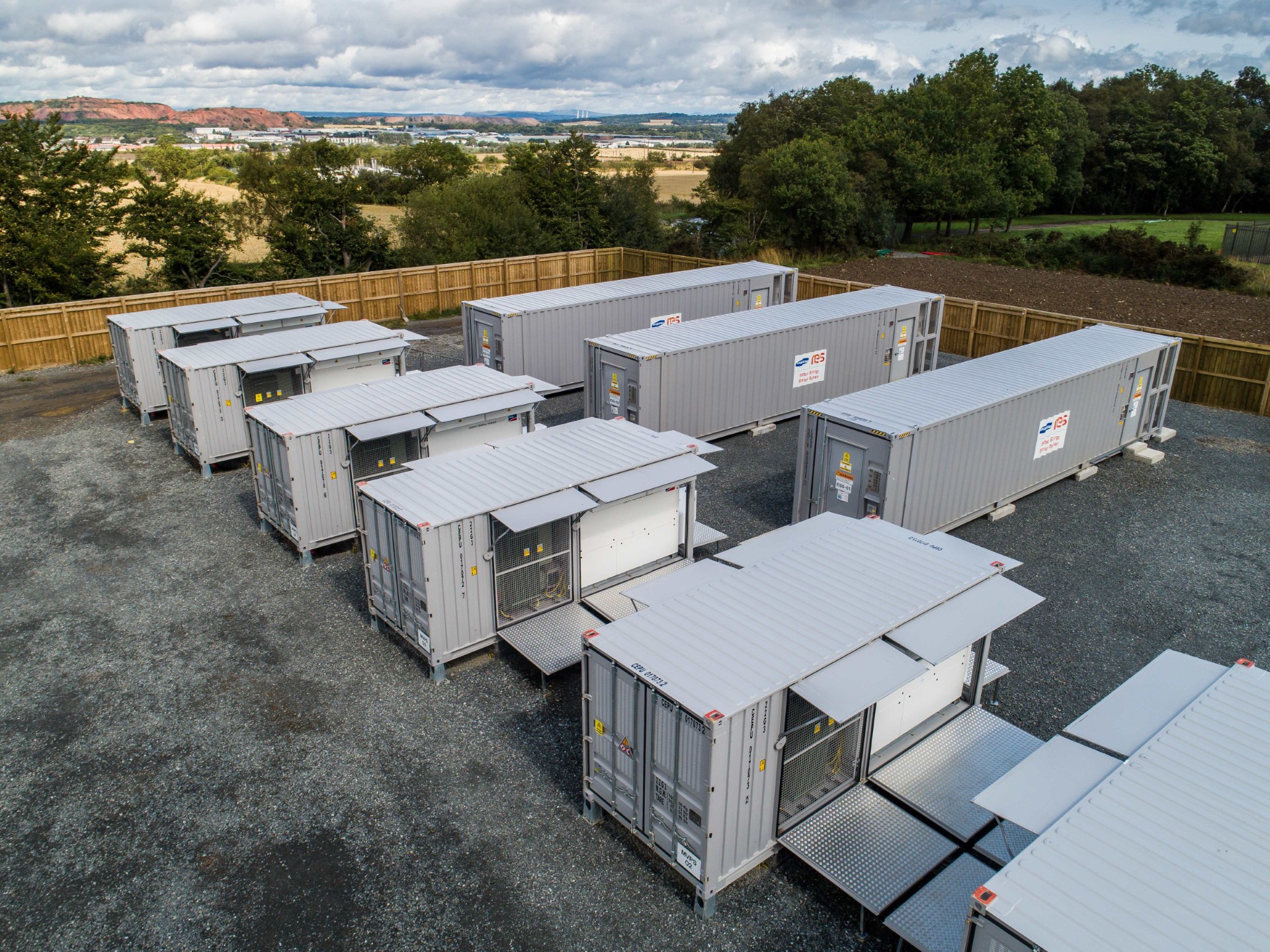
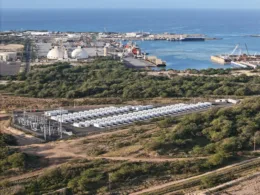
Copenhagen Infrastructure Partners (CIP) has agreed to divest minority stakes in the 500 MW/1 GWh Devilla battery storage project in Kincardine, Scotland.
The Danish developer retains the majority stake in the project but is now joined by state investment vehicle the Scottish National Investment Bank, and the Nuclear Liabilities Fund – an EDF Energy operated fund which holds assets for the purposes of making payments toward discharging nuclear liabilities.
CIP will continue to lead project delivery through the construction phase, and the Devilla BESS has already secured contracted revenues through a 10-year optimization agreement with SSE plc, plus a 15-year capacity market agreement.
Devilla is one of three transmission-connected BESS assets being co-developed by CIP and UK partner Alcemi. The three projects combined have a total capacity of 1.5 GW/3GWh. CIP reports it is developing a further 4.5 GW of BESS projects across Scotland and England.
Nischal Agarwal, partner at CIP, said that Devilla will be one of Europe’s biggest operational BESS projects when it is commissioned in 2028. “The delivery of Devilla, alongside CIP’s Coalburn 1 and 2 projects, will improve the UK’s energy security and reduce costs for British consumers through enhanced system flexibility and access to more low-cost renewables.”
Robin Tayal, investment director at the Scottish National Investment Bank, described BESS projects as critical to improving energy security and stability, and noted the Devilla site is “strategically located” to support renewable integration, grid stability and system flexibility.
CIP’s Scottish BESS projects developed in partnership with Alcemi are sited in areas of Great Britain’s electricity grid currently beset by growing curtailment costs and transmission bottlenecks. Scotland is home to a large proportion of the United Kingdom’s wind generation fleet, but the majority of UK electricity demand is concentrated in the south – the transmission boundary between Scotland and England has become a major bottleneck.
The UK government has targeted at least 23 GW of battery storage on Great Britain’s electricity grid by 2030, up from 6.8 GW at the end of 2025.
More about
Written by
Comments



Popular Posts