Flow batteries
Advertisement
Advertisement
Advertisement
Latest News

Advertisement

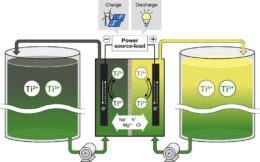
Titanium emerges as a vanadium alternative for redox flow batteries
A Japanese-Chinese team developed a titanium molten salt redox-flow battery using abundant titanium ions and molten salt electrolytes to enable high-voltage, fast, and stable grid-scale energy storage. The system demonstrates high efficiency of over 97%, strong cycling stability, and improved cost and scalability compared to vanadium-based batteries, with further optimization underway.

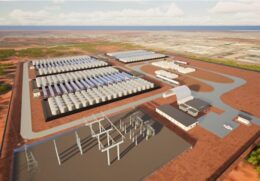
AVL partners with Sumitomo in bid for Western Australia’s 500 MWh vanadium battery project
Perth-headquartered resources and technology company Australian Vanadium Limited’s subsidiary VSUN Energy will partner with Japanese manufacturer Sumitomo Electric Industries in its bid to develop Western Australia’s planned 500 MWh Kalgoorlie vanadium battery project.

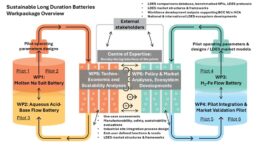
Dutch long-duration energy storage project targets sub-€50/kWh costs with innovative technologies
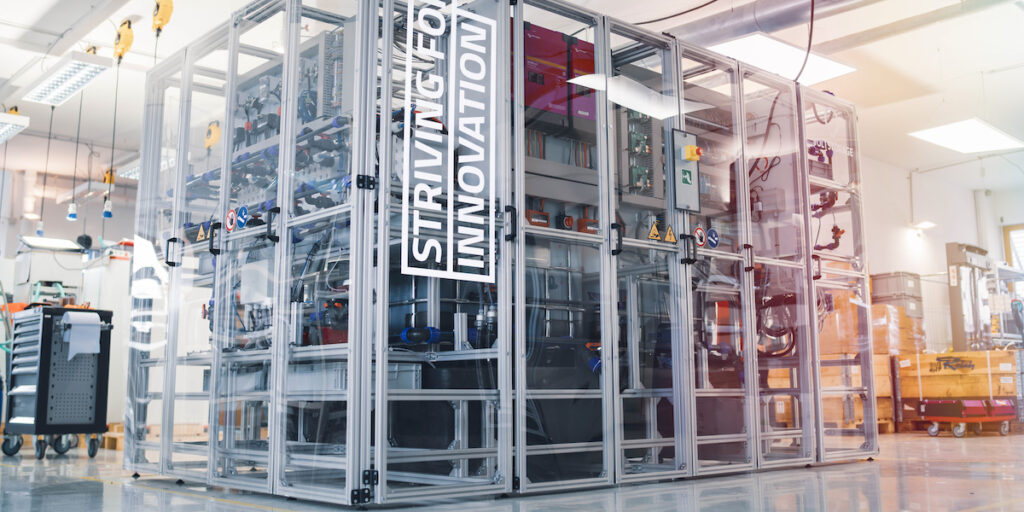
The SLDBatt project brings together TRL 7 battery technologies – including molten sodium‑salt, saltwater acid–base flow, and hydrogen–iron flow batteries – to deliver an innovative and cost-effective long-duration energy storage solution.





Advertisement
All Flow batteries news
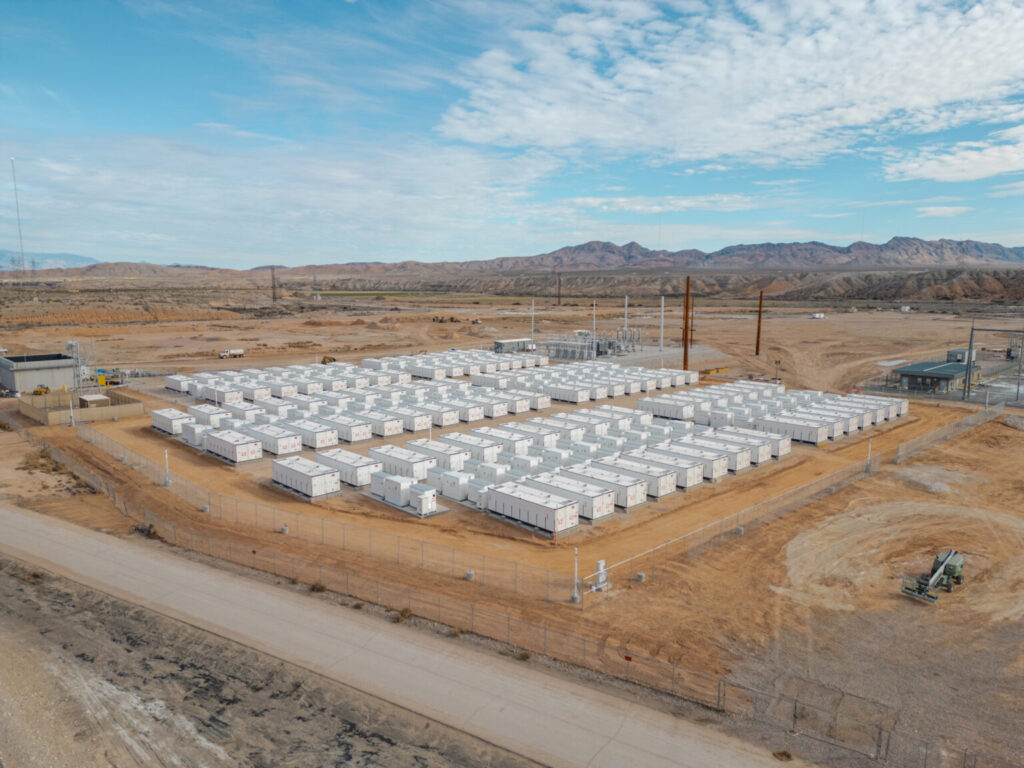
Storage investment: Standalone batteries changing the market
Redelfi has placed standalone battery energy storage systems (BESS) at the center of its development model, abandoning the renewable energy community (CER) business. pv magazine Italia discussed that decision – and Redelfi's market vision – with a company that wants 1 GW of capacity greenlit by next year.
Sumitomo Electric supplies flow battery for AI-led smart energy trial in Japan
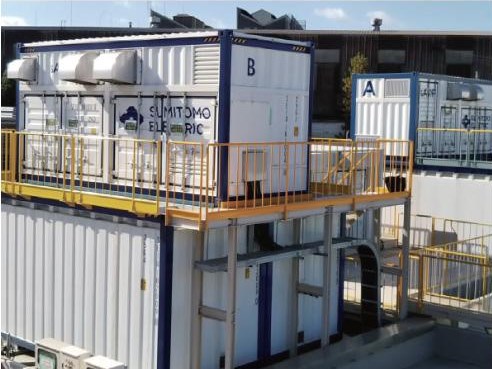
Sumitomo Electric Industries has installed a vanadium redox flow battery at Osaka Metropolitan University as part of a trial to optimize solar use and energy storage with AI. The project combines the battery with Kansai Electric Power’s cloud-based control platform.
Advertisement


US DOE awards $14m for unique energy storage systems for critical facilities and infrastructure
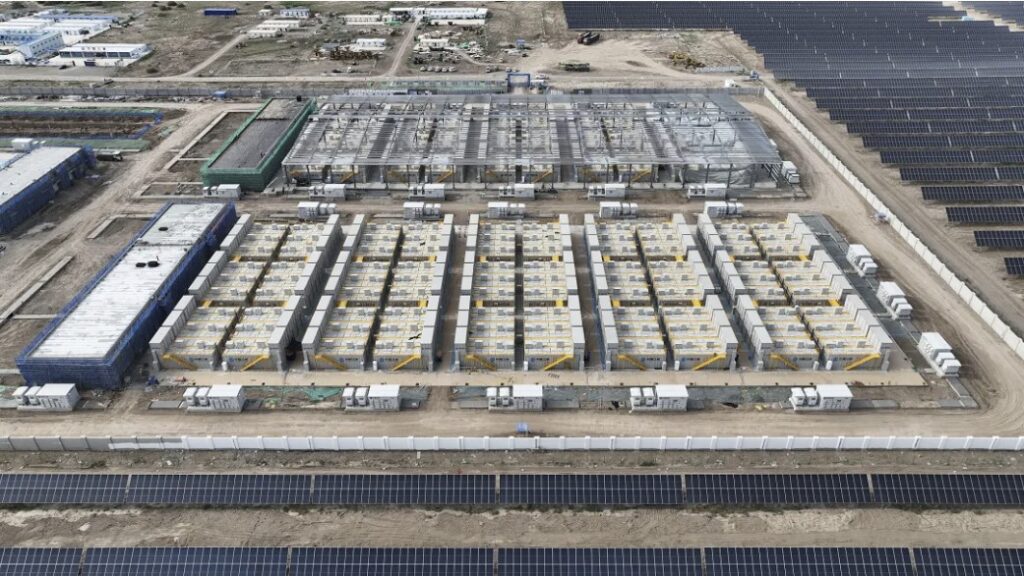
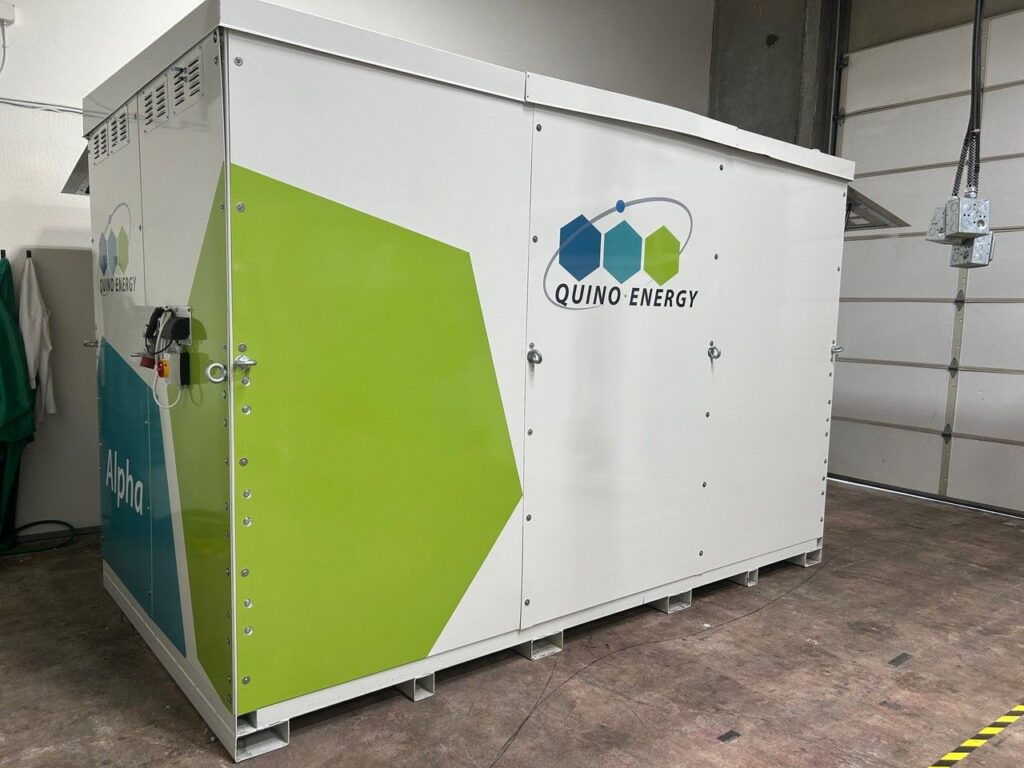
The US Department of Energy's (DoE) Critical Facility Energy Resilience (CiFER) fund will back an organic quinone flow battery and an iron and sodium long duration energy storage (LDES) system in California, plus a lithium battery with a novel cathode material in New York state.
Advertisement
Advertisement