VRF long-duration batteries answer demands of electricifation: Eora Energy

Sydney-headquartered vanadium redox flow battery (VRFB) company EORA Energy has entered the Australian market with a pipeline of long-duration energy storage projects in mining, data centers and regional infrastructure.
Targeting an end to reliance on diesel, EORA is advancing opportunities in the mining sector where it says long-duration storage can significantly reduce fuel costs, lower emissions, and boost reliability.
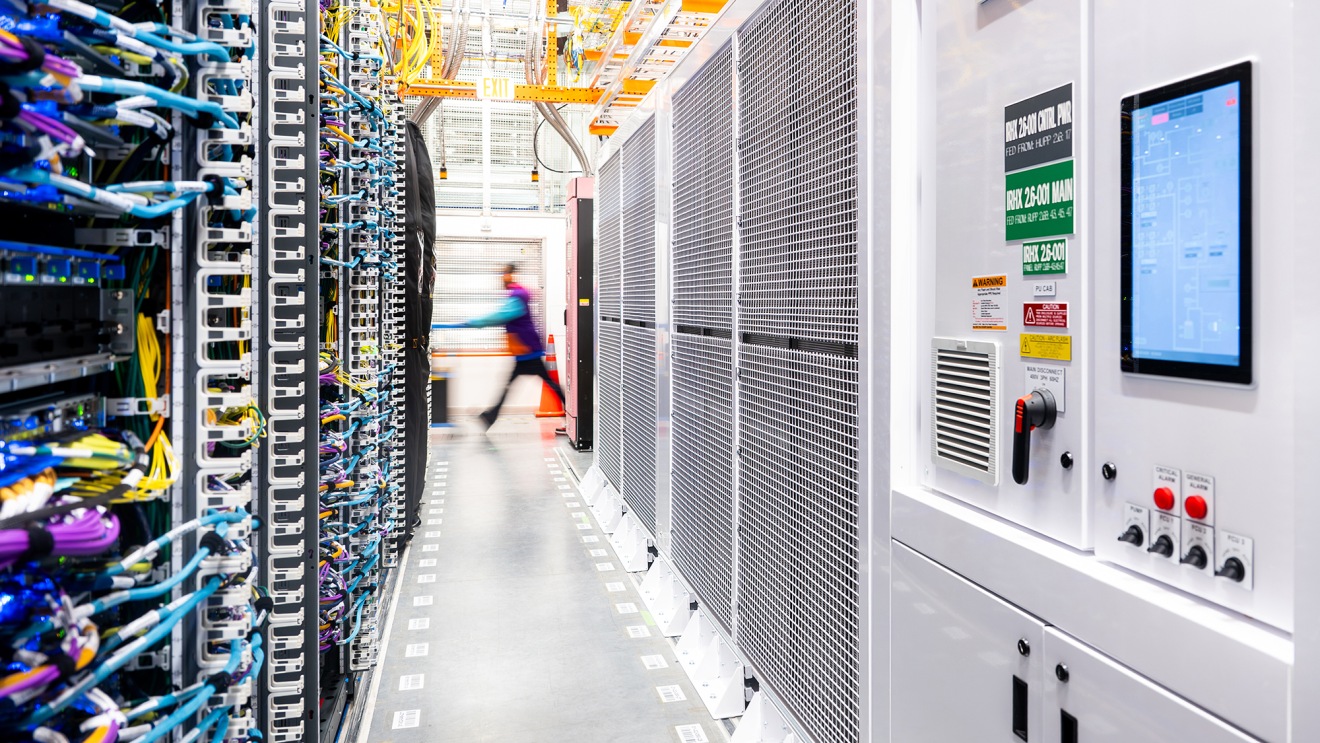
The company is also engaged by data center operators Amazon, Microsoft, and Google to provide firming solutions that address increasing grid constraints and energy demand.
EORA Chief Executive Officer and Co-founder James Costello said the company is actively working with a number of government agencies, industry partners, and regional stakeholders to accelerate pilot projects and unlock funding pathways.
“Our goal is to position ourselves as a key player in Australia’s emerging long-duration energy storage sector with a clear focus on scalable, real-world deployment,” Costello said.
Predicting VRFB will be the backbone of Australia’s long-duration energy storage instead of lithium, Costello said, adding Australia needs reliable and economically viable energy storage over long periods to meet future energy needs of electrification, data centers, EVs, and industrial decarbonization.
“This is where vanadium comes in. Unlike lithium-ion batteries, which degrade over time and are optimized for short bursts of energy, VRFB solutions are designed for durability, safety, and long-duration storage,” Costello said.
“They can operate for more than 20 years without degradation, making them uniquely suited for critical infrastructure and industrial applications.”
Costello added that for sectors like mining, this presents a breakthrough opportunity.
“Remote mining operations across Australia rely heavily on diesel generation. Fuel costs are volatile, logistics are complex, and carbon pressures are increasing. By integrating long-duration battery systems, these operations can reduce diesel consumption while improving reliability and lowering emissions.”
“At the same time, Australia’s rapidly growing data center sector is placing unprecedented strain on the grid. Hyperscale facilities now require the energy equivalent to tens of thousands of homes, creating urgent demand for firming solutions that can stabilize supply without compromising performance,” Costello said.
“Vanadium flow batteries provide that firming capability. They offer a compelling alternative to lithium in applications where duration, safety and lifecycle cost matter more than short-term power output.”
Sovereign opportunity
Given Australia holds some of the world’s largest vanadium reserves, Costello proposes developing local manufacturing capability for vanadium batteries could propel Australia up the value chain from raw materials to advanced energy infrastructure.
“The opportunity is clear: reduce diesel dependence, stabilize the grid and establish Australia as a global leader in long-duration energy storage. The question is no longer whether we need better storage, it’s whether we are ready to back the technologies that can deliver it,” Costello said.
From pv magazine Australia.
Written by




Popular Posts