R&D
Advertisement
Advertisement
Advertisement
Latest News
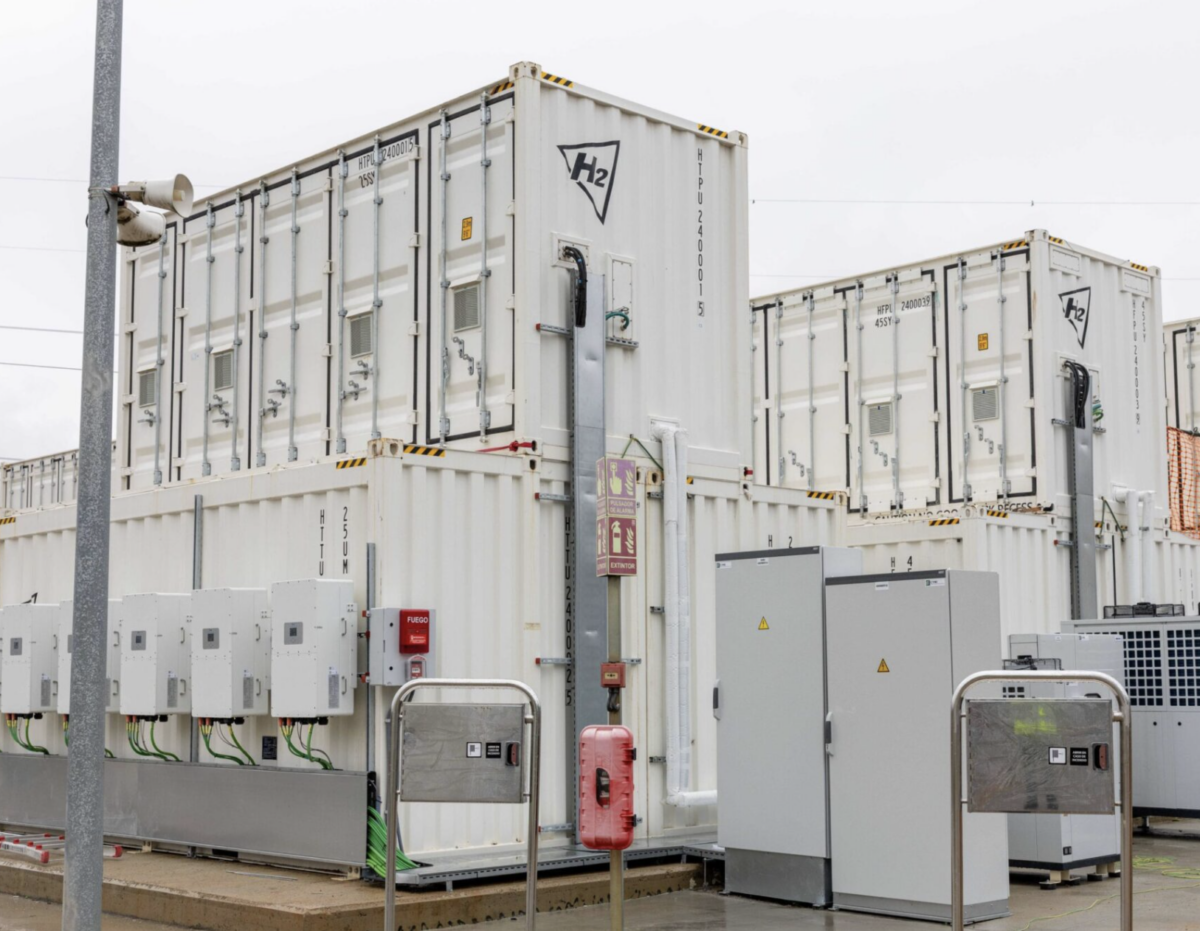
Spain completes testing of Europe’s largest research vanadium BESS
Spain’s Fundación Ciudad de la Energía (Ciuden), a government energy research foundation, has completed operational testing of a 1 MW/8 MWh vanadium redox flow battery (VRFB) system at its Cubillos del Sil technology center, which it says is the largest vanadium flow battery in Europe dedicated to applied research.
5 hours ago
Advertisement
New cost-saving copper welding technique for battery cells revealed by Fraunhofer
Resistance projection welding technique could unlock cost-effective copper interconnection potential. Described as a major opportunity for German battery manufacturers, the new approach to copper interconnections will now be used in commercial production.
Scientists demonstrate quantum battery prototype with rapid charging
Scientists from Australia’s Commonwealth Scientific and Industrial Research Organisation (CSIRO), RMIT University and the University of Melbourne have developed a quantum battery prototype that demonstrates rapid, scalable energy storage using collective quantum effects.

Small 24/7 clean power commitments could cut costs for long-duration storage
TU Berlin researchers say early demand for round-the-clock carbon-free electricity could help bring advanced energy technologies to market faster through technology learning effects. Grant funding for the research was provided by Google, which has since announced plans to build the world’s largest iron-air battery.
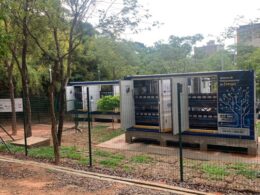
BESS in Brazil: Feasibility of three strategic approaches
Based on real data from the National Interconnected System between 2024 and 2025, the study evaluates the technical, economic, and regulatory performance of batteries operating as autonomous market agents, behind the meter for consumption shifting, or co-located with distributed solar generation.




Advertisement
All R&D news


Advertisement
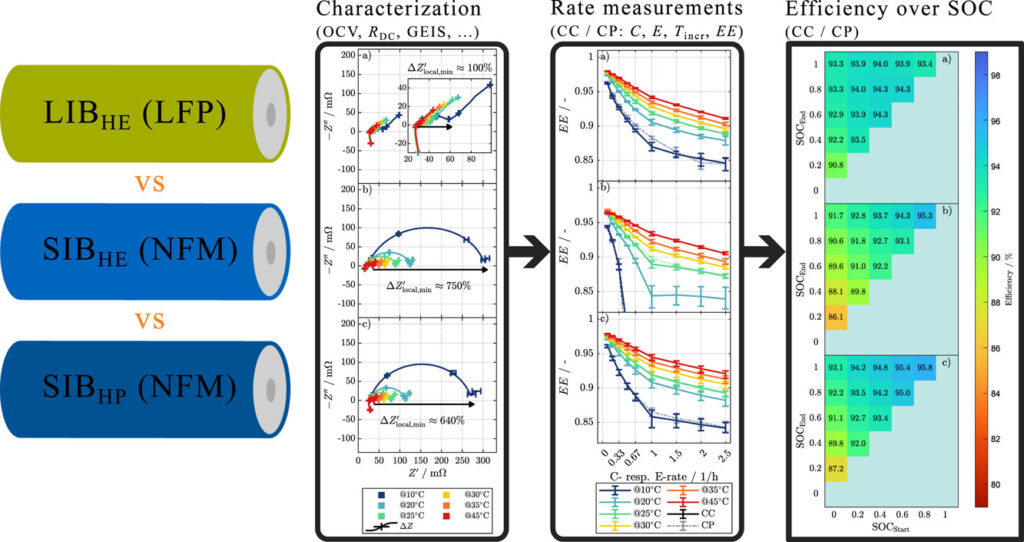
Sodium-ion vs. lithium-iron-phosphate batteries
Researchers in Germany have compared the electrical behaviour of sodium-ion batteries with that of lithium-iron-phosphate batteries under varying temperatures and state-of-charges. Their work shows how state-of-charge during cycling significantly affects the efficiency of sodium-ion devices.

Advertisement

Advertisement