Varta cuts revenue forecast amid storage market slowdown

German battery maker Varta AG has cut its revenue forecast for 2024 due to the declining demand in the energy storage market.
The Ellwangen-based company now expects revenue between EUR 820 million ($878.5 million) and EUR 870 million, down from the previously forecasted EUR 900 million ($964 million). The earlier forecast was issued on August 11, 2023
“The reason for the adjustment is a further significant deterioration in the market environment for energy storage systems, especially in the second quarter of the current year,” the company said in a statement issued last week.
Noticeable decline in overall market demand
In addition to “a noticeable decline in overall market demand,” Varta says that the market segment for AC (alternating current) energy storage systems in particular, which Varta serves with its existing product line, is currently losing market share in the domestic market.
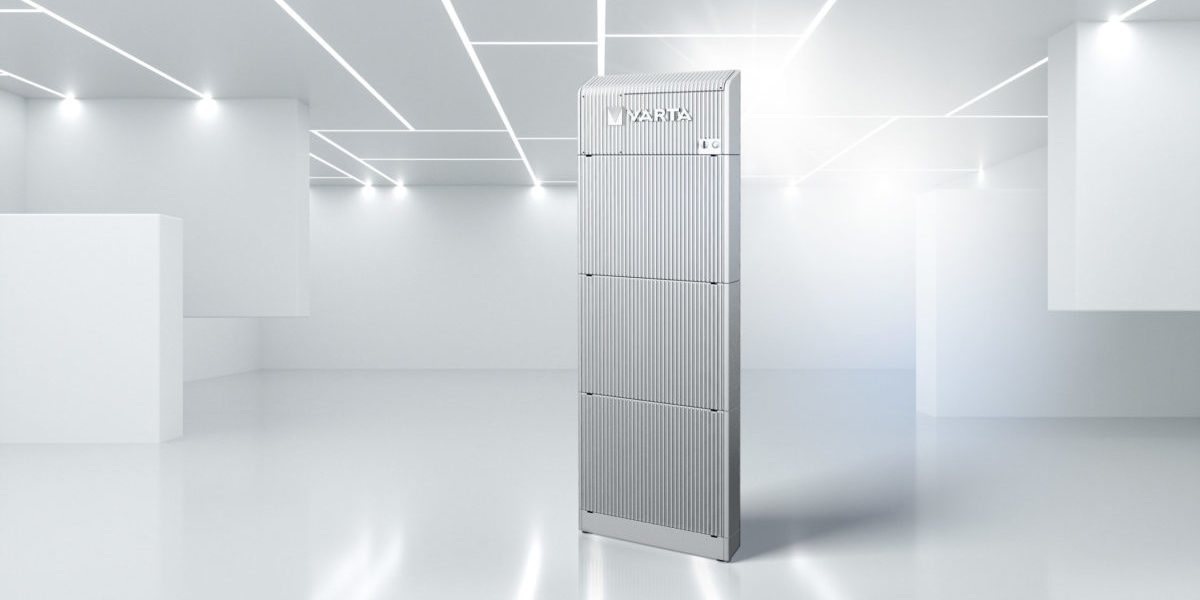
The company says that the delays in the launch of its DC (direct current)-coupled high-voltage storage system VARTA.wall, with which it plans to enter the largest market segment of the energy storage market in terms of volume (DC storage systems), are also having a negative impact on revenue development in 2024.
Varta AG initiated a restructuring programme in agreement with the financing banks and the majority shareholders last July. In April this year, the company updated the restructuring program, noting that the previously agreed measures were insufficient to bring it back to a stable growth path.
High inventory levels
One of the reasons for the reevaluation of the restructuring program was “an unexpected significant decline in demand for energy storage solutions among end users.” High inventory levels in the retail sector, aggressive pricing policies by competitors, and ongoing supply chain problems have also contributed to a deteriorating economic environment, Varta said in April.
In February this year, Varta postponed the the publication of its 2023 financial results following a cyberattack on parts of its IT system that led to a production standstill lasting several weeks and a further deterioration in the financial situation.
More about
Written by