India can leverage its solar and storage edge to avoid power shortages


India can avoid imminent power shortages and ensure long-term affordable electricity by leveraging its impressive achievements in low-cost clean energy and storage, according to a new study from the University of California’s India Energy and Climate Center (IECC).
Driven by rapid economic growth and extreme heat waves, India’s electricity demand has surged in recent years. Peak demand shot up by 46 GW in just two years, from 204 GW in May 2022 to 250 GW in May 2024.
The IECC study finds that, if this trend continues, peak electricity demand could increase by another 50 GW to 80 GW by 2027.
The power grid is particularly stressed during summer nights, when demand remains high but solar energy generation drops to near zero. Despite plans to add nearly 100 GW of renewable energy generation capacity, 28 GW of thermal, and 13 GW of hydroelectric capacity, by 2027, the IECC study expects India will still face significant nighttime power shortages of 20 GW to 40 GW, or around 8% to 12% of demand, starting as early as 2026.
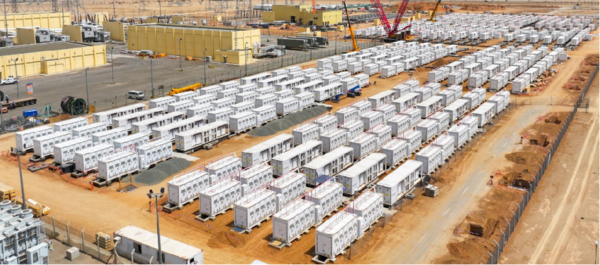
To meet this shortfall, India needs firm power capacity, in addition to what is under construction, that can be deployed quickly. While new thermal or hydro power plants take five years top eight years to build, solar and storage systems can be constructed in just one year to two years and offer a rapid and effective solution to the looming power crisis.
“We find that if India combines 50 GW of solar energy with 15-30 GW of energy storage, near-term power shortages could be avoided,” said Nikit Abhyankar, senior scientist at the IECC. “The good news is that India has achieved record low solar and energy storage prices recently, making [such facilities] much cheaper than building new thermal power plants.”
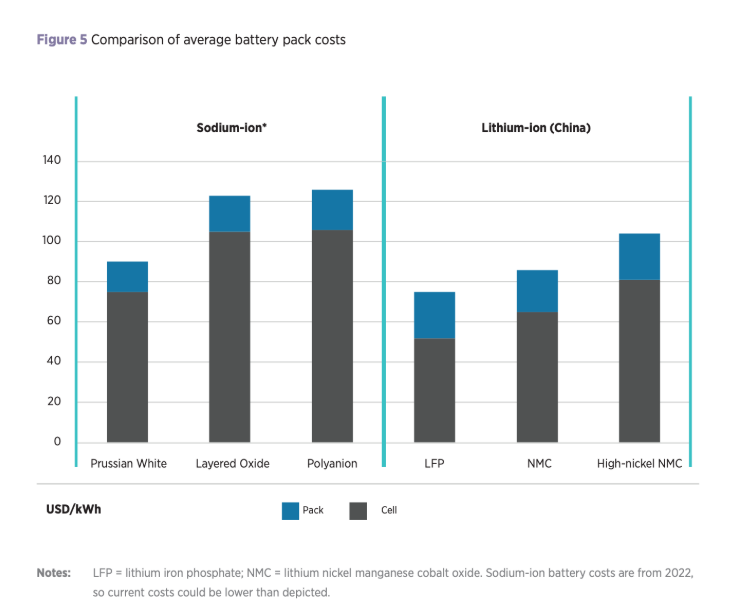
Earlier in July 2024, the Solar Energy Corporation of India (SECI) secured a price of INR 3.41 ($0.04)/kWh for solar plus evening peaking storage. The IECC study projects that price could fall to INR 3/kWh in the next few years. Globally, energy storage prices are at historic lows due to falling material costs and production overcapacity, a trend that is expected to continue.
To achieve the rapid deployment needed to avoid power shortages, the study recommends policy actions such as storage mandates, large-scale procurement auctions, and modest incentives to utilities, including viability gap funding.
“With smart policies, India has achieved some of the lowest renewable energy costs in the world and significant deployment scale, and is beginning to replicate that success for storage,” said Amol Phadke, senior scientist at the IECC. “The key is building low-cost resources that can meet demand after solar hours and building them quickly.”
The IECC study states that while domestic battery manufacturing and supply chains may be a concern, there is significant overcapacity in battery manufacturing globally and that situation is expected to last until 2030. The projected overcapacity is orders of magnitude greater than India’s needs.
The IECC study further highlights that India’s electricity demand will quadruple by 2047. This growth can be economically met with low-cost renewable energy and storage, necessitating a massive expansion to sustainably power rapid economic growth. This offers India a unique opportunity to leapfrog to a clean energy future.
From pv magazine India.
Written by





Popular Posts