Colbún suspends 800 MW desalinated water pumped storage project in Chile

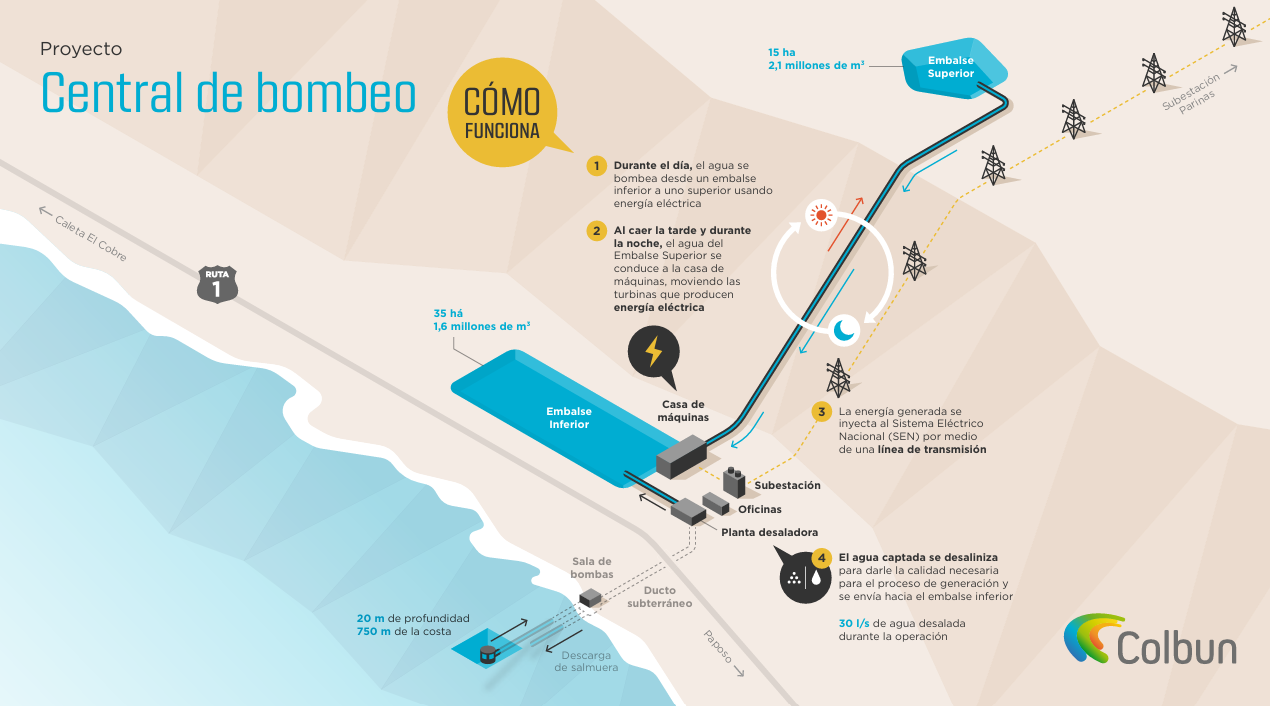
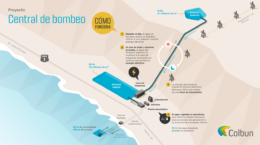
Chilean energy company Colbún has announced the suspension of the Paposo Pumping Central energy storage project, which was planned to use desalinated water from the Pacific Ocean to store energy and use it when it’s most needed.
Colbún submitted the environmental impact study for the Paposo project in June. The Environmental Assessment Service (SEA) of the Chilean region of Antofagasta said the study provided too little information and stalled the project. The utility’s appeal to the decision was now rejected.
Colbún said in a statement that the proposed 800 MW project with a capacity to generate approximately 1,800 GWh per year was “an innovative and unique initiative in Latin America”.
The project with a price tag of $1.4 billion sought to integrate “the generation of renewable energy with storage capacity, as well as desalination infrastructure which would have been able to provide water to the community of Paposo,” in addition to creating local and regional jobs.
In response to the SEA, Colbún said that the Environmental Impact Study of the Paposo Pumping Station Project “contains the relevant and essential information for an adequate assessment of its environmental impacts.”
Also, the relevant process of early citizen participation had been carried out with the communities neighbouring the project.
It also argued that a process of early citizen participation was carried out over two years, including the involvement of the indigenous communities.
“In addition, the authority’s resolution is not very coherent and contains obvious formal errors, issues that go against giving clear signals and providing legal certainty for the advancement of the projects,” the utility said in a statement.
In conclusion, “Colbún has decided to suspend the development of the project and thus duly consider the possible courses of action.”
From pv magazine LatAm
More about
Written by






Popular Posts