2GWh gravitational energy storage project earmarked for mine in Mount Isa, Australia

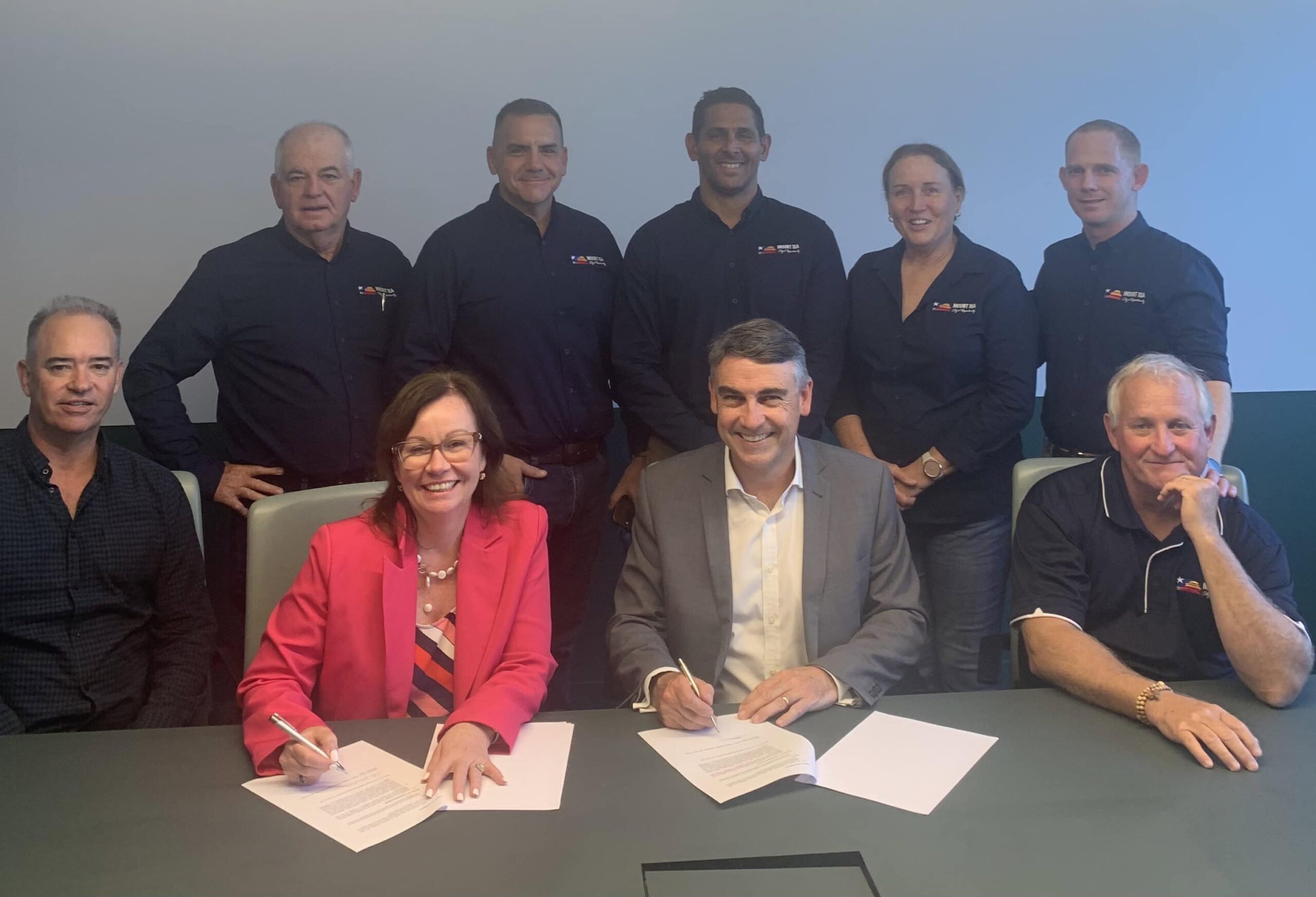
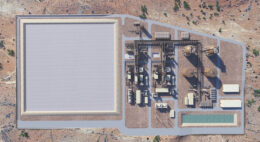
Wollongong-based energy storage company Green Gravity has started regional studies, mine site concept engineering, and local community engagement in Mount Isa, Queensland, 1,800 kilometres northwest of Brisbane, to prepare deployment of up to 2 GWh of gravitational energy storage,
Signing a memorandum of understanding (MoU) with the Mount Isa City Council, Green Gravity is also working with mine site owner, Switzerland-headquartered global resources company Glencore.
The mine site study will assess the viability of repurposing multiple shafts in the former copper mines, which are scheduled to close in the second half of 2025.
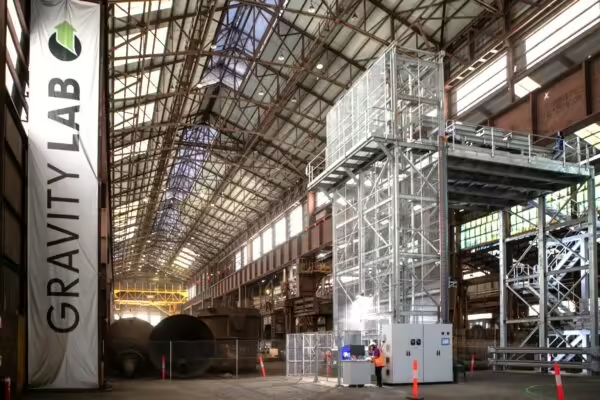
Image: Green Gravity
Mayor of Mount Isa, Peta MacRae, said the partnership with Green Gravity promises to bring significant economic and environmental benefits to Mount Isa.
“The development of a gravitational energy storage system aligns perfectly with our vision for a sustainable and prosperous future,” MacRae said.
“The collaboration also creates new opportunities for local employment and skills development. We look forward to working closely with Green Gravity to make this project a reality and to position Mount Isa as a leader in clean energy innovation.”
Glencore Health, Safety, Environment and Community General Manager Maryann Wipaki said the understanding between Green Gravity and Mount Isa City Council can both repurpose mine infrastructure and contribute to the long-term resilience and success of the Mount Isa community.
Green Gravity recently announced it had secured $9 million (USD 6 million) to fund product development of its utility-scale long-duration energy storage solution.
The company’s system moves heavy weights vertically in legacy mineshafts to capture and release the gravitational potential energy of the weights, with output dependent on shaft depth.
In a large shaft, a 40-metric tonne weight creates the capability to store up to 10 kWh of energy per 100 metres of depth. Shallow shafts are considered 100-150 metres, medium, 300 metres (the height of the Eiffel Tower) and deep shafts, 1,000 metres.
Glencore has set a company target to have net zero total emissions by 2050 with a medium-term emission reduction target of 50% by 2035 and short-term target of a 15% reduction by 2026.
More about
Written by


Popular Posts