Spain’s CIUDEN tests sodium-sulfur battery in conjunction with solar, hydrogen production

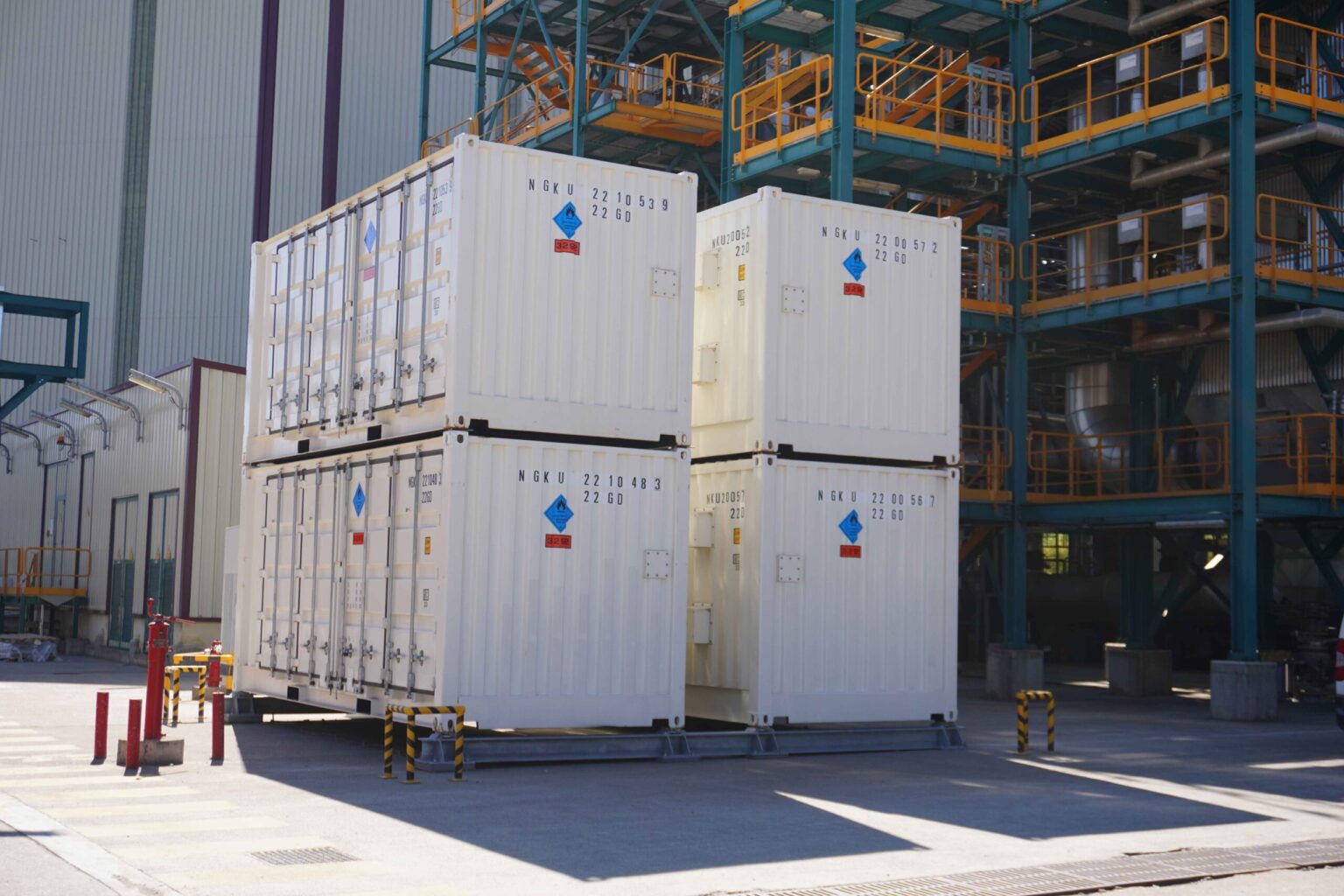
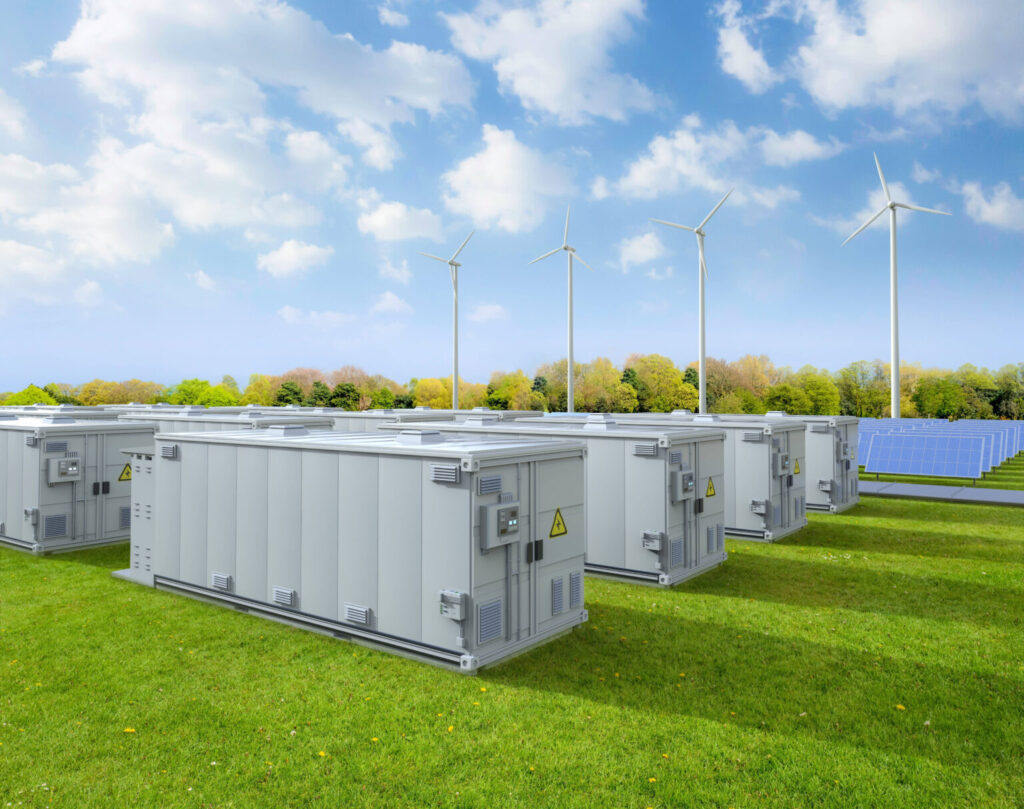
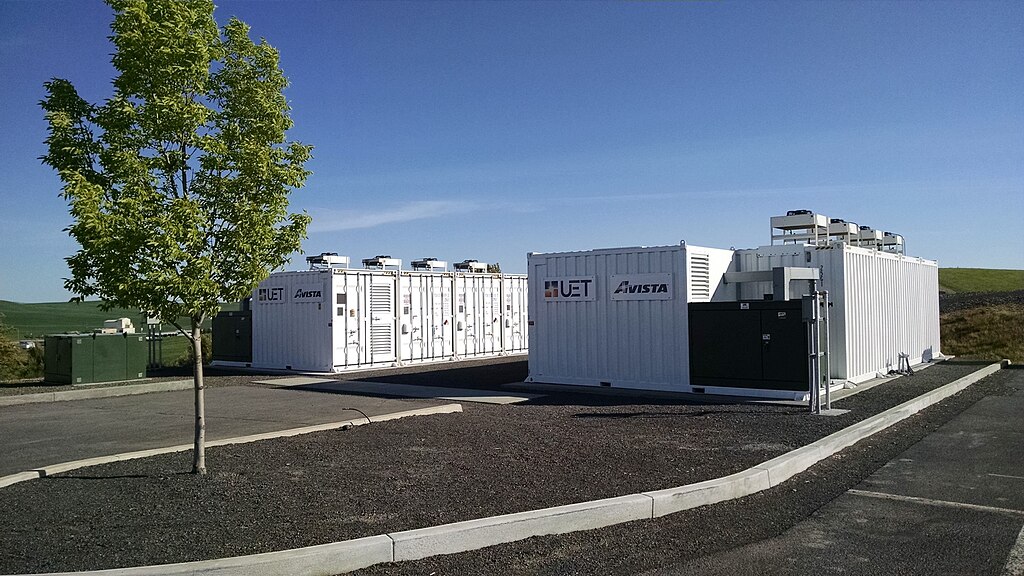
Spanish company CYMI (Control y Montajes Industriales, of the COBRA IS group) has completed operational testing of the sodium-sulfur (NaS) energy storage facility which is part of Integra2H2, an energy storage and green hydrogen production project of the City of Energy Foundation (CIUDEN).
The NaS battery system operates at CIUDEN’s Technology Development Center in Cubillos del Sil, at a temperature of 305 C.
The maximum nominal charge and discharge power of the batteries is 1 MW/750 kW, and the minimum nominal stored energy is 5.8 MWh. Tests included cold start-up, to verify the operation of each unit (e.g., the warm-up and temperature control of the battery system); “hot tests” of the entire system; and operational and performance tests.
NaS technology is based on the electrochemical charge and discharge reactions that occur inside the batteries, between the molten sodium (Na) negative electrode (the anode), and the molten sulfur (S) positive electrode (the cathode). The electrodes are separated by a solid ceramic, sodium beta alumina, which serves as the electrolyte and only permits the passage of positively charged sodium ions. The battery temperature must be maintained at 300 C to 340 C so that the electrodes are in a molten state. For this reason, the system requires separate heaters. The main advantages of the technology are its large storage capacity – due to high energy density – long service life, resistance to high temperatures, the low cost of sodium sulfide, and the availability of such systems’ raw materials.
The project was awarded by tender to CYMI with a base budget of €4.84 million ($5.65 million) and the batteries were manufactured by Japanese company NGK, whose European distributor is the German company BASF.
The CIUDEN facility will be used, with other energy storage systems, to store renewable energy from a 2.1 MWp solar plant and to power two electrolyzers: one of them a polymer membrane system and the other a high-temperature solid oxide electrolysis cell, for the production of green hydrogen.
In February, Norvento Enerxía began commissioning a 600 kVA, 1.33 MWh electrochemical energy storage system which it supplied to CIUDEN.
The green hydrogen production and energy storage project of the Ciudad de la Energía Foundation, a subsidiary of the Ministry for Ecological Transition and the Demographic Challenge, is backed by the European Union’s Recovery, Transformation, and Resilience Plan and Next Generation EU. The project aims to obtain industrial-scale technical data on the various technologies to extrapolate their optimal operating conditions and promote the decarbonization of the industry.
From pv magazine España.
Written by


Popular Posts