Spain sees 88% annual rise in self-consumption batteries

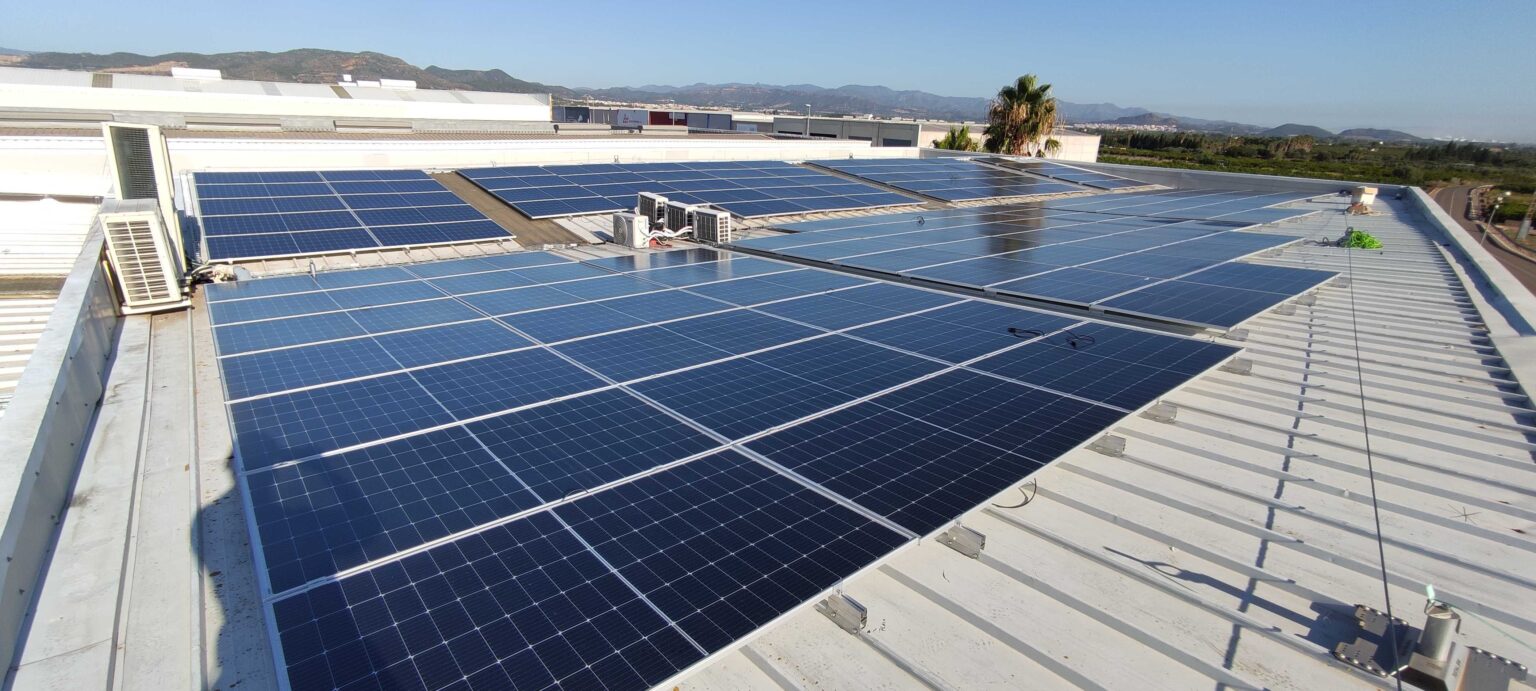
The self-consumption sector of the Spanish market fell 14.6%, year on year, to 611 MW in the first half of 2025, marking a third consecutive annual fall.
Data published yesterday by the Association of Renewable Energy Companies (APPA Renovables) indicated the most notable decline occurred in the industrial sector, which fell 22.9%. Despite that retreat, industry accounted for 70% of the self-consumption market.
Saturation of distribution networks – which complicates the export of surpluses and generates significant losses – and hourly fluctuation in energy prices mean it is difficult for industrial self-consumption to achieve profitability, according to APPA. The association added, distribution network congestion meant €88 million ($103 million) worth of renewable electricity was not injected into the grid in 2024.
By contrast to industrial self-consumption, residential capacity rose 11.6%, year-on-year, in the first half, in response to the April 28 blackout and a reduction in surplus prices. Many of the new residential systems are designed to operate autonomously in the event of grid failure.
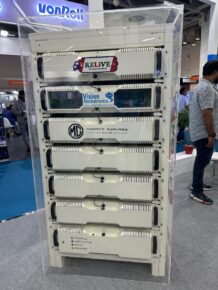
The Iberian peninsular blackout, falling prices for surplus energy, and a need to guarantee supply also drove an 88% annual increase in battery storage capacity, to 146 MWh in the first half.
APPA has called for favorable taxation, supportive storage regulation and other “urgent measures, not necessarily based on direct aid.”
The association wants corporate, property, and personal tax reductions, to help self-consumption investment; and effective implementation of a promised 10% of reserved capacity at transmission and distribution hubs which is yet to materialize.
APPA wants royal decree 244/2019 updated to include measures proposed in decree 7/2025 which fell by the wayside, including expanding the radius for shared facilities from 500 m to 5 km; the creation of self-consumption managers; and an extension of regulation to other self-consumption technology, such as wind, small hydro, and cogeneration with biomass.
The renewables body is demanding urgent reinforcement of distribution networks, to enable self-consumption to reach its potential; and regulation targeted specifically at distributed storage to electrify demand, stabilize energy prices, and offer better integration into the electrical system.
APPA has also proposed a national self-consumption registry of installed-capacity data to facilitate public policy planning and investment decisions.
From pv magazine España.
Written by





Popular Posts