European project to use grid forming loads to stabilize power networks

The UPC’s Center for Technological Innovation in Static Converters and Drives is leading a European project to redesign grids to be more renewables friendly by using grid-forming loads.
Grid flexibility can typically be achieved with energy storage, demand-side management, or by reducing the output of renewable energy sites.
The grid services, grid shaping, and balancing of power necessary to ensure network stability are typically provided on the generation side of grids but the European “Grid Forming Loads to provide maximum flexibility and enable future power systems with very high renewable generation penetration” project is instead proposing the use of grid-forming loads.
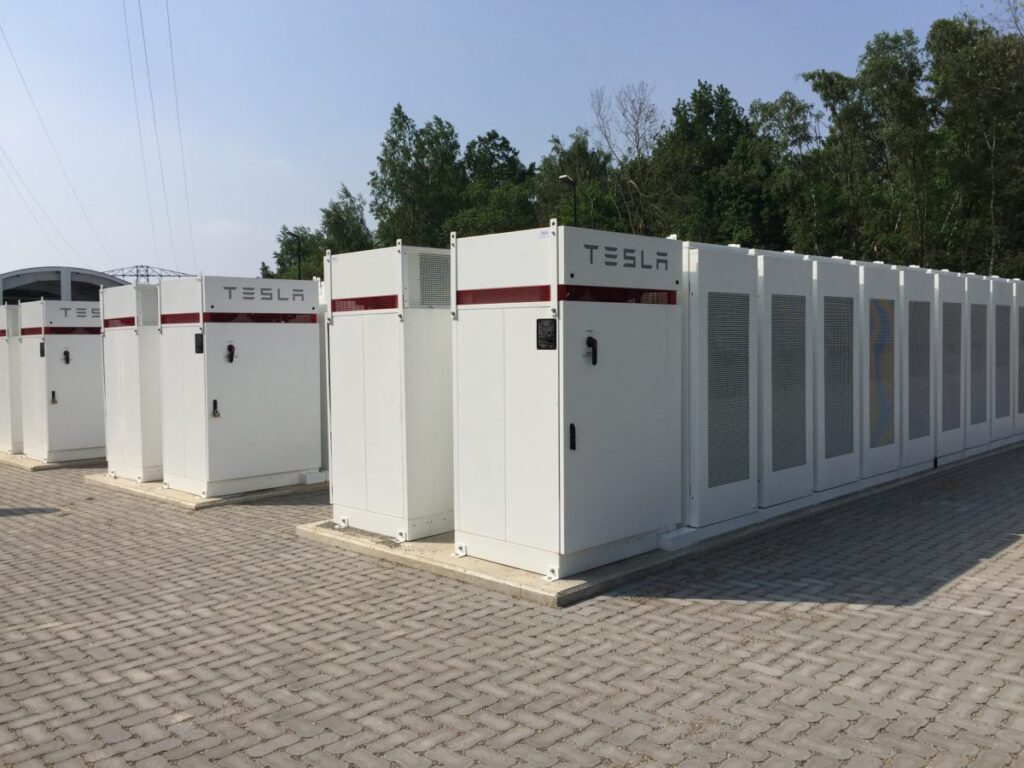
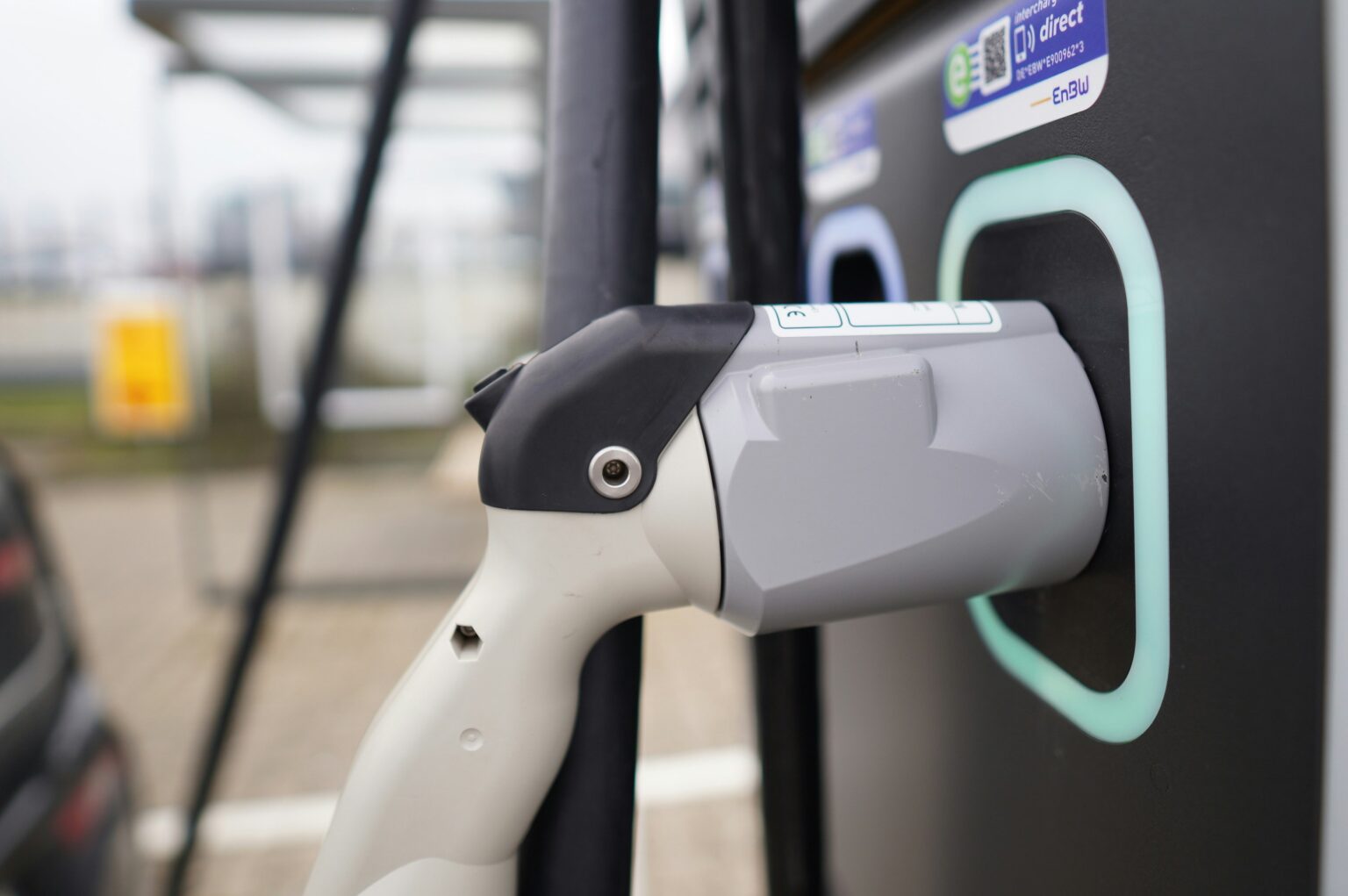
The project posits the use of electric vehicle chargers, storage, and pump drives to help balance grids so that renewable energy generation is not curtailed.
Researchers use trials and system-scale simulations to test an idea which will upend the traditional approach to grids by shifting responsibility for stabilizing networks from electricity generators to consumers.
The 42-month project – which will run through June 2028 – has received €2.5 million ($2.9 million) from the Horizon Europe program and will involve six European research centers and companies.
UPC’s Specific Center for Hydrogen Research is also involved in the initiative.
From pv magazine España.
Written by