Plan-B Net Zero combines battery storage and hydrogen storage in new concept

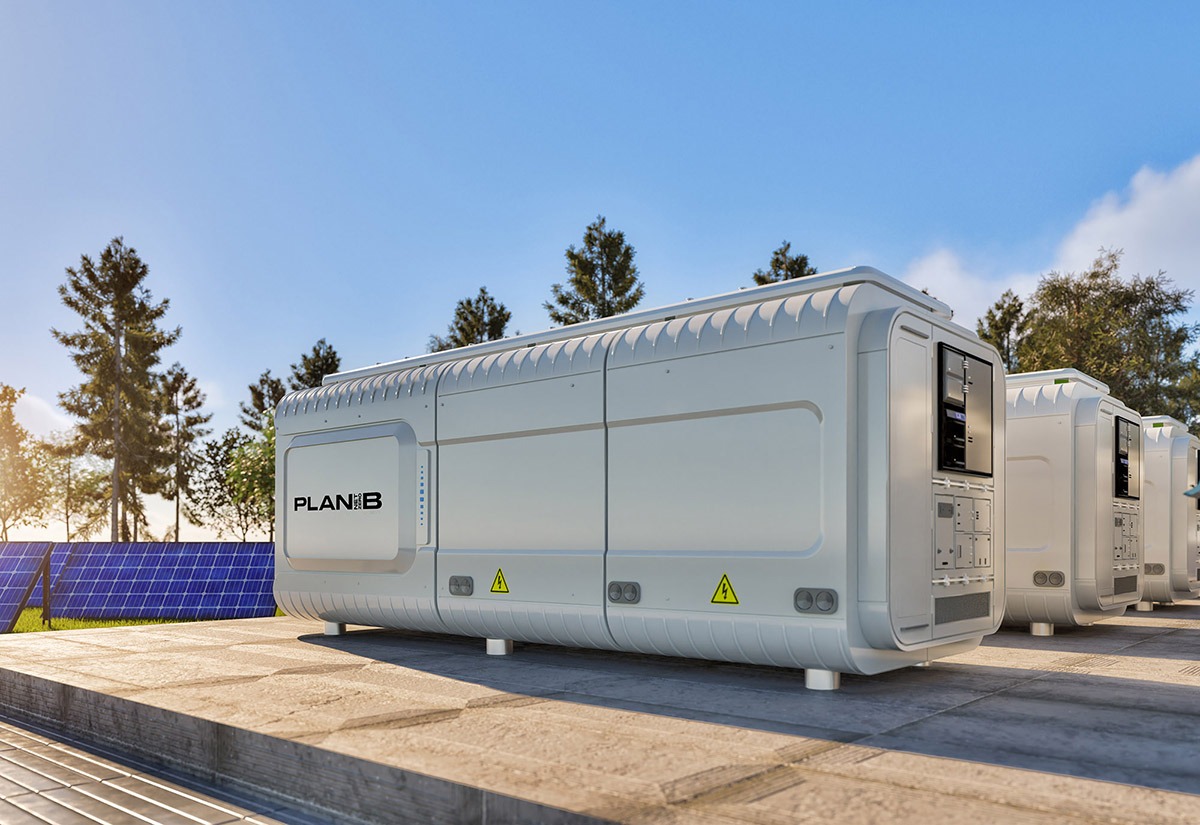
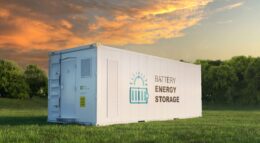
Plan-B Net Zero has presented a concept that integrates battery storage and hydrogen systems for grid balancing, specifying the option as ideal for the grids in Germany, Austria, and Switzerland. The company outlined the approach at the D-A-CH Hydrogen Symposium in Wiener Neustadt this week.
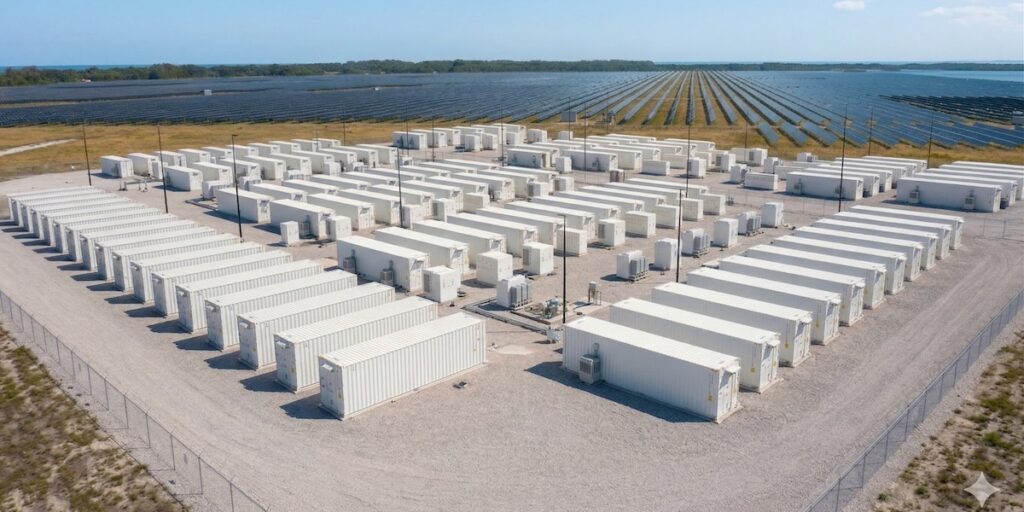
The Swiss company, founded in 2023, proposes using battery energy storage systems (BESS) for short-term grid fluctuations, while making use of stored hydrogen for “seasonal storage,” the company said. The concept then is that battery systems respond within milliseconds to grid imbalances, while hydrogen systems, via fuel cells and turbines, can inject energy over longer durations.
“Traditional grid planning alone is no longer sufficient under these conditions. We need intelligent, decentralised systems capable of responding autonomously to fluctuations,” said Tjark Connor Hennings-Huep, battery systems expert at Plan-B Net Zero, during his presentation at the symposium. He added, “Our goal is an energy system that stabilises itself, digital, decentralised, and decarbonized.”
The company said it is developing a pipeline of approximately 1.3 GWh of battery storage projects. Some of these could be coupled with hydrogen systems, though no specific projects have been confirmed. The company previously announced a 280 MW German battery storage target just a few months ago.
Adding fuel to the plans, Plan-B Net Zero completed a CHF 4.5 million capital raise in September (5.6 million USD), with funding from existing shareholders through a private placement. The company announced that this brought its share capital to CHF 5.0 million. It also previously announced its German subsidiary, which offers renewable energy and sustainability services, was growing revenues to an annual recurring revenue of €120 million. (This extrapolation is often used in startups without disclosing cash flows or profits/losses associated with the revenues.)
AI-based operation
The proposal from Plan-B Net Zero includes AI-based systems to manage the interaction between solar generation, battery storage, and electrolyzers. These would control charging, discharging, and electrolysis processes based on weather forecasts, electricity prices, and grid load.
“Together, these technologies form the bridge to a robust, fully renewable energy system, providing additional flexibility and control parameters when combined,” said Hennings-Huep.
Plan-B Net Zero did not disclose pilots, operating projects, potential sizing, or partnerships in the announcement.
Written by





Popular Posts