Solar-plus-storage dominates latest Australian CIS tender

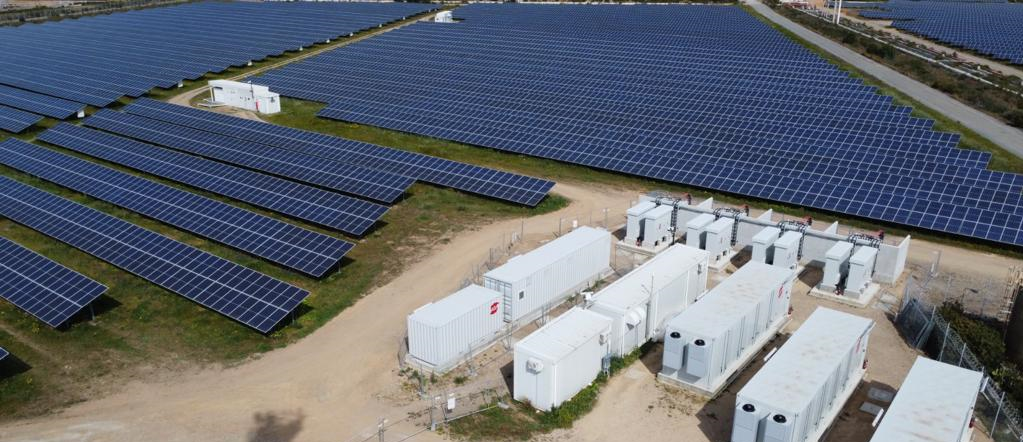
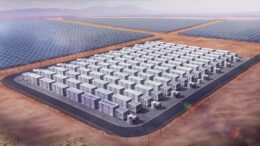
Investor confidence in large-scale, hybrid solar-and-BESS development was clearly demonstrated in tender four of Australia’s CIS National Electricity Market (NEM) Generation program. More than half of the 20 successful bids were for solar-plus-storage sites.
Drawing 84 bids representing 25.6 GW, more than four times the tender’s 6 GW target, 12 of the 20 projects have a combined scale of 3.5 GW/11.4 GWh, enough to support the peak load of over 2.6 million households for four hours.
CIS NEM Generation Tender 4 will be supplied by 11 solar and BESS hybrid projects totaling over 3.4 GW of capacity; one 281 MW solar-only project; seven wind projects, with over 2.5 GW capacity; and one 104 MW/217 MWh wind-and-battery project.
Federal Minister for Climate Change and Energy Chris Bowen said the CIS continues to be popular and competitive, delivering cheaper, cleaner, and more reliable energy for all Australians for years to come.
“We are rebuilding Australia’s energy grid to make it modern, reliable, and fair, and attracting global interest in our wind and solar,” Bowen said.
“The scheme is not only delivering clean power but also creating thousands of high quality jobs, often in remote and rural areas, and opportunities to train the next generation of engineers, electricians, and tradespeople who will build our energy future.”
The biggest winner was New South Wales (NSW)-headquartered Edify Energy, acquired by Canadian investment group La Caisse in September 2025, which won three solar-BESS project tenders. Queensland-based and each of 300 MW/1.2 GWh are the Guthrie’s Gap and Smoky Creek solar power stations.
Edify also won a tender for a solar-plus-battery project in Victoria, for the 300 MW/1.2 GWh Nowingi Solar Power Station.
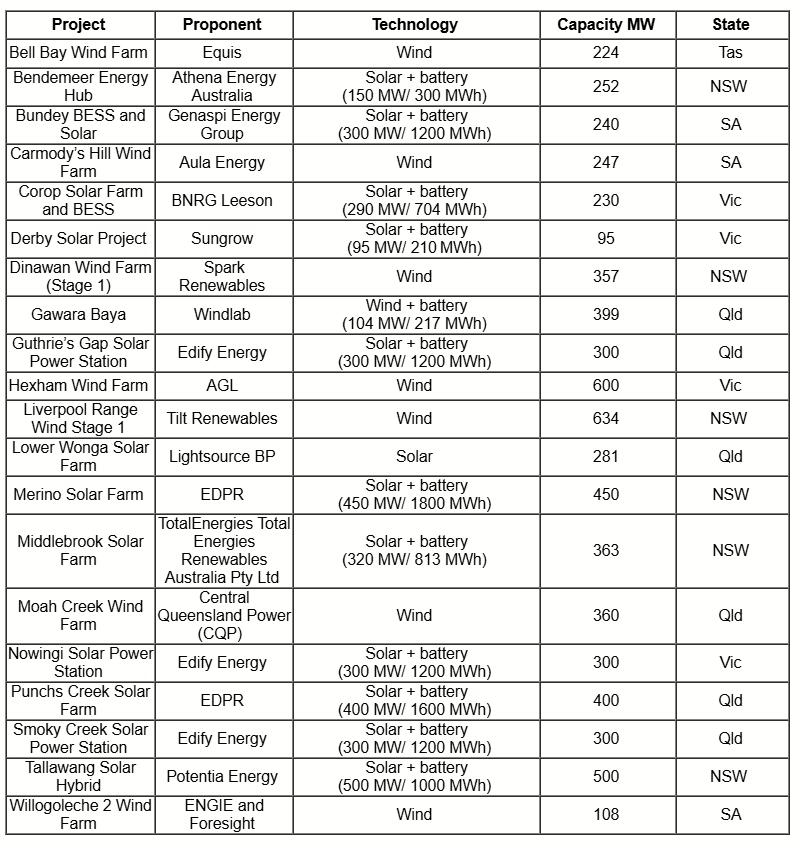
Spain-headquartered developer Energias de Portugal Renewables won two solar battery bids, for its 450 MW/1.8 GWh Merino Solar Farm, in NSW, and the 400 MW/1.6 GWh Punchs Creek Solar Farm located 64 kilometres southwest of Toowoomba, Queensland.
Winners of single bids for solar-BESS projects included Sydney-based developer Potentia Energy, for its 500 MW/1 GWh Tallawang Solar Hybrid, in NSW; and France-headquartered TotalEnergies for its 363 MW/813 MWh Middlebrook Solar Farm, located 22 km south of Tamworth.
Potentia Energy Chief Executive Officer Werther Esposito said the company is delighted its Tallawang Solar Hybrid project bid was successful.
“Once operational, Tallawang will generate 500 MW of solar energy and provide 500 MW/1,000 MWh of storage, making it one of the biggest hybrid projects in NSW,” Esposito said.
“Renewable Energy Zones are set to be the beating heart of Australia’s move to clean energy and the CIS is critical to accelerating this national transition. Potentia Energy is delighted and proud to play a major role.”
NSW-based Athena Energy Australia and Genaspi Energy Group (GEG), Ireland’s BNRG Leeson, and China’s Sungrow were also successful bidders for individual solar-BESS projects.
The largest of these is GEG’s 300 MW/1.2 GWh Stage 1 Bundey BESS and Solar in South Australia (SA), with the final aim to develop a 1.2 GW/3.9 GWh BESS and 900 MW solar farm which will link to the Project Energy Connect to supply SA, NSW, and Victoria.
Of the 20 successful bids, one is for a solar-only project in Queensland, the 281 MW, Lightsource BP Lower Wonga Solar Farm, near Gympie, 174 km north of Brisbane. But hat site will include an adjacent BESS facility.
As well, the projects represent AUD 600 million ($394 million) in local benefits, having committed an estimated AUD 291 million in shared community benefits and AUD 348 million in First Nations benefits.
Three projects include First Nations revenue sharing agreements while others have committed to First Nations subcontracting, training, and workforce development.
Developers will have further opportunities with CIS Tender 7 – targeting 5 GW of NEM generation capacity – now open for registration and accepting bids from Tuesday, followed by the next dispatchable capacity round, in late November.
This article was updated at 1:10 p m on Oct. 9 to include content from Potentia Energy.
From pv magazine Australia.
Written by


Popular Posts