Flexible grid connection agreements and compensation trade-offs

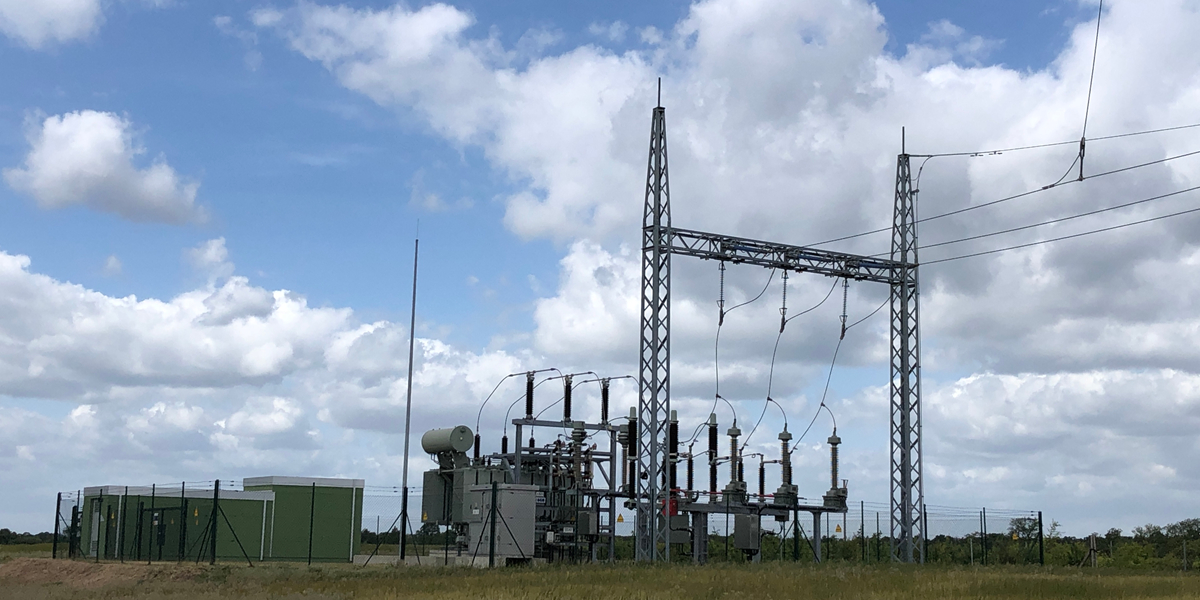
Grid operators are legally obliged to connect renewable energy plants to the network as quickly as possible and to enable electricity to be fed into the grid. That is a fundamental requirement of Germany’s Renewable Energy Sources Act (EEG), according to the Environmental Energy Law Foundation.
Such renewables adoption cannot always be immediate as grids are not always sufficiently developed and the foundation has noted flexible grid connection agreements now form part of the EEG. Flexible agreements consist of renewable energy site owners agreeing to restrict the amount of electricity they will feed in to the grid, without receiving compensation for the agreed shortfall. In return, operators receive a conveniently sited grid connection point, according to Tobias Klarmann, of the Environmental Energy Law Foundation.
The foundation has produced the “Distribution grids as a bottleneck for the expansion of renewables – inventory of the legal framework and development of legally feasible further development options” report to classify how flexible grid connection will work in practice. The document was produced as part of the RE [renewable energy] Grid Integration research project.
The new type of connection agreements do not alter the EEG stipulation that network operators may only refuse clean energy grid connection in “rare, exceptional cases,” and that lack of grid capacity cannot be used as a reason for refusal. It is still the case, the report’s authors stated, that “the grid follows the plant and not the other way around.” In other words, clean energy sites must have immediate connection, even if the grid does not have sufficient capacity or has not been sufficiently optimized to ensure all the clean power fed in will be consumed.
“Grid connection and electricity feed-in must be considered separately,” said Johannes Hilpert, project manager at the Environmental Energy Law Foundation. “In principle, this does not create problems for grid security. If complete electricity feed-in is not yet possible, the grid operator regulates the feed-in. This is called redispatch.” Plant operators then have a legal right to compensation.
The EEG does, however, entitle the grid operator to choose where plants are grid connected, which can have heavy cost implications for renewables operators if connections are far from the generation site.
“Due to the requirements of the Renewable Energy Sources Act, the grid connection point is determined primarily on the basis of the overall economic costs, which in turn are significantly influenced by the existing grid capacities,” said report co-author Alina Anapyanova.
Flexible grid connection agreements, regulated since February, aim to optimize the grid connection process.
The report’s authors conclude flexible grid connection agreements create new scope for plant and grid operators while not changing the “unconditional grid connection entitlement” for renewables enshrined in the EEG. With compensation for redispatch of electricity protected by EU law, that payment can only be waived by generators on a voluntary basis.
From pv magazine Deutschland.
Written by




Popular Posts