Engie’s 800 MWh Belgian battery now fully operational, expansion on the cards

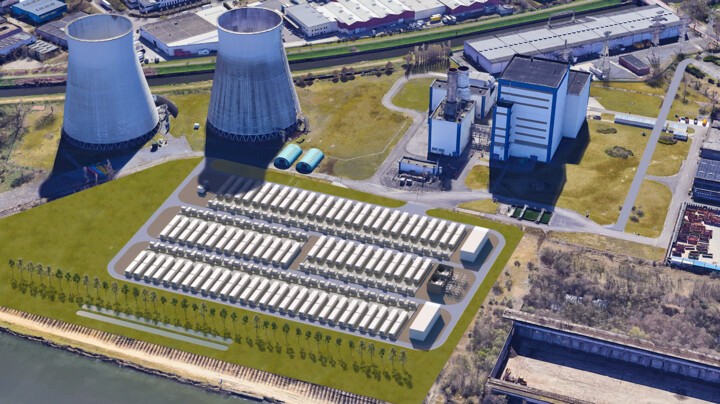
Just a few weeks after starting commercial operation of the first half of its battery park in Vilvoorde, Engie has also connected the second 100 MW/400 MWh portion to the high-voltage grid.
This milestone marks the full commissioning of the entire 200 MW/800 MWh capacity, making it one of Europe’s largest battery parks. The BESS project located at Engie’s Vilvoorde gas power plant site, north of Brussels, was completed barely 16 months after the groundbreaking ceremony and two months ahead of schedule.
The French energy major said in a press release last Friday that it is now exploring the possibility of expanding the Vilvoorde project with a third section, which would bring total capacity to 300 MW/1,200 MWh. It confirmed that the decision on the possible expansion of the Vilvoorde battery park by an additional 100 MW / 400 MWh will be made by early 2026, subject to permits and grid connection.
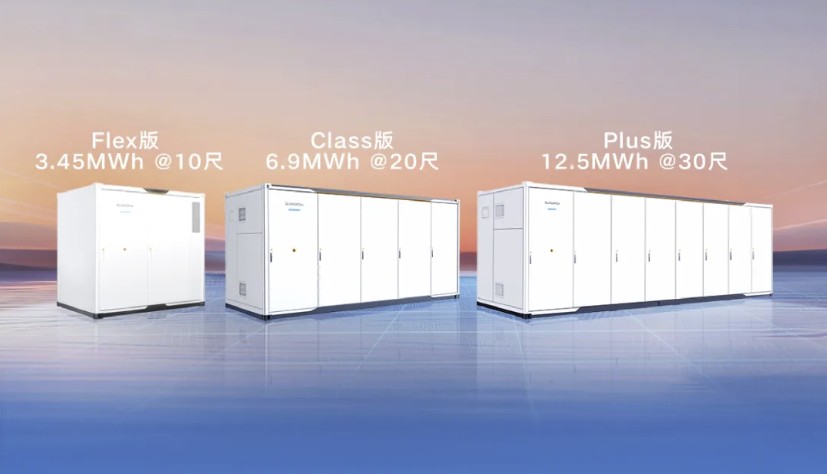
Presently, the Vilvoorde site deploys 320 of Sungrow’s PowerTitan liquid-cooled battery energy storage units.
Vincent Verbeke, CEO of ENGIE Belgium said: “Flexible production and storage technologies are at the heart of Engie’s strategy, essential for the transition to a carbon-neutral energy system based on renewable energy sources. With our battery projects, we are putting this strategy into practice, contributing to a sustainable economy. By Q4 2027, Engie will operate 380 MW / 1.5 GWh of battery storage capacity in Belgium, supporting security of supply and grid stability.”
Engie said that its upcoming milestones include progress on the 100 MW/400 MWh BESS Kallo projects, which is presently under construction, and the 80 MW/320 MWh BESS Drogenbos project, whichis backed by a 15-year capacity contract starting in November 2027.
Written by



Popular Posts