Hungary announces residential battery energy storage subsidy program

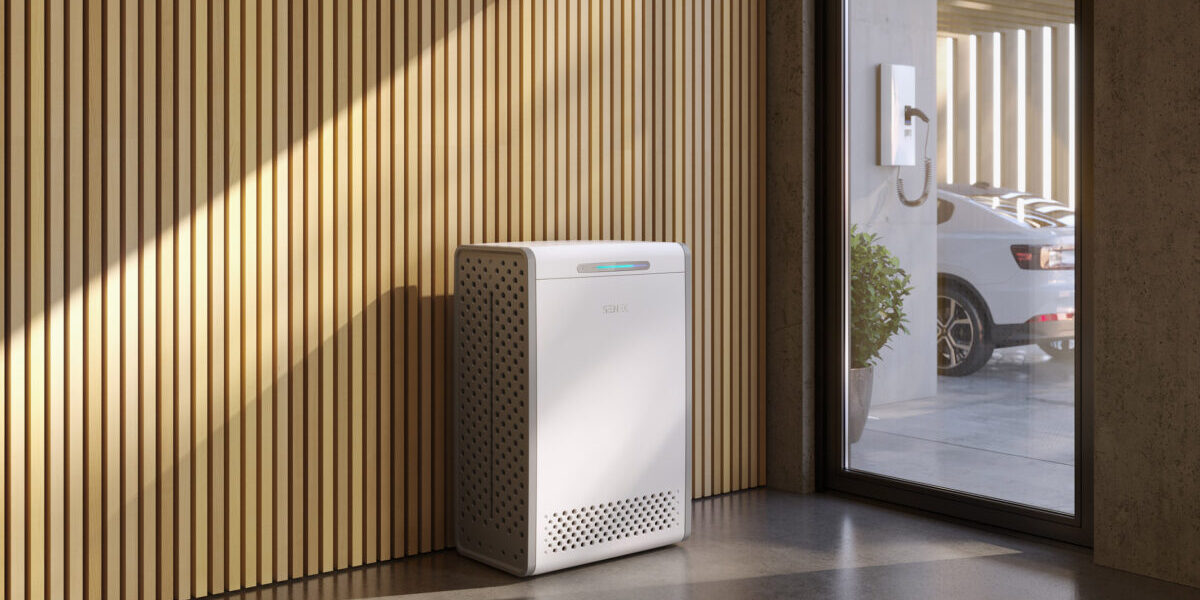
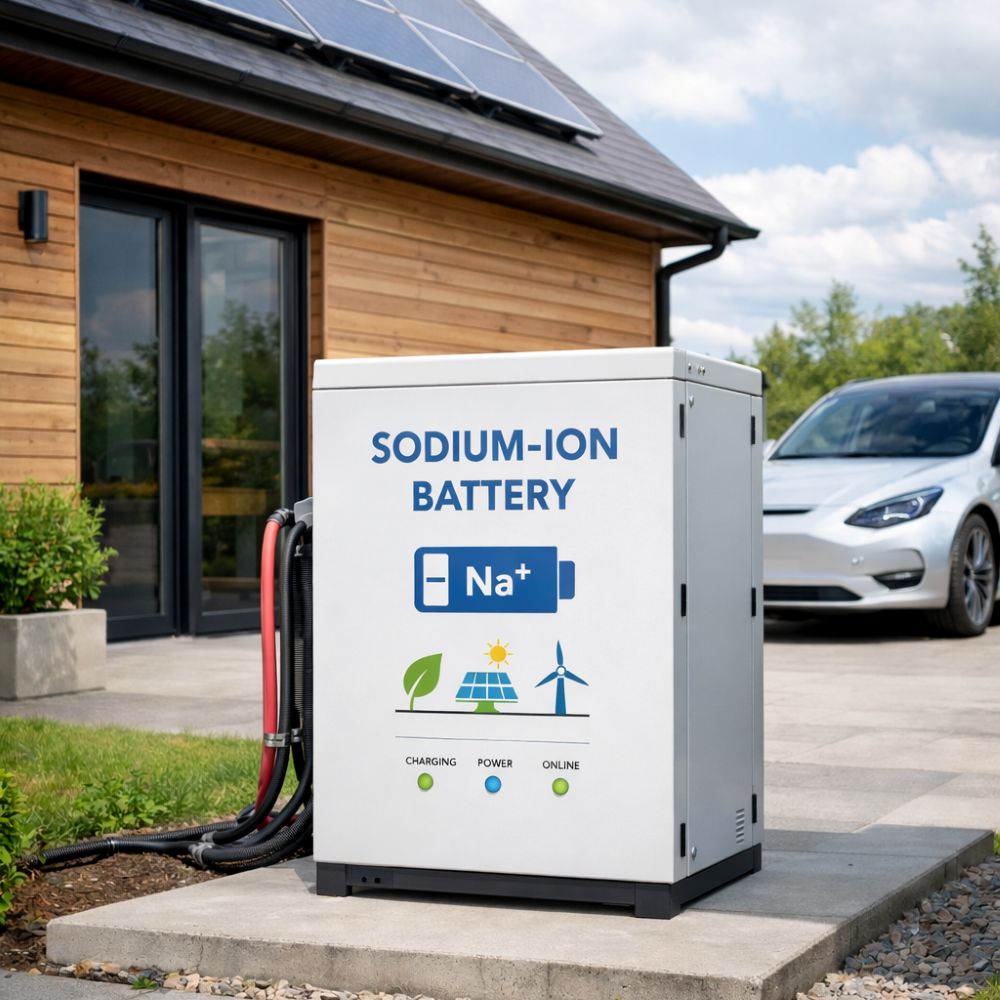
The Hungarian government has launched a residential energy storage program with a budget of HUF 100 billion. Under the initiative, households can install 10 kW battery energy storage systems, with a non-refundable subsidy of HUF 2.5 million to support the purchase.
Prime Minister Gergely Gulyás said on Wednesday that the program aims to help families with solar panels – or those planning to install them – store their own electricity and increase energy self-sufficiency.
Following the announcement, Gábor Czepek, Parliamentary State Secretary at the Ministry of Energy, confirmed on Facebook that the government would release further details on the tender by mid-January and open applications for families in early February.
According to Czapek, with the 2.5 million HUF subsidy, the government covers over 80% of the approximately HUF 3.2 million cost of the battery and inverter for families.
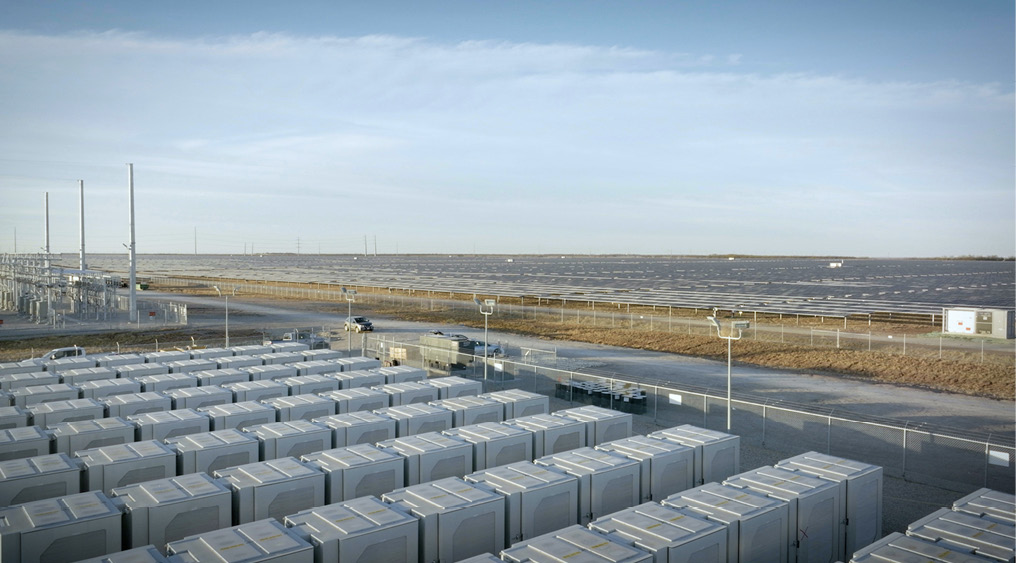
“Hungary ranks first globally in terms of electricity generated relative to solar panel capacity. Solar plants produce massive amounts of electricity during the day, but peak demand occurs in the late afternoon and early evening, making energy storage essential to retain electricity for several hours,” Czepek said.
In addition to the newly announced residential program, applications for companies and industrial energy actors are already open to support energy storage projects with a total value of HUF 230 billion. An additional 50 billion HUF incentive for industrial energy storage installations with or without onsite renewable energy is launched through the Jedlik Ányos Energy Program.
In 2026, the government plans to expand further to strengthen storage capacity, with additional announcements expected, Czepek added in his Facebook post.
Written by




Popular Posts