Mexico updates distributed generation rules to formally integrate energy storage

From pv magazine Mexico
Mexico‘s Energy Regulatory Commission (CRE) has opened a consultation on proposed changes to the provisions for distributed generation, redefining key elements of the current regulatory framework. The draft introduces technical and operational changes affecting both photovoltaic systems and hybrid configurations with storage.
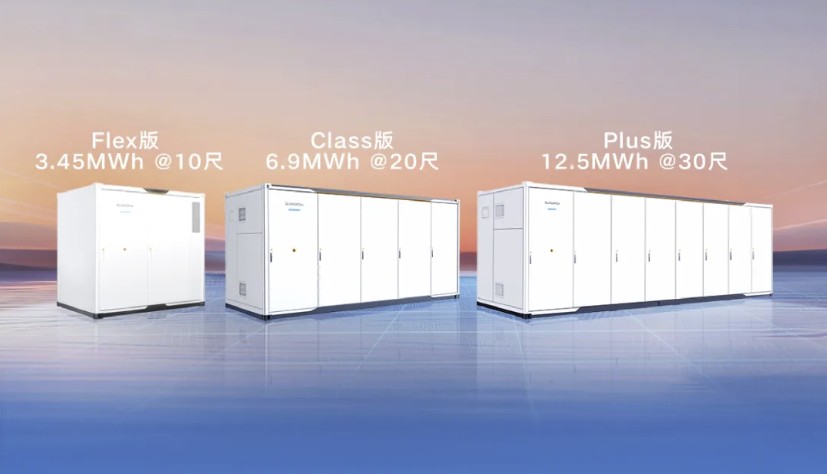
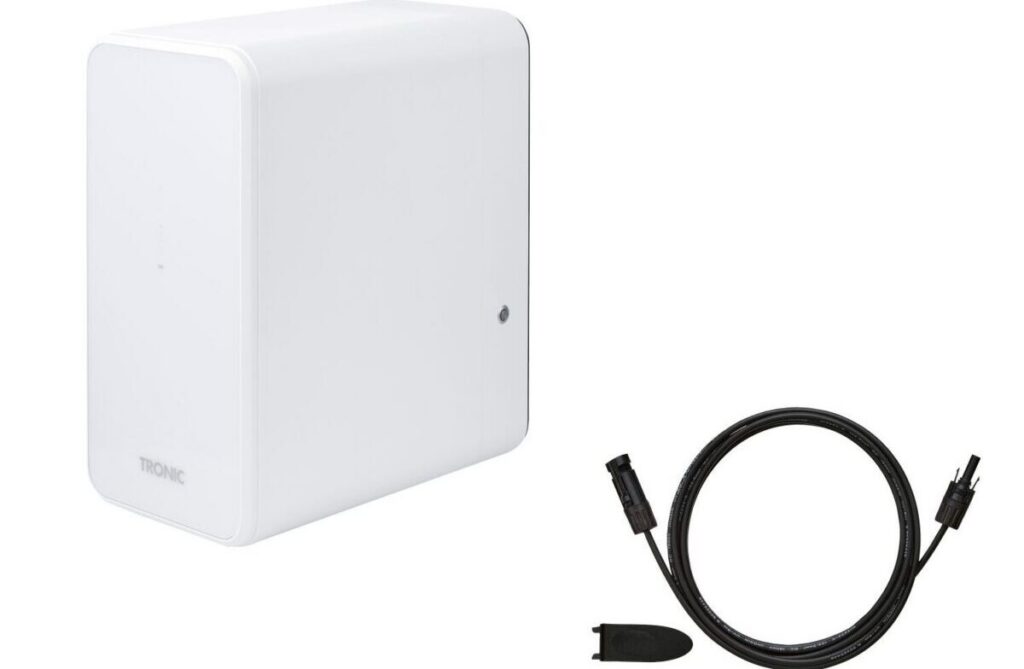
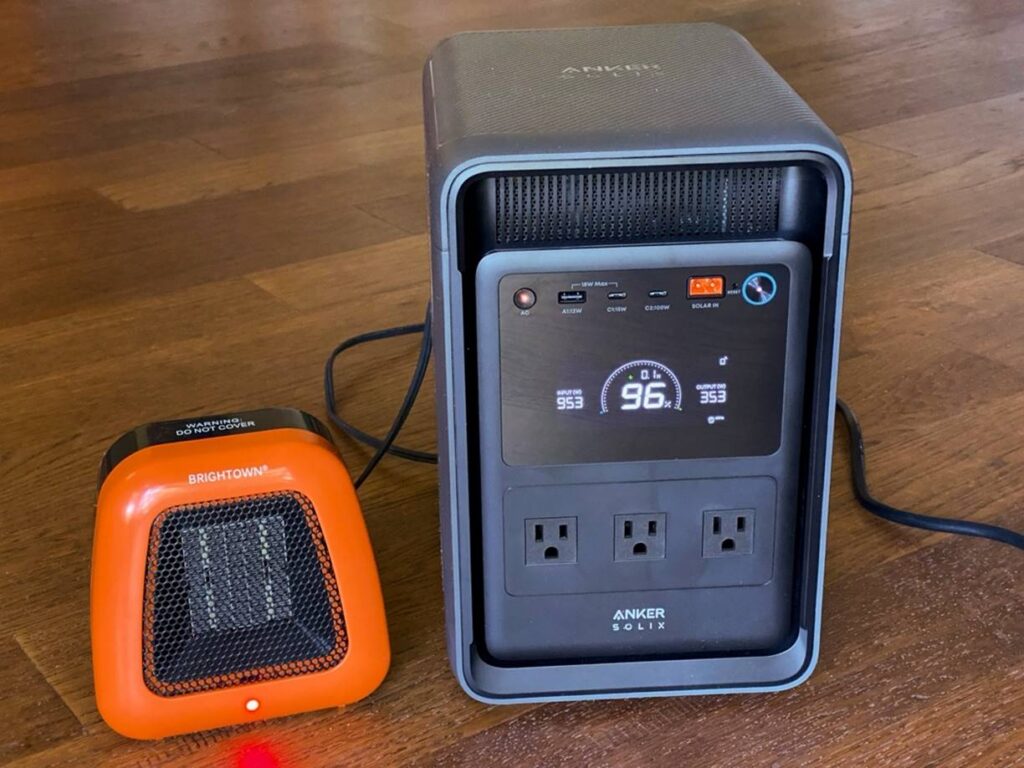
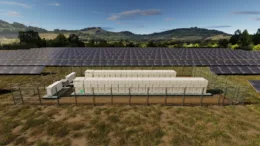
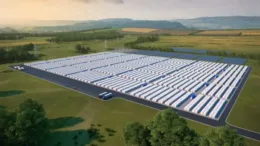
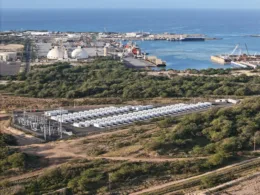
One of the most relevant updates is the explicit inclusion of energy storage within distributed generation facilities. This change formally recognizes battery-equipped systems, which were not clearly defined under the previous framework focused primarily on stand-alone generation.
The proposal also revises capacity limits and classification criteria. While the general threshold of up to 500 kW is maintained, it clarifies how capacity is measured (AC or DC) and how hybrid systems are accounted for, addressing ambiguities in the current regulation.
In terms of interconnection, the draft introduces more detailed procedures and technical requirements, including clearer guidance on required studies and stakeholder responsibilities. It also strengthens criteria for grid impact assessments compared to the more general provisions in force today.
The update further modifies metering and settlement rules, including provisions for surplus energy in systems with storage. This adds operational complexity relative to the existing framework, which is oriented toward instantaneous generation without integrated energy management.
Additionally, the draft aligns technical definitions with broader electricity-sector regulations, improving regulatory consistency. Several terms are updated to reflect developments in storage technologies and demand-side management.
Finally, the proposal adjusts timelines and administrative processes for interconnection permits and contracts, clarifying roles for users, suppliers, and grid operators. While these changes aim to reduce procedural uncertainty, they also introduce stricter documentation and technical compliance requirements.
Mexico’s National Commission for Regulatory Improvement (CONAMER) recently outlined requirements for obtaining generation permits for interconnected self-consumption at power plants between 0.7 MW and 20 MW.
In February, President Claudia Sheinbaum unveiled the National Electric System Expansion Plan 2025-30, designed to add 13.02 GW of new power capacity over six years.
The plan includes nine photovoltaic projects totaling 4.67 GW with a $4.9 billion investment, expected online between 2027 and 2028, and seven wind projects for 2.47 GW requiring $3.2 billion in investment.
Written by


Popular Posts