Irish regulator plans to reduce grid fees for energy storage

The Irish energy regulator, CRU, is seeking stakeholder input in its plan to change electricity transmission network charges for energy storage. This is happening against the backdrop of a long and drawn-out period of planned reforms for Irish energy storage as the country tries to find a way to open its market structure to the increased storage capacity its system needs.
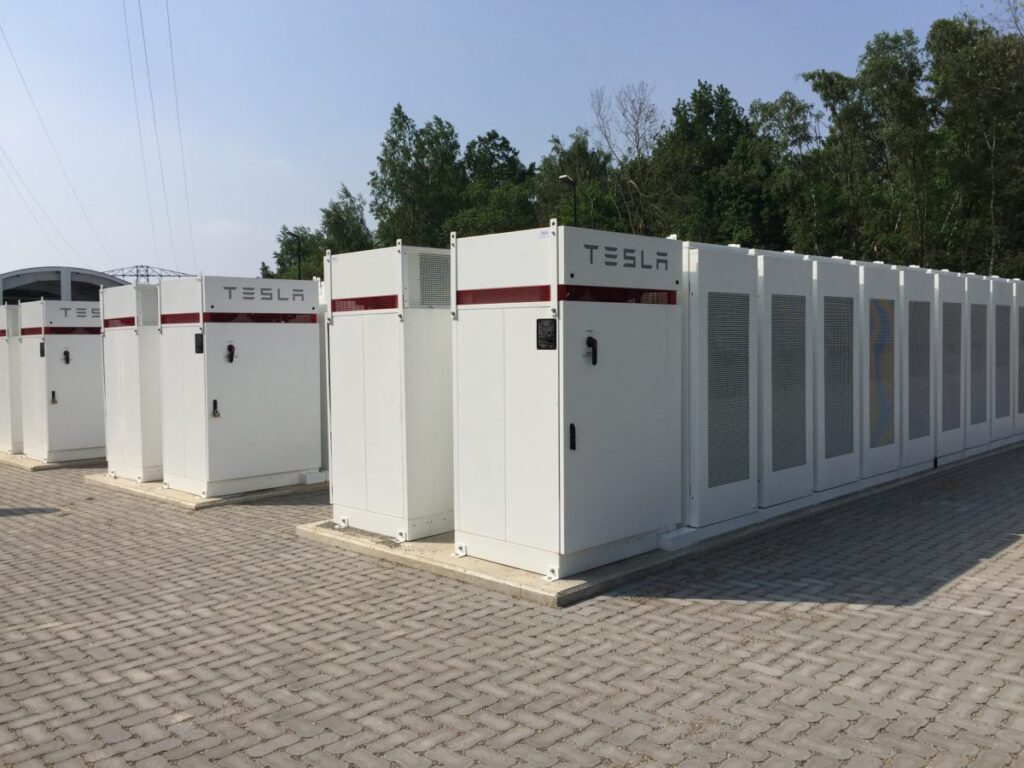
Since 2020, battery energy storage systems (BESS) in Ireland have been exempt from paying demand Transmission Use of System (TUoS) charges – typically applied to large electricity consumers – to avoid double charging.
Now, CRU intends to extend this approach to all energy storage technologies to be clearly defined and explicitly charged as generation and has opened a consultation on the proposal until May 13.
The regulator noted that the exemption was introduced because applying both demand and generator TUoS charges to storage could have created a barrier to market entry and undermined project viability. However, it acknowledged that since then both the level of investment in energy storage units and their role in the Irish system have “changed substantially.”
“Energy storage units, which typically provided system support, are now able to participate in the wholesale market providing flexibility by storing energy during times of high availability for export into the system during low availability,” the regulator noted.
The proposed changes would apply ahead of completion of a wider review of electricity network tariffs, the CRU said.
“Energy storage is playing an increasingly important role in Ireland’s electricity system,” the organization said in a statement. “The CRU expects the proposed interim arrangements to deliver overall net benefits for customers by supporting lower electricity prices over time. This could be achieved by enabling energy storage units to store electricity when supply is abundant and release it when demand is higher, helping to reduce balancing costs, curtailment and redispatch.”
If implemented, all energy storage units will pay only generator use of system charges for the 2026/2027 tariff year, beginning on 1 October, 2026.
The decision would apply to standalone energy storage units and energy storage units co-located with other forms of generation. It would not apply to storage co-located with demand.
The call for feedback on intended grid fees reform follows the CRU’s decision to allow co-located projects to operate behind one grid connection point while sharing a single maximum export capacity allocation.
This move makes it easier, faster and cheaper for developers to connect their hybrid projects in Ireland and encourages more hybrid and co-location renewable energy facilities such as storage and wind or storage and solar. Ireland has one of the highest dependencies on wind generation in Europe but it also loses a lot of this generation to curtailment as its system cannot process the volumes generated.
Longer term, Ireland’s BESS stakeholders are awaiting their ability to participate fully in the balancing market (in addition to the real-time energy market) and the implementation of competitive auctions to replace the current fixed tariff model.
Written by
Comments