Moldova’s largest BESS, built by Huawei, now inaugurated and commissioned

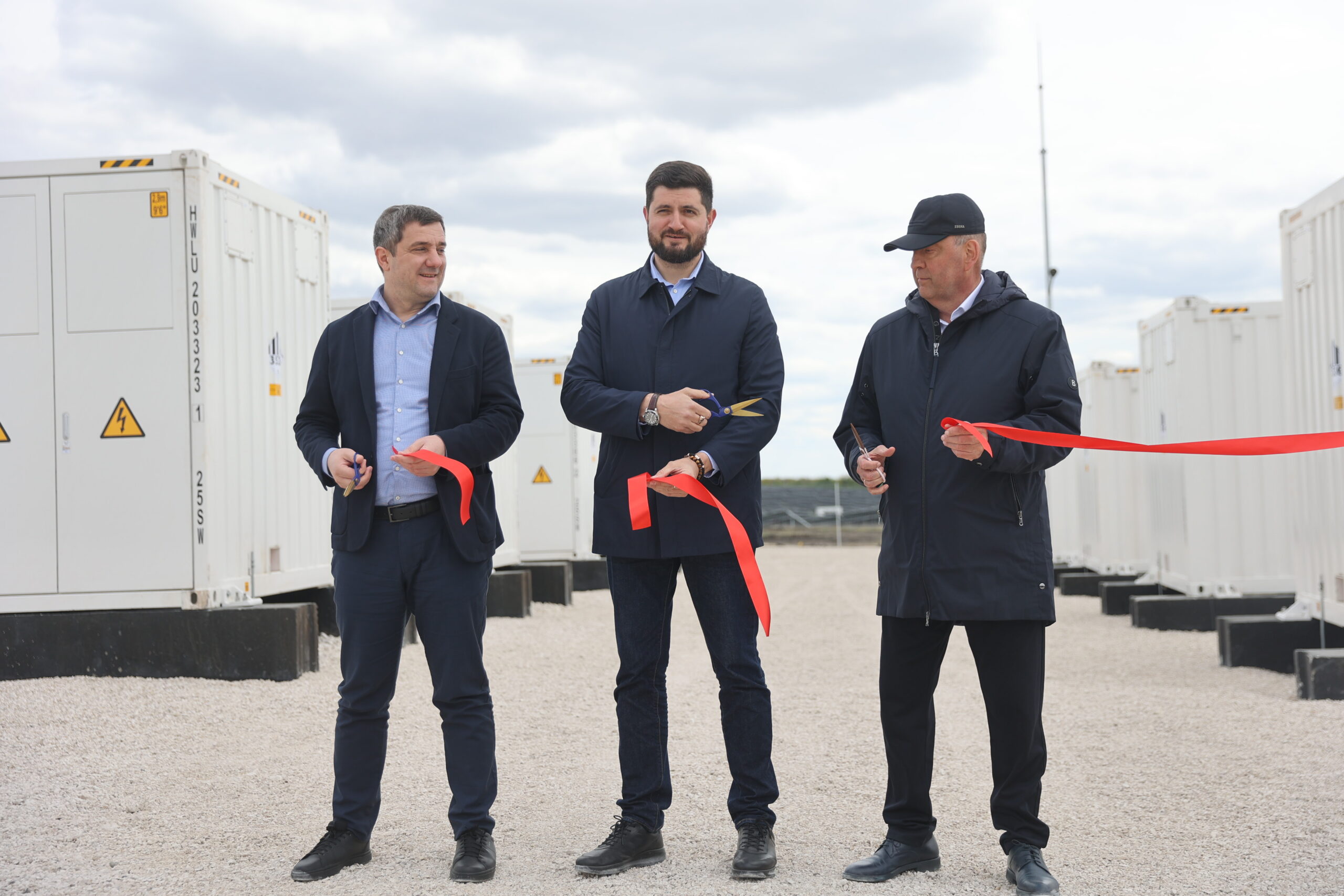
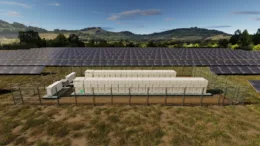
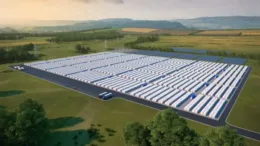
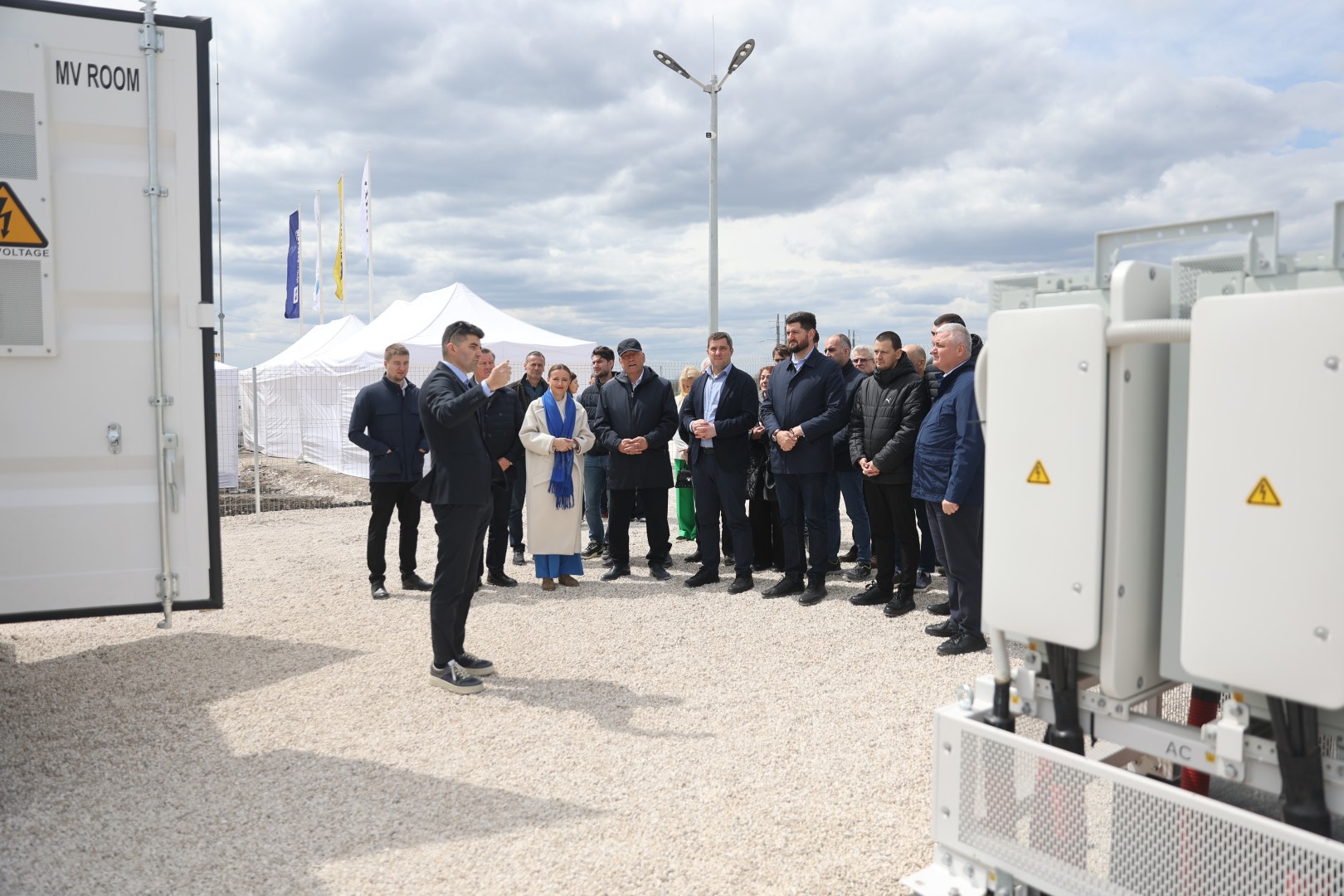
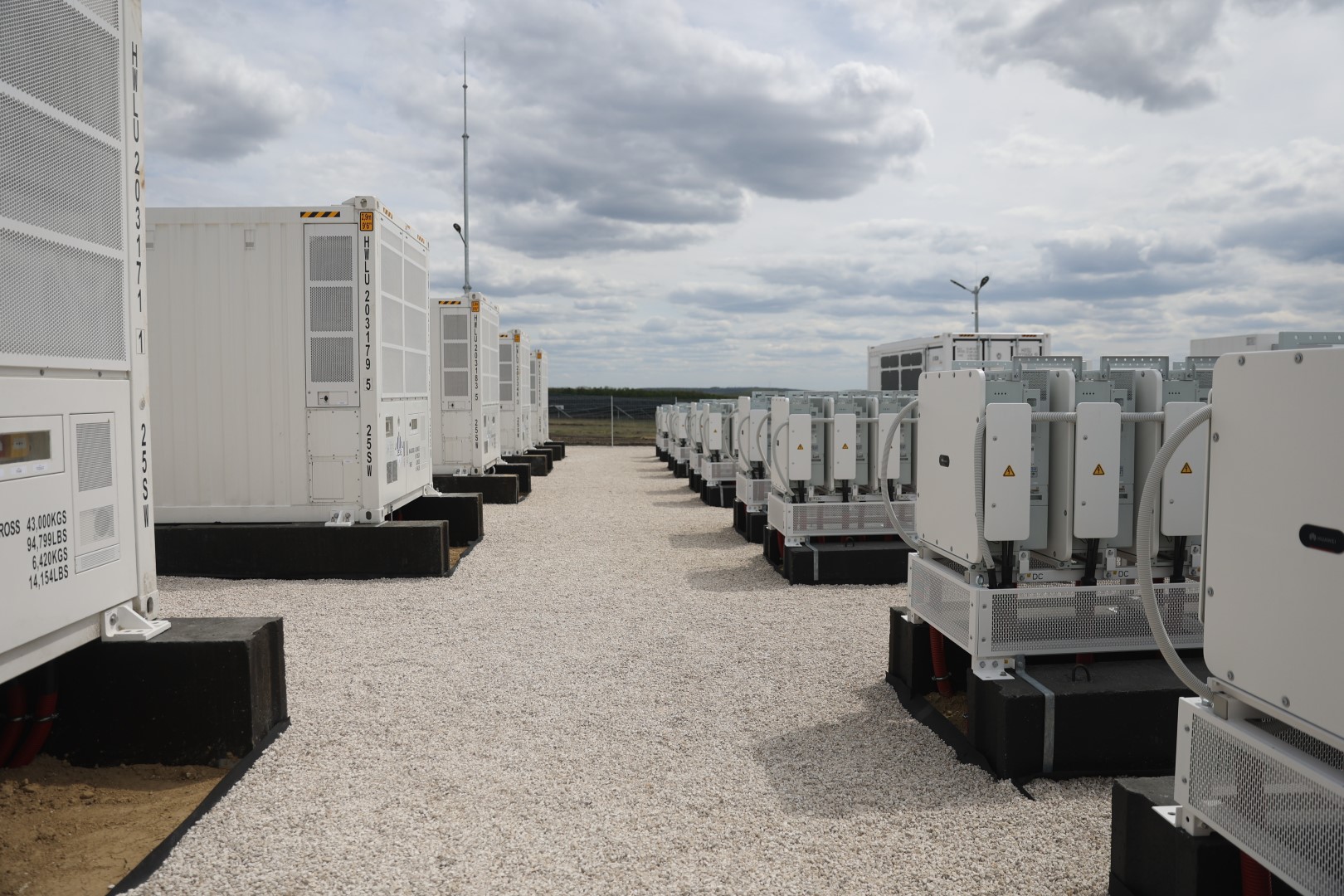
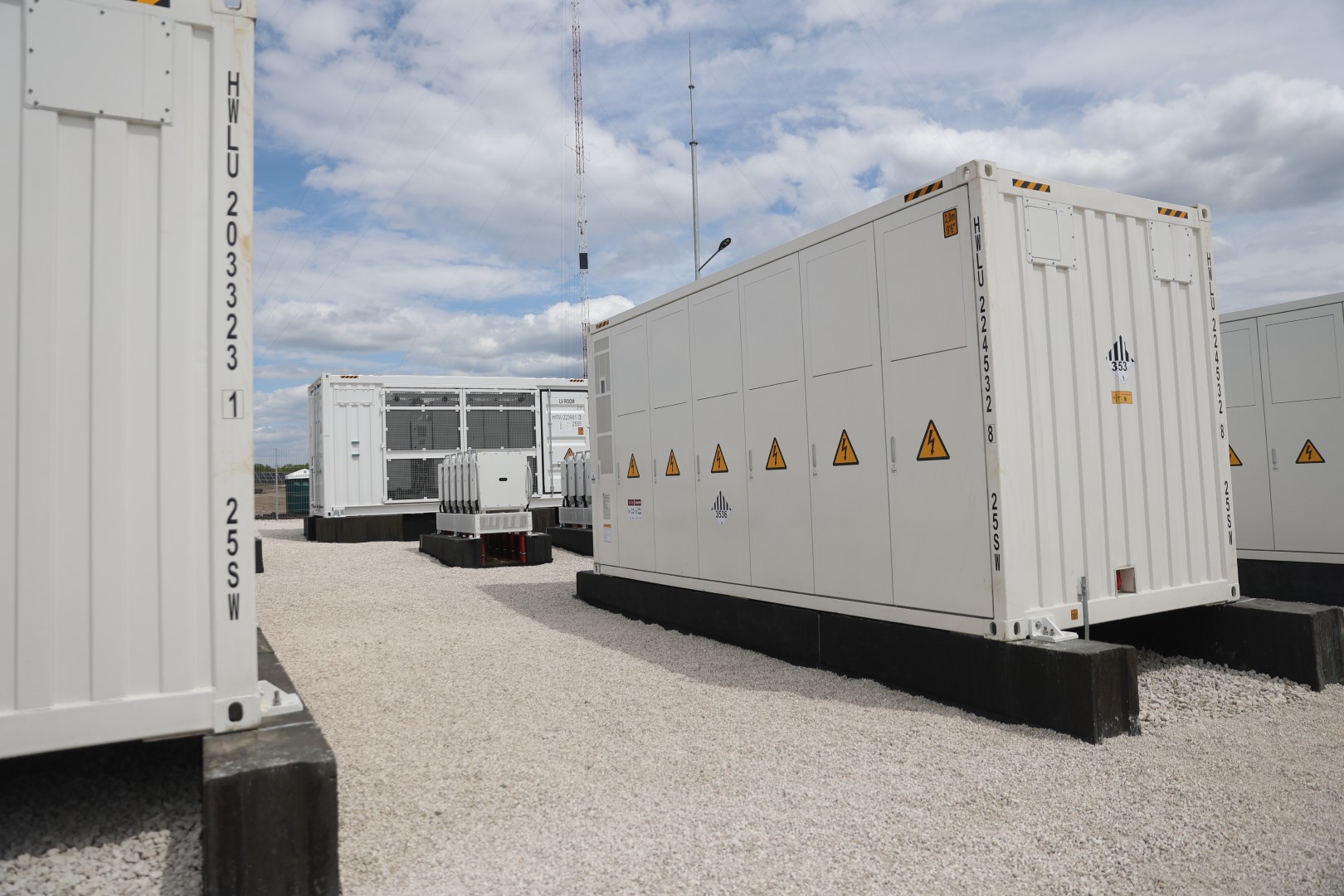
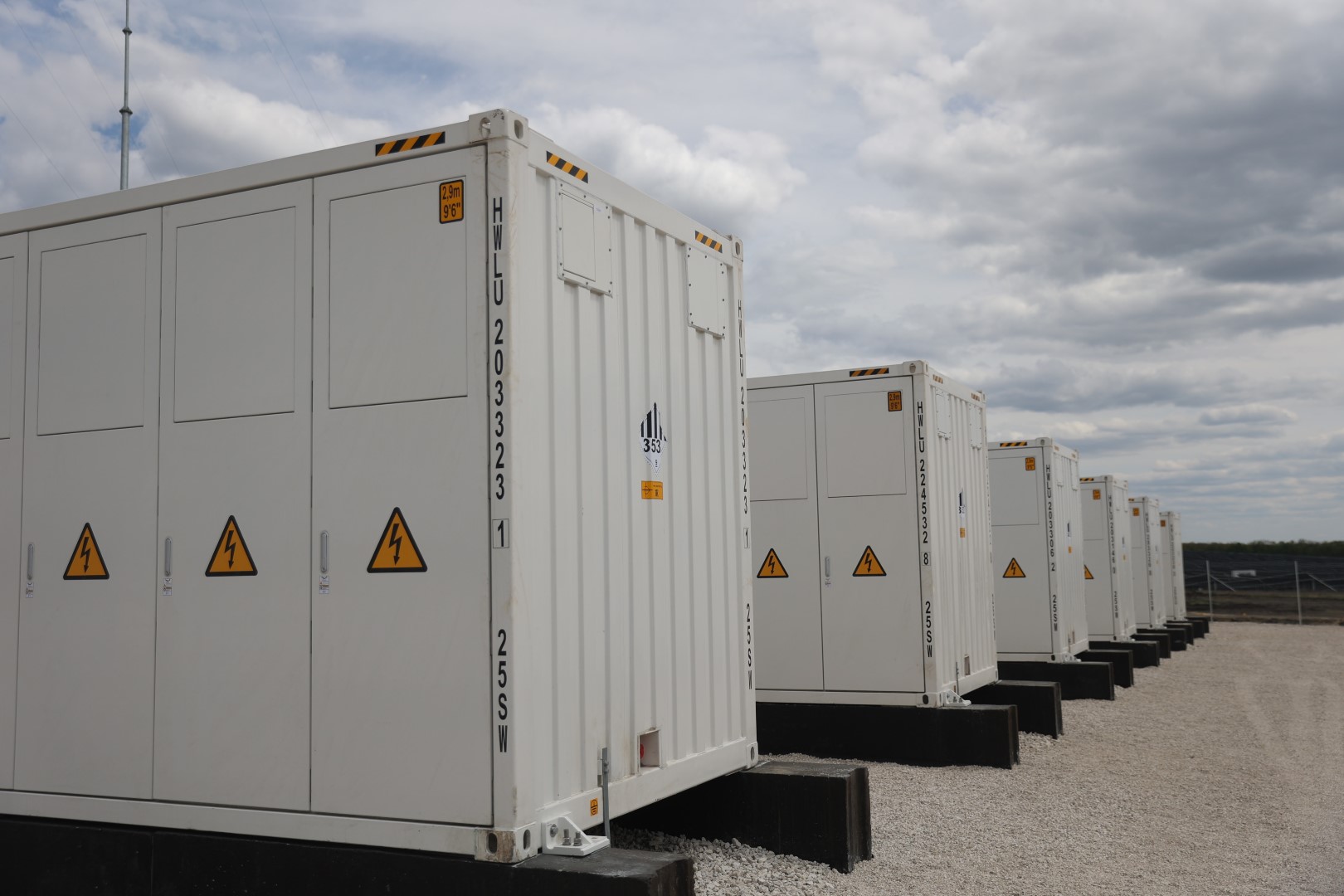
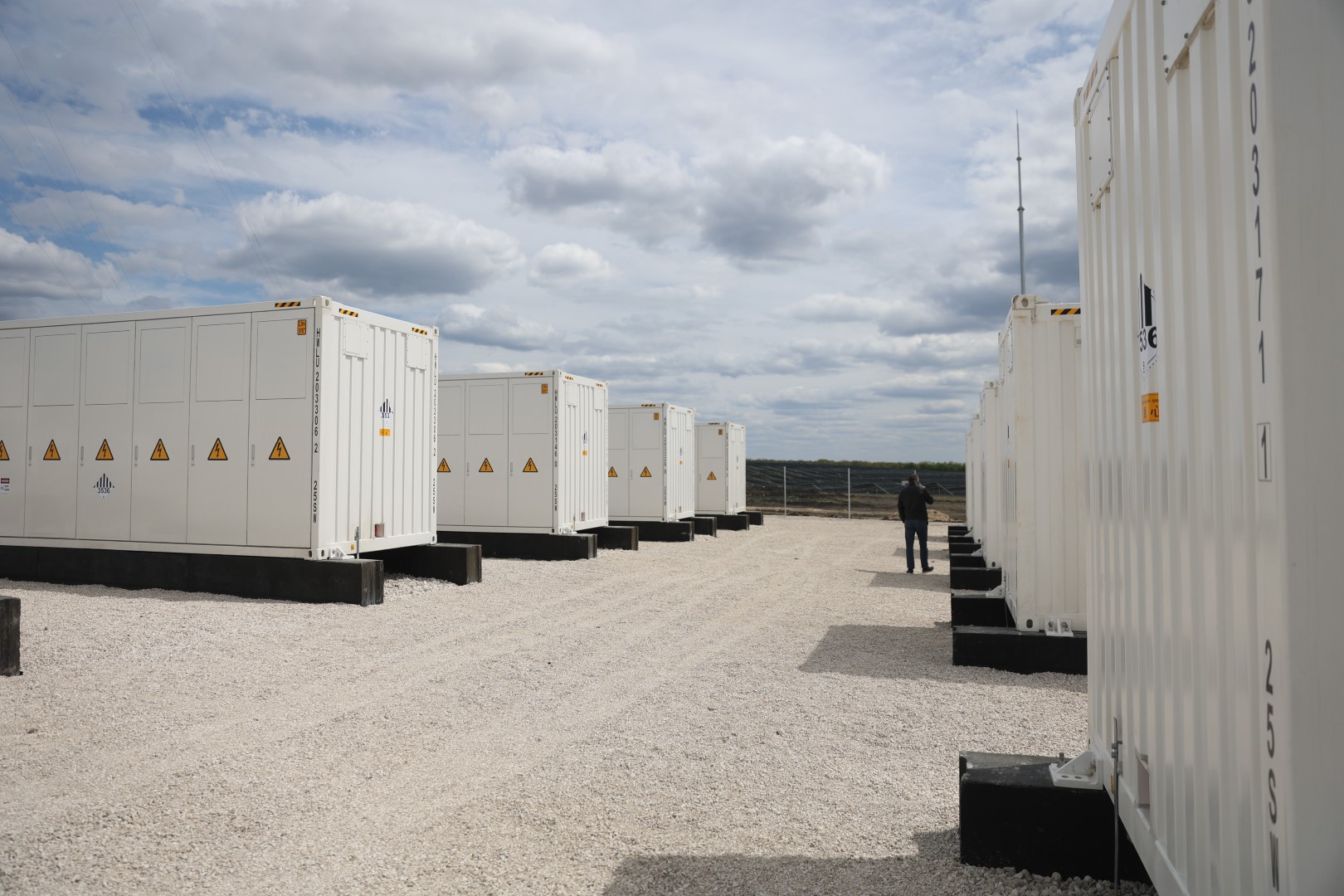
The Eastern European country of Moldova has had its co-located 60 MWh battery energy storage system (BESS) inaugurated in Rădeni, Moldova. The site is connected to an existing 50 MW solar farm, with the pair representing the largest solar plant and the largest energy storage facility in the country.
The site, according to reports and evidence from photos, uses Huawei energy storage assets and inverters, with Bruce Guo Min , CEO of Huawei Moldova, in attendance. The project was backed by private investors, including Vitalie Zveaghințev, founder at Zaw Energy, who was quoted in a press release. Zaw Energy was also on the implementation, engineering, procurement and construction (EPC) side of the project, with the company Solar Energy the local Huawei partner supplying key assets.
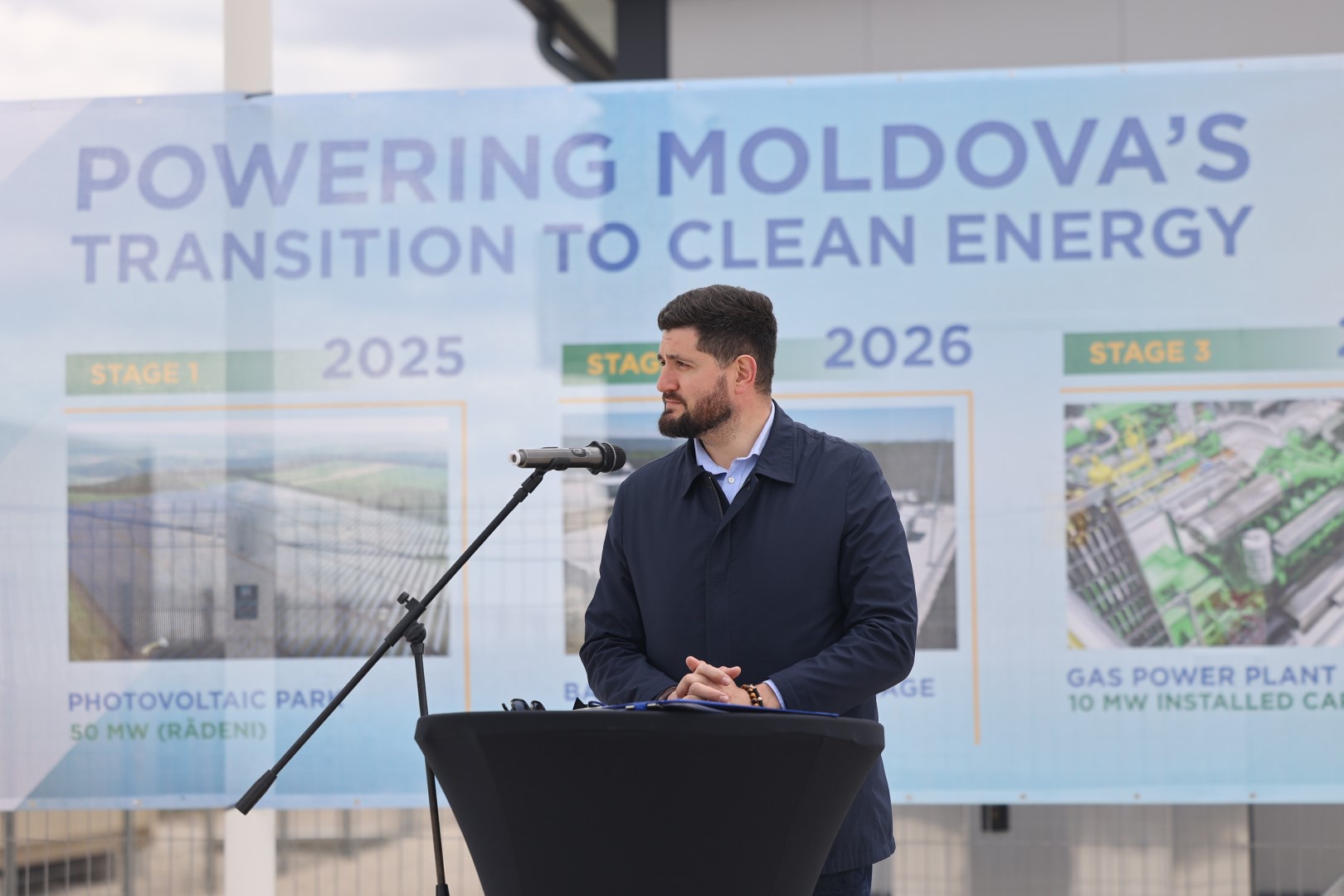
“This is a record time for such a project, and I congratulate the entrepreneur for his professionalism,” said Energy Minister Dorin Junghietu at the inauguration. “Private investors play a very important role in the development of the energy sector and thus contribute both to the country’s energy security and to achieving our objective of reaching a 27 per cent share of renewable energy in total consumption.”
According to market estimates provided by the Energy Ministry, storage systems with a total capacity of approximately 200 MWh are to be put into operation in the coming months in the country.
Carolina Novac, Secretary of State at Moldova’s Ministry of Energy, also in attendance at the ceremony, previously told pv magazine about the push into solar, and tax benefits for investors.
“Photovoltaics are, first and foremost, about energy security. It’s about diversifying sources; it’s about domestic energy—and it also turns out to be the cheapest electricity,” Novac said. “One lesson learned is that internal generation must be diversified. We allowed PV, wind, BESS and biogas installations on agricultural land. We also reduced VAT to zero for the construction of these projects. PV modules are subject to 0% VAT. We allocated various grants, including to farmers.”
Written by
Comments

Popular Posts