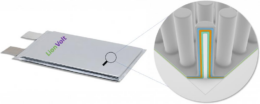
German study says more battery storage could annually save €3.9 billion


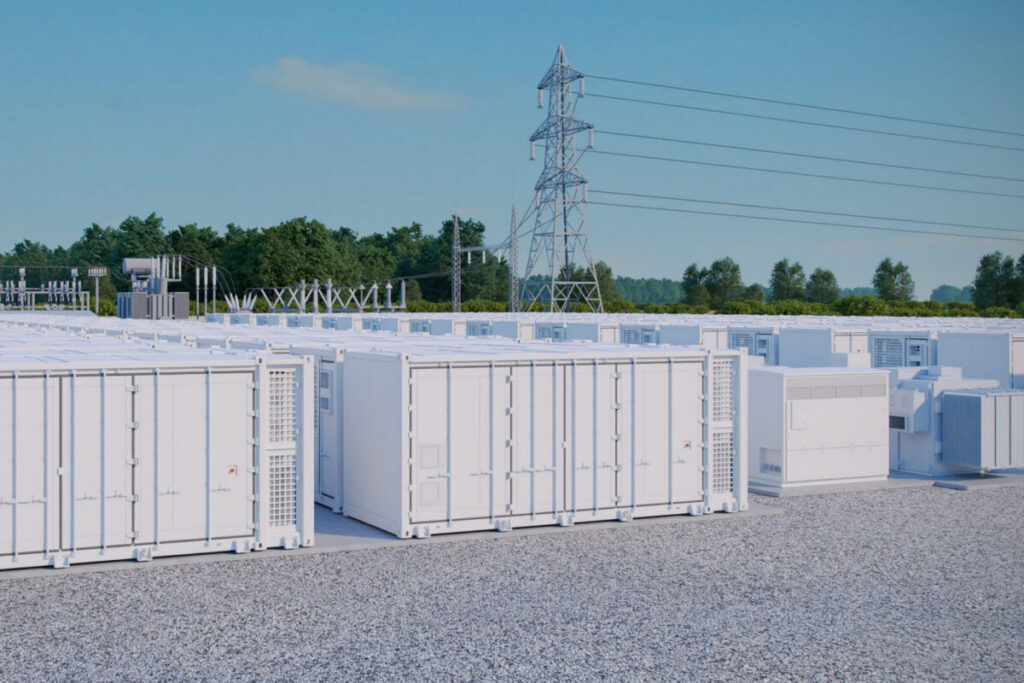
Adding more battery storage and grid flexibility could save German electricity consumers and the federal budget about €3.9 billion per year, according to a study by the Fraunhofer Institute for Energy Economics and Energy System Technology (Fraunhofer IEE). The research project was commissioned by the German Renewable Energy Federation (BEE), German Solar Association (BSW-Solar), and German Wind Energy Association (BWE).
The researchers estimated that adding 20 GW of battery storage power capacity with four-hour duration, equivalent to 80 GWh of storage capacity, would have generated €5.6 billion in economic savings between January 2025 and the end of May 2026.
Annualized, the study estimates savings of about €3.9 billion through higher market values for renewable electricity, lower renewable energy support costs, reduced wholesale electricity prices, and improved cross-border electricity trading.
The study also found that deploying two-hour battery systems instead of four-hour systems would still have produced annual savings of about €2.5 billion over the same period.
According to the analysis, the additional storage capacity would reduce periods of negative wholesale electricity prices by almost 70% and cut renewable energy curtailment by about 3.3 TWh, or roughly 55%. The researchers also said it would reduce financing risks associated with Germany’s renewable energy support scheme by about 75% for solar, almost 55% for onshore wind, and almost 60% for offshore wind.
The industry associations said the findings underscore the need to accelerate battery storage deployment alongside Germany’s planned expansion of solar and wind capacity. They called on the government to speed up grid connection procedures, enable multi-use operation of battery systems, and allow storage assets to participate more broadly in congestion management and redispatch services.
More about
Written by



Popular Posts