Ireland’s grid-scale storage growth: 800 MW connected, 2.3 GW in the pipeline

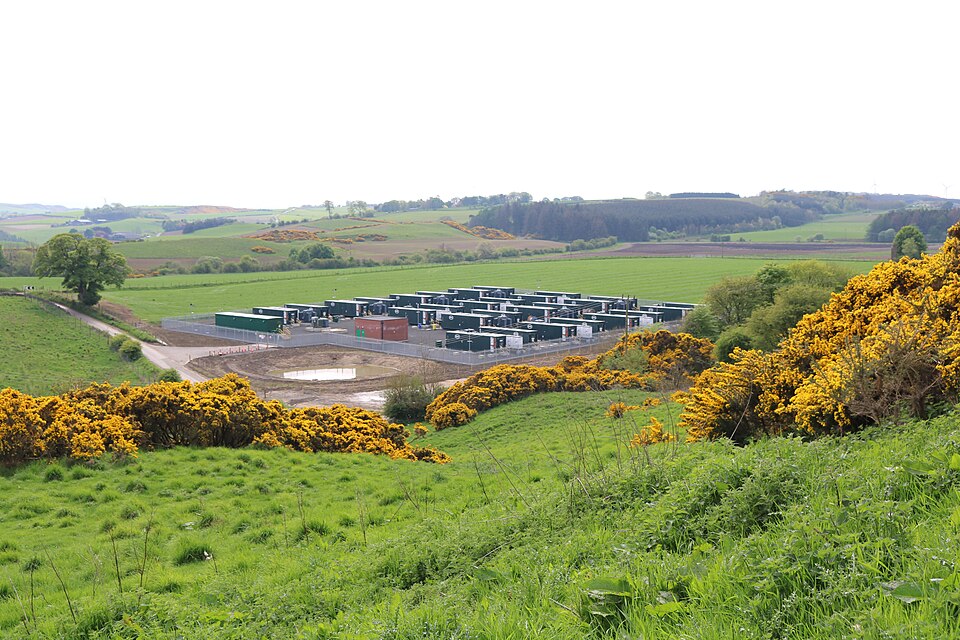
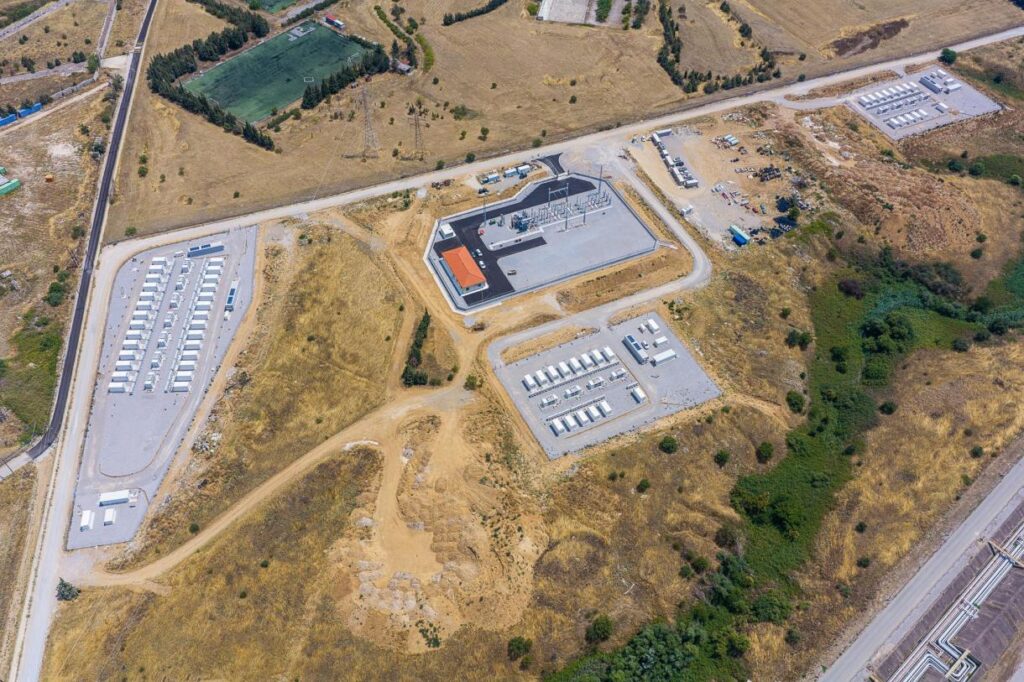
Attendees at Energy Storage Ireland’s (ESI) conference on June 30 heard that the Irish market, although small, is growing and will continue to grow. More than 800 MW of grid-scale battery energy storage have been installed around Ireland since 2018.
According to a report on Irish energy storage commissioned by ESI and carried out by AFRY, energy storage could deliver up to €102 million in annual savings for consumers in Ireland and Northern Ireland, with 2 GW of additional storage on the system as compared to today.
“The report is the strongest independent economic case yet made for accelerating storage deployment in Ireland,” said David Rossiter, ESI senior communications and public affairs specialist. “The headline findings are compelling: building 2 GW of storage by the early 2030s could deliver €102 million in annual economic benefits for Irish consumers, a 10% reduction in grid emissions and an 11% reduction in wasted wind and solar energy. These are not marginal gains. They are transformational outcomes that are well within reach if the right policy framework is put in place.”
The pipeline for energy storage projects in Ireland is currently 2.3 GW. This is for projects with planning permission and connection contracts already secured.
Speaking at the ESI conference, Ireland’s Minister for Climate, Energy, and the Environment Darragh O’Brien said the government will commit to a long-term energy storage rollout strategy.
He pointed to the recent decision by the Commission for Regulation of Utilities on storage tariffs which he said would “promote increased storage participation in the electricity markets, driving down consumer costs.”
Storage only gained full access to electricity markets in Ireland in November 2025. Since then, electricity storage has set peak output records of almost 500 MW, said O’Brien.
Rossiter told ESS News that O’Brien’s keynote address was very promising and the 2026 conference was “a really energetic day for Ireland’s energy storage sector where we discussed how much progress there has been and the likely path forward to much more storage development in Ireland.”
“The minister made it clear that the time for policy implementation and delivery was now,” added Rossiter. “There is no need for further reviews. We are confident this will lead to greater ambition for storage targets going forward.”
AFRY’s “Money Saver: How Storage Lowers Energy Costs” report is modeled on a core scenario representing a version of the SEM (all-island) power system where Ireland’s 2030 renewables targets have been met and the grid has been heavily reinforced. According to AFRY, the scenario likely downplays the value of energy storage, suggesting the €102 million gain could be a conservative estimate.
Optimizing the duration and location of storage also has an impact on the potential economic benefits, AFRY warns. Its analysis assumed that additional storage capacity is exclusively of six-to-eight-hour duration. It also assumed a fixed capacity allocation, proportional to electricity demand ratio.
It noted that long duration energy storage of eight hours or more could play a complementary role for energy security and system resilience. When gas prices are high, the benefit of 2 GW of additional storage could be up to €150 million.
AFRY also modeled its predictions using the possibility of additional storage capacity beyond what’s in the pipeline – ie. a scenario in which storage has been deployed up to the point there are no additional benefits to consumers. The peak net benefit of €102 million per annum at 2 GW declines as storage capacity increases.
Written by


Popular Posts