South Korea launches first distribution-line ESS program

South Korea’s Ministry of Climate, Energy and Environment (MCEE) has signed business agreements with nine companies to begin the country’s first distribution-network ESS support program, according to a ministry statement.
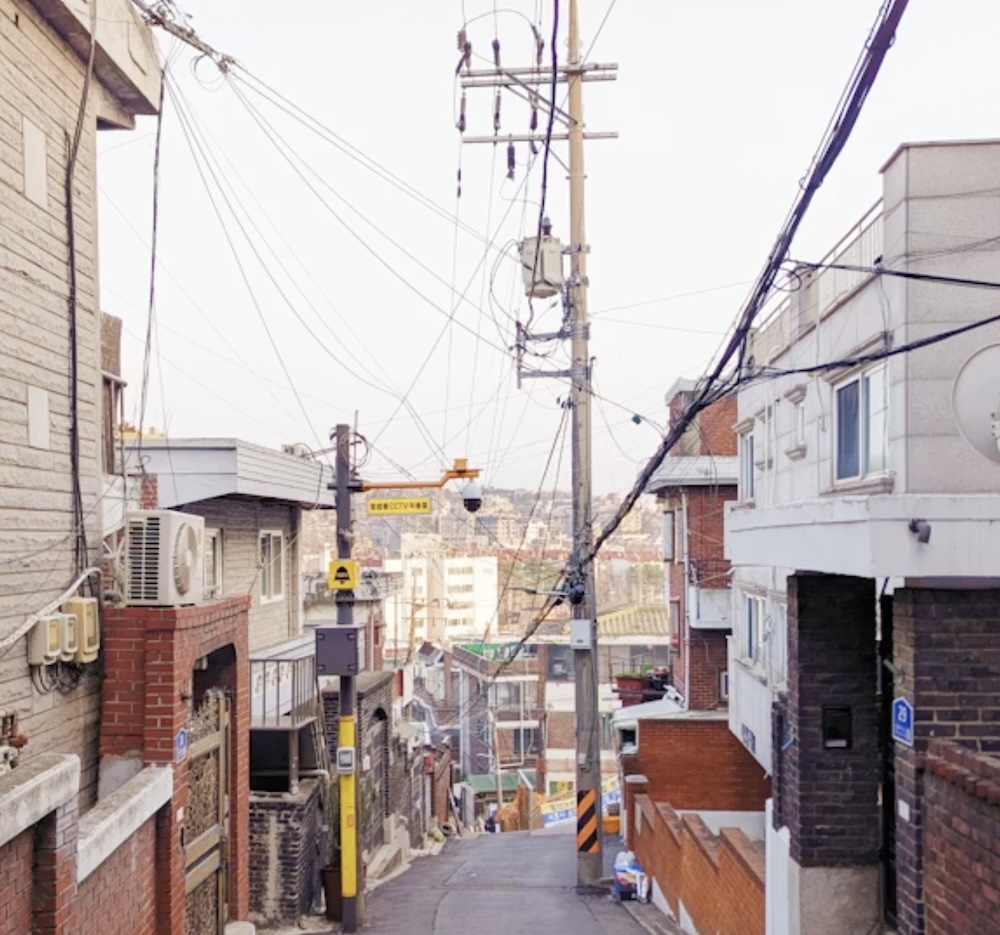
The initiative targets grid congestion in the Honam and Jeju regions, where saturated substation and distribution-line capacity has left new solar projects waiting in interconnection queues. Some already-connected plants also face curtailment.
The ministry said it secured KRW 558.6 billion ($377.3 million) in national budget funds over five years for the project, following the announcement of a “Korean-style next-generation power grid” initiative in 2025. The approach uses ESS installed on distribution lines to increase hosting capacity without expanding the distribution network itself, which the ministry described as a domestic first.
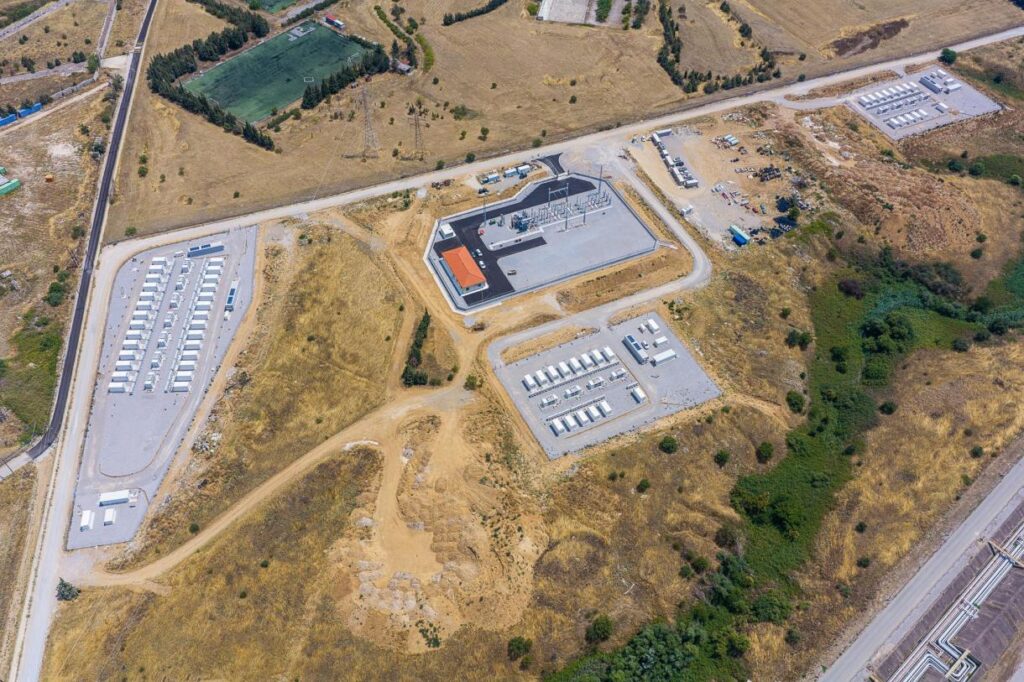
Under this model, 4 MW/20 MWh of ESS will be installed per distribution line, allowing roughly 5.7 MW of queued solar capacity to connect at each site, according to the ministry. The nine selected companies – VPP Lab, LG Energy Solution, KEPCO KDN, SK Ecoplant, HD Hyundai Electric, Gridwiz, Korea East-West Power, Korea Midland Power and Hyundai Engineering & Construction – will build ESS across 32 distribution lines.
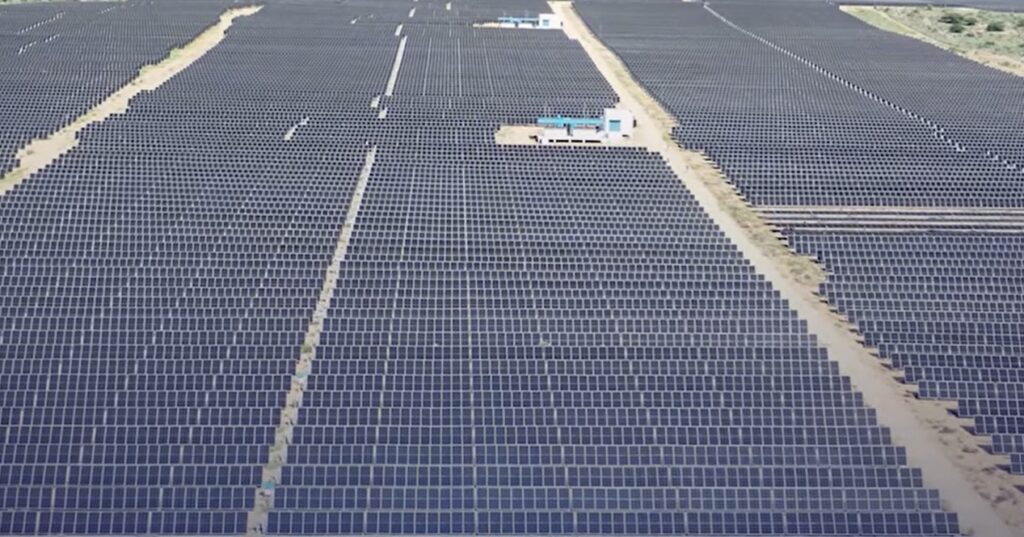
The ministry said it is targeting roughly 700 MW of ESS by 2030, enabling an additional 1 GW of renewable interconnection capacity and 1,350 GWh of additional annual solar generation, or about 3.7 GWh per day. It said that volume is roughly equivalent to daily renewable electricity supply for 50,000 households.
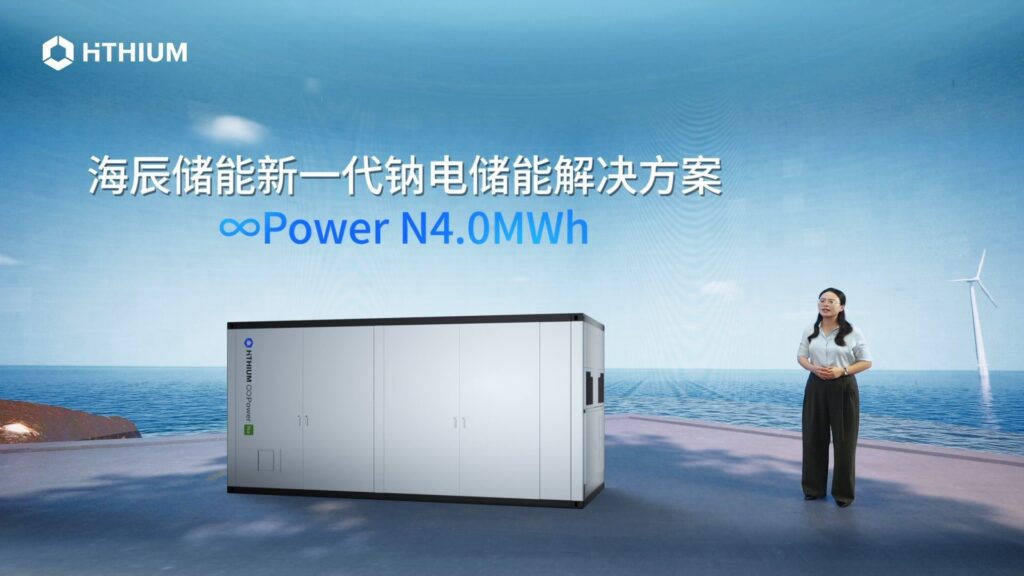
This round of selections favored nickel-manganese-cobalt (NMC) and lithium iron phosphate (LFP) battery chemistries. The ministry said an August tender will begin steering the market toward next-generation batteries with advantages in duration, lifespan and fire safety, prioritizing deployment in Jeju before expanding incentives to mainland projects.
Climate, Energy and Environment Minister Kim Sung-hwan said the project would help resolve distribution-network bottlenecks and support South Korea’s transition toward renewable energy as a primary power source.
More about
Written by

Popular Posts