Australian state approves 200 MWh battery despite 70-plus objections

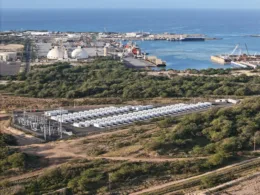
A 100 MW/200 MWh battery energy storage system (BESS) near Deniliquin in southern New South Wales has secured development consent despite more than 70 public objections.
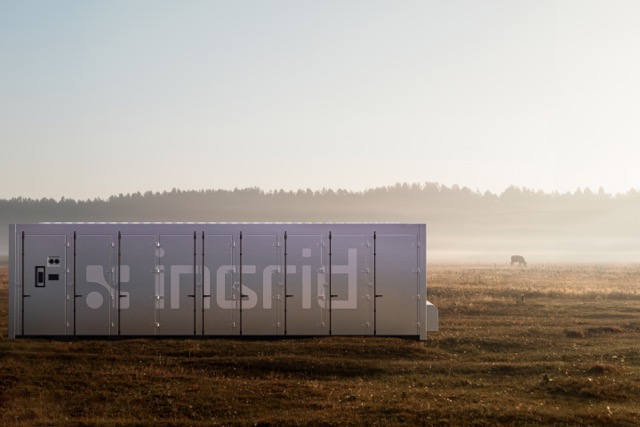
The Deniliquin East project will use approximately 80 containerized lithium-ion battery modules, with 120 MW/240 MWh of total cell capacity above its nominal rating. Applicant Bess Arctic Pty Ltd. lodged the project through Gransolar Development Australia, the Australian arm of Spain-headquartered Gransolar Group. According to the New South Wales Planning Portal, an executive director at the state planning department approved it on Sept. 24.
The project was found to provide a range of energy, economic and employment benefits to the local community, including 52 construction and two operational jobs, and AUD 600,000 in community benefits for the approximately 9,000 permanent residents of the Edward River Council area.
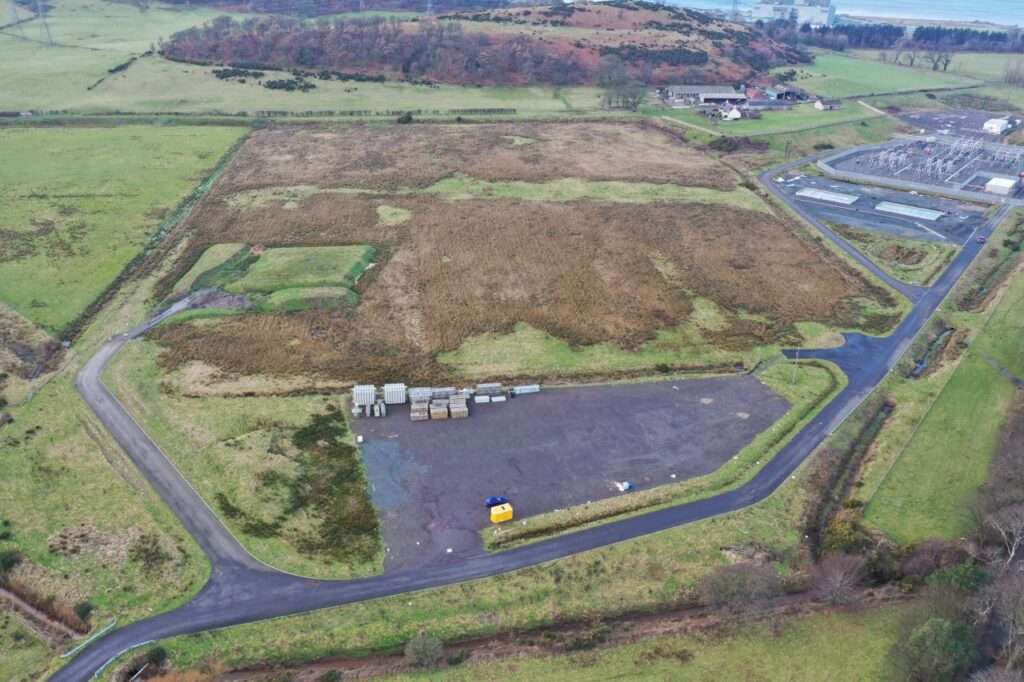
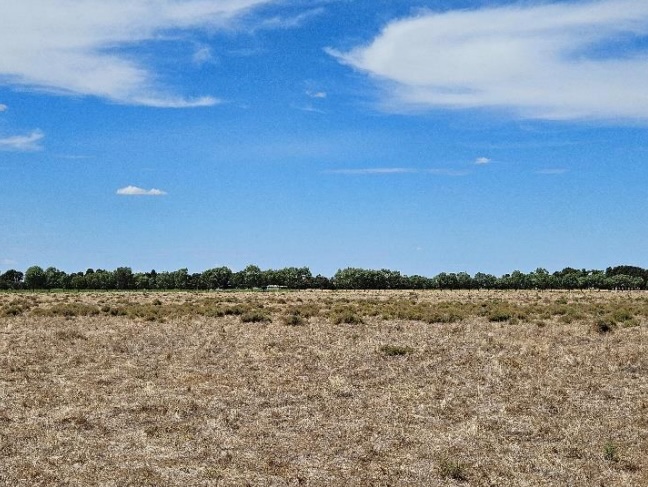
The site is about 7 km southeast of Deniliquin and 712 km southwest of Sydney. Objectors included several Save Our Surroundings campaign groups, some based as far away as Queensland and Victoria.
Community concerns centered on fire risks and hazards, the merits of renewable energy and land-use compatibility. The developer responded with further project refinements, including readiness to comply with Fire and Rescue NSW recommendations.
Six public submissions said adequate consultation had not been conducted. Gransolar pointed to the New South Wales Undertaking Engagement Guidelines for State Significant Projects, saying it had consulted government stakeholders, relevant agencies such as Transgrid, and Aboriginal stakeholders including the Deniliquin Local Aboriginal Land Council. It said it had also reached adjacent neighbors and the surrounding community through a newsletter, a community survey, local newspaper notices, pop-up community information sessions, the project website and freely available contact information.
Assessors found the project’s 3.53-hectare footprint would result in a negligible loss of agricultural land in the Edward River local government area.
The project is expected to operate until 2060.
More about
Written by
Comments