EnerVenue lands first megawatt-size order for its non-lithium, aqueous metal cell storage tech

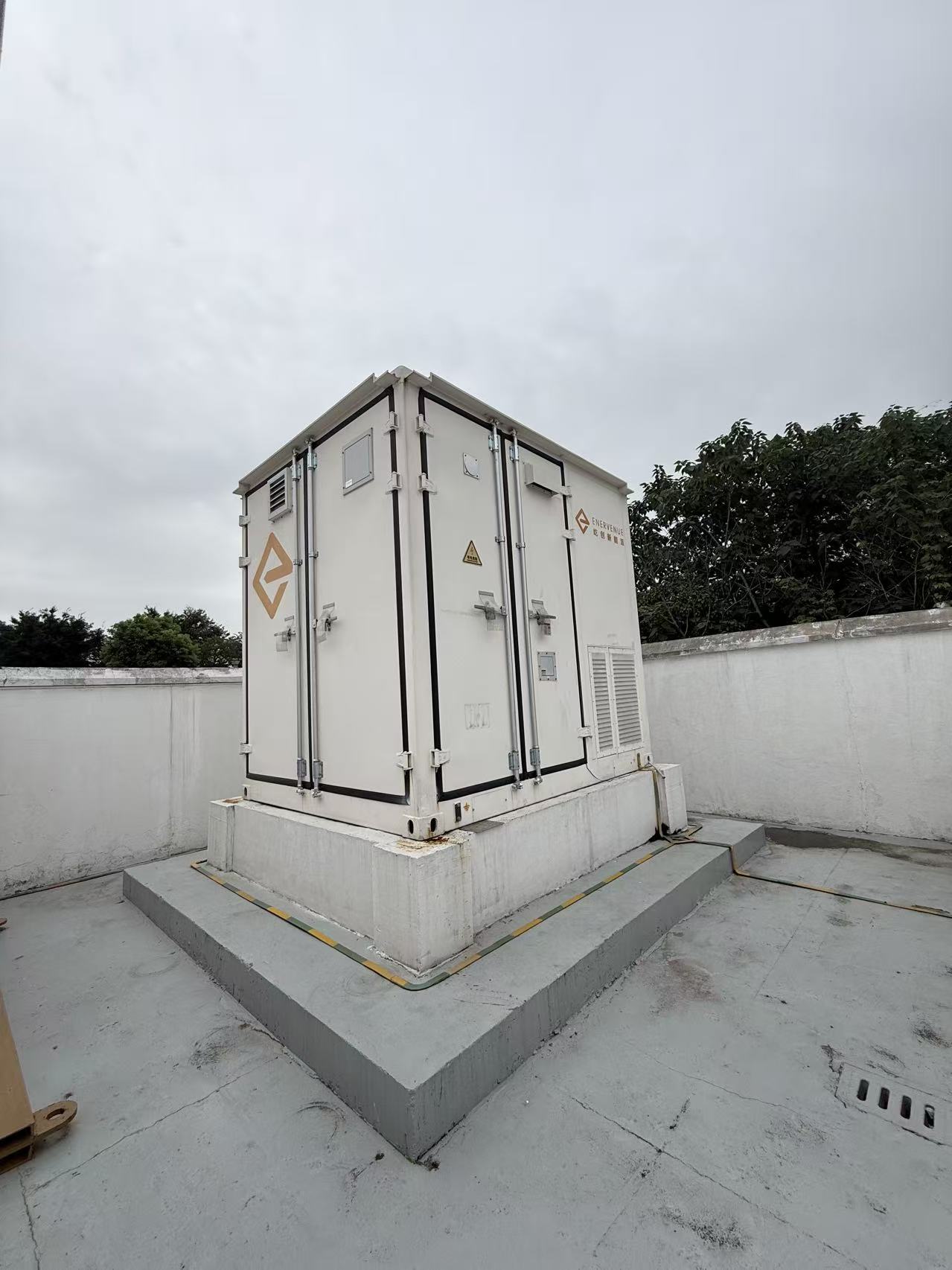
EnerVenue has signed its first multi-megawatt-hour commercial order, covering 11 MWh of non-lithium battery storage for an operating oilfield in northern China.
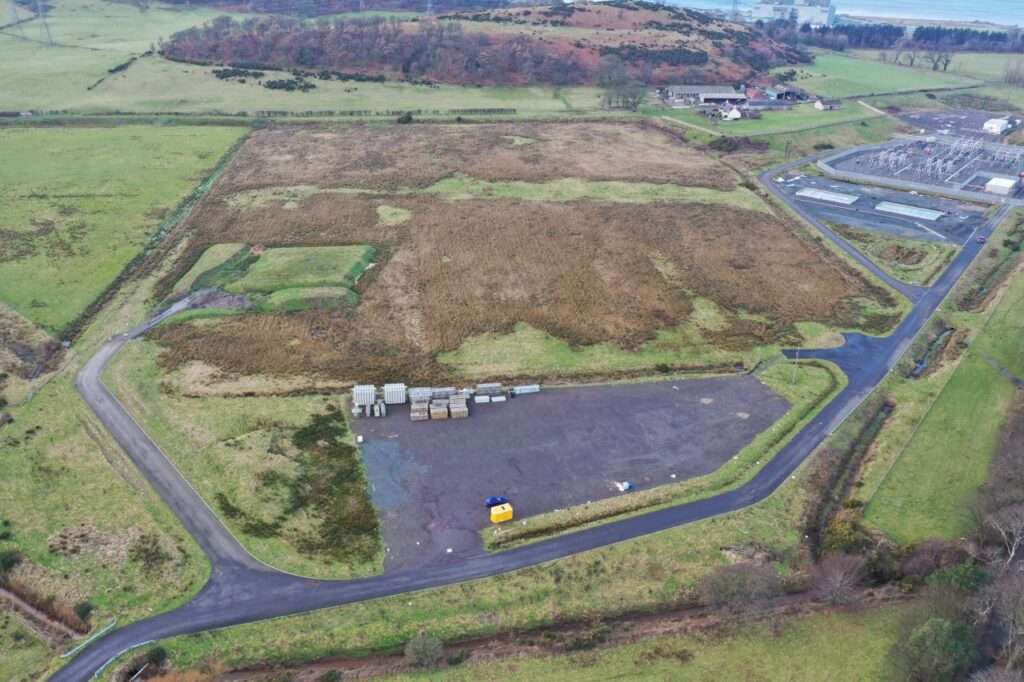
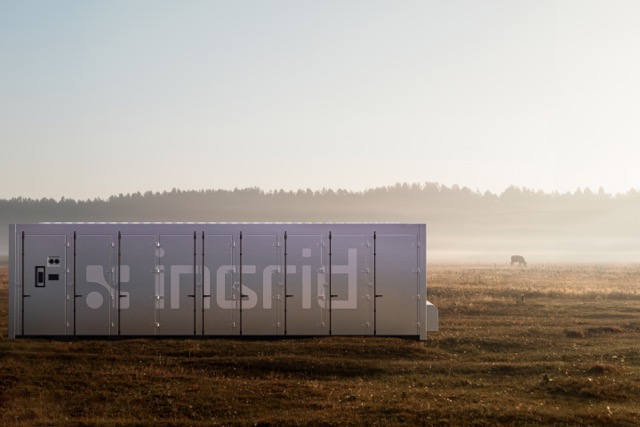
California-headquartered EnerVenue said an unnamed major Chinese oil and gas producer ordered 26 Energy Prism containerized units for one of its existing production sites. The systems will store electricity from an onsite solar array and discharge it when the facility requires power. The first three units are scheduled to ship in December 2026, with the remaining 23 due in March 2027.
EnerVenue has not disclosed the project’s power rating, discharge duration, contract value or end user. The Energy Prism systems will be delivered as complete DC-side containerized units ready to connect to the site’s power conversion equipment. They will use EnerVenue’s fourth-generation Aqueous Metal Cell, or AMC, technology.
The AMC is based on nickel-hydrogen chemistry, a technology with a long history in spacecraft including the Hubble Space Telescope and International Space Station but re-engineered by EnerVenue for stationary storage using lower-cost materials. The company’s current cell has nominal energy of 3 kWh, a 30,000-cycle design life, 100% depth-of-discharge capability and peak round-trip efficiency above 90%. EnerVenue specifies a 30-year design life and an operating temperature range of -20 C to 60 C without active thermal management.
Safety was a central factor in the oilfield project, according to EnerVenue. The cell uses a water-based, non-flammable electrolyte and contains no lithium. The company says its chemistry does not produce the sequence of reactions associated with lithium-ion thermal runaway, while UL 9540A testing showed no fire propagation at cell level.
The order marks a step up from EnerVenue’s first fourth-generation AMC deployment, a 150 kWh system commissioned with Towngas in Jintan, Changzhou, in 2025. That installation combines onsite renewable generation with electric-bus charging. pv magazine Germany covered the company’s $300 million in its Series B preferred stock financing in March 2026.
Cells for the new oilfield project will be manufactured at EnerVenue’s newly opened high-volume production line in Changzhou. The first phase is rated at 250 MWh of annual capacity and is designed to reach around 300 cells per day at full automation. EnerVenue plans to increase capacity to 1 GWh in 2027 and to multiple gigawatt-hours by 2028.
EnerVenue is positioning the technology around lifetime economics rather than upfront battery cost. In a media roundtable, CEO Henning Rath declined to disclose to ESS News the system’s current capital cost, saying only that its average cost over 30-year operating life is already competitive. The company argues that the economics benefit from avoiding scheduled battery augmentation, active cooling and, where regulations permit, dedicated fire-suppression systems.
The Chinese oilfield contract is significant. That is not due to its overall 11 MWh size, but for EnerVenue’s first move from pilot deployment into a multi-MWh commercial installation to further prove its position in the market. Its longer-term competitiveness will depend on whether the promised cycle life, safety characteristics and lifecycle cost advantages are demonstrated on a commercial scale.
Written by
Comments