INTERVIEW: Maxxen’s Ruben Valiente on his BESS factory, Hithium relationship, bankability, and vendor financing

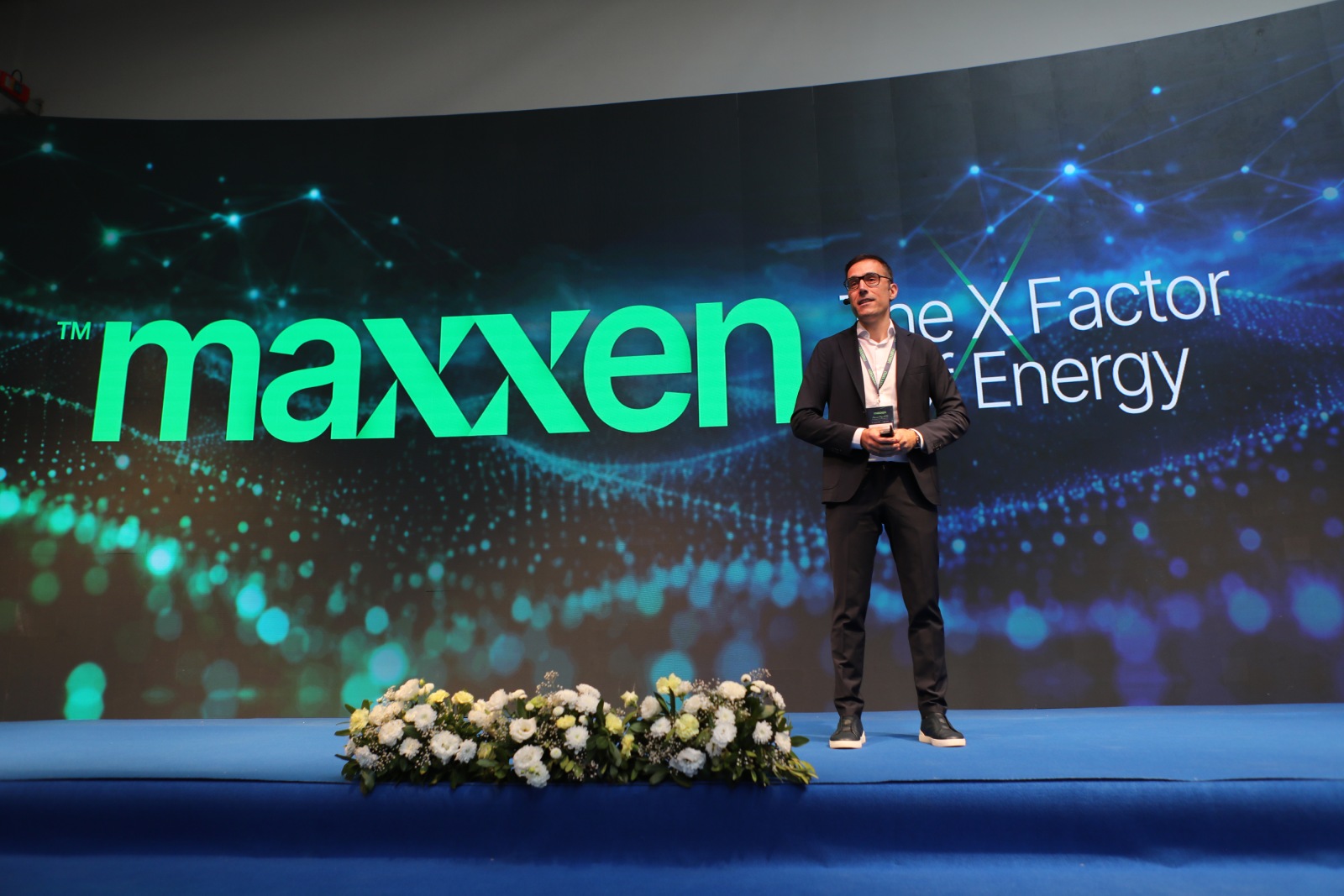
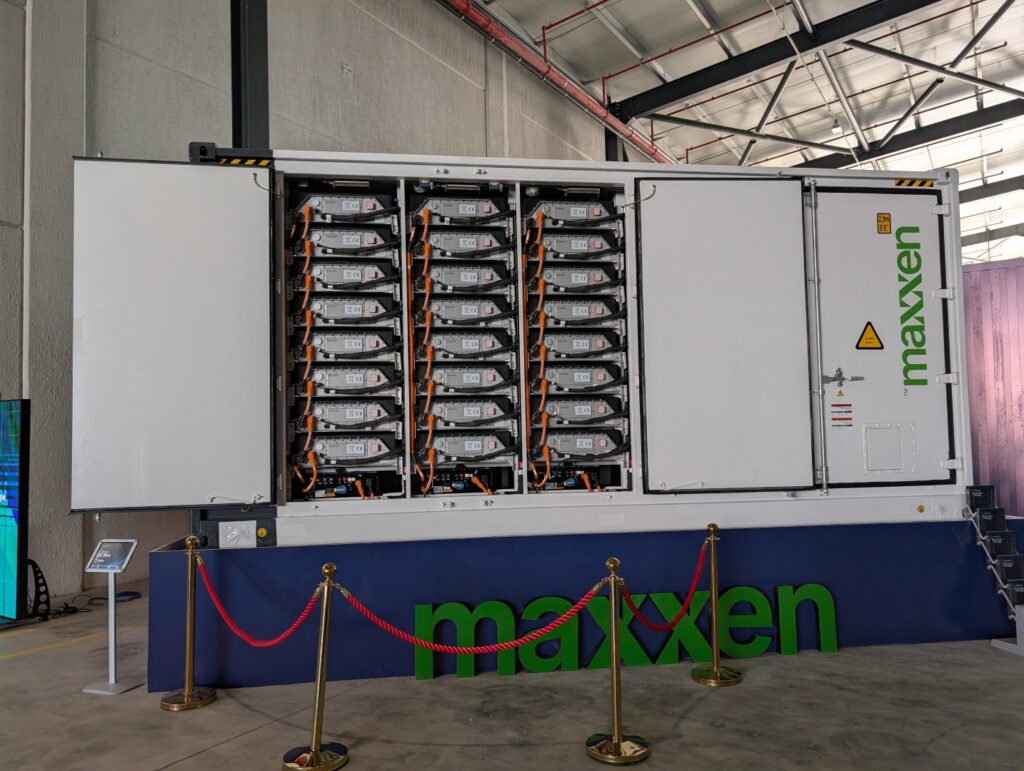
Following a tour of Maxxen Energy’s utility-scale BESS factory, ESS News spoke with Ruben Valiente, managing director of Maxxen, about its relationship with Hithium, the work to establish a new supplier in the BESS market, vendor financing, how logistics work, and the new $35 million factory that it built.
Maxxen Energy is owned by Kontek Energy, a Turkish renewable energy specialist with more than 30 years of engineering expertise.
A key discussion point is around vendor financing, which Maxxen offers. In this arrangement, a seller or vendor such as Maxxen either lends money or extends credit directly to a buyer so they can purchase what the vendor offers; in this case, battery products. Valiente in the discussion below says Maxxen has some three such deals, but frames one of these agreements as almost completed or slightly different to the others.
In the past, Valiente has framed vendor financing as most interesting for small and mid-size projects, which may have more difficulties in project financing.
Read: ESS News’ report from the Maxxen factory for a closer look at the production process.
This interview has been edited for publication.
ESS News: How does Maxxen’s relationship with cell supplier Hithium work?
Ruben Valiente: With Hithium, we have a three-level relationship.
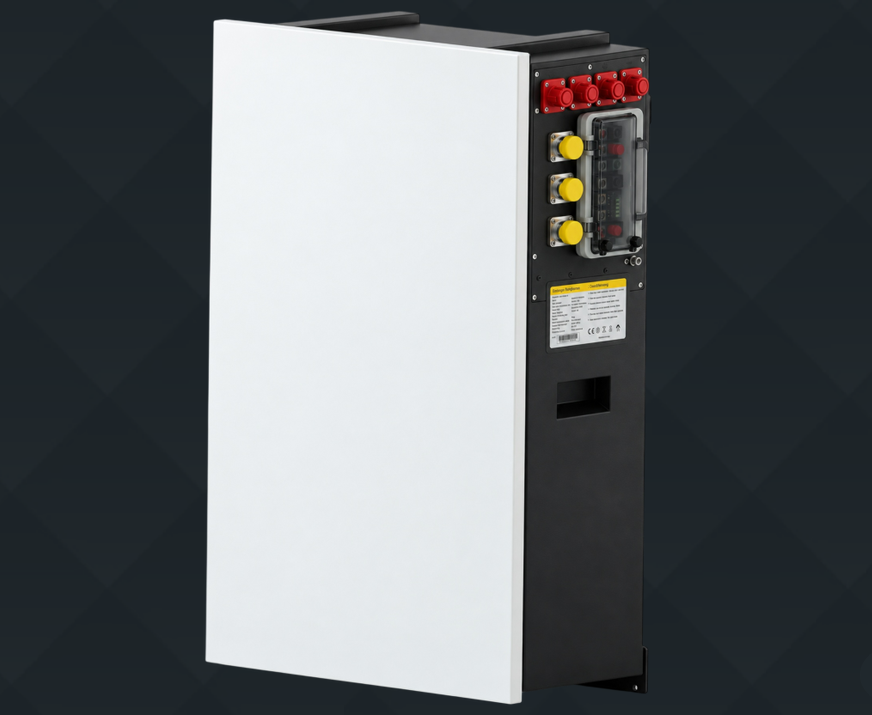
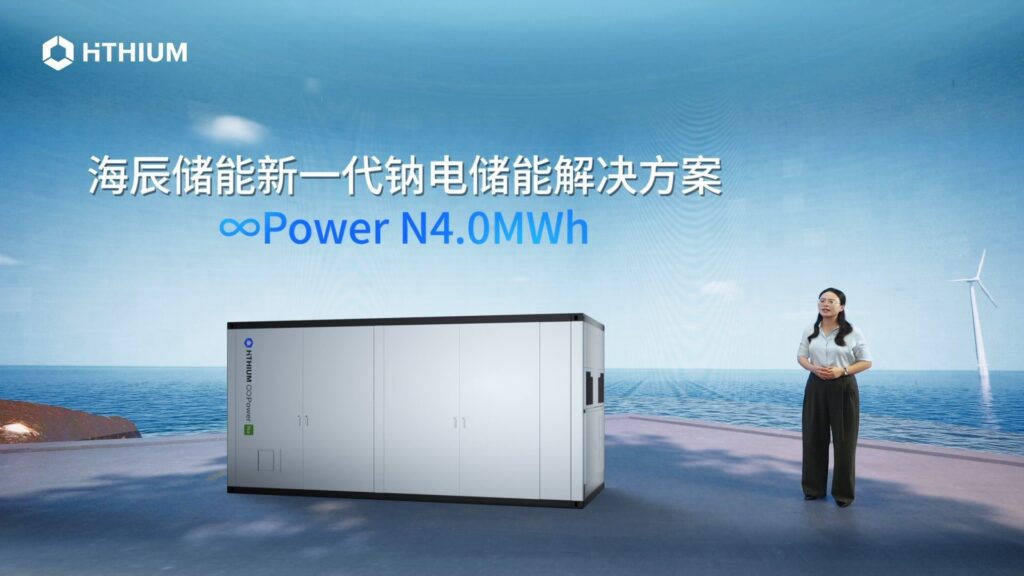
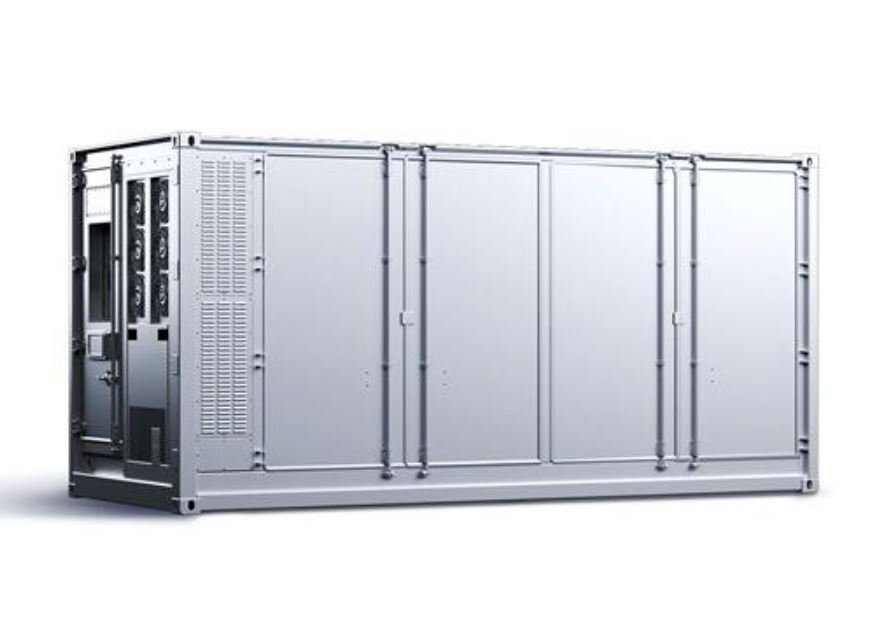
The first is the normal master supply agreement. We have this 10 GWh supply agreement for the next five, six years. We procure the battery cells coming from China, and then we do the rest here, as you have seen.
The second is in terms of IP exchange. What we see here in terms of hardware is what Hithium has been developing and producing in China, which we are pretty much manufacturing the same way here. It goes both ways. We also have our own energy management system and power plant controller that Hithium can take advantage of.
When we started talking to them three years back, and then signed two years back, they also wanted to choose the right horse. We wanted to choose the right horse, and there was this mutual symbiosis. They were also a younger company. They wanted to deal with more mature businesses. This brand is two, three years old, but the company behind it is 32. At the time, it was also a credible relationship that we could have with them.
The third level goes one step further, which is OEM assignment, whereby Hithium could potentially be able to produce batteries here under its own brand. It does not make sense to supply China from here. But to supply Bulgaria, the Balkans and especially Eastern Europe makes perfect sense from here.
Is there any equity or ownership between you and Hithium?
No, no, no. Completely separate. This is a private, transactional, commercial relationship with a very strong level of depth in the scope of that relationship. Nothing else, nothing more, nothing less. It is a very profound relationship, but there is no equity swap as of now.
When making the call to work so closely with a partner, did you look at other suppliers? Was it about the relationship or the technology?
Yes, of course. Just as Hithium would have chosen us as a partner, we also wanted to choose them or someone else. We signed this contract in 2024. Back then, we were looking at 10, 15 companies, all the usual big suspects.
In a decision like this, there are different criteria. One of the important things we looked at was cultural fit. What was the moment of growth that Hithium had? Where were we? Hithium, at the time and still today, is not the biggest player in terms of the size of the company. It is still very big, but not too big. That is also something where you can maneuver better as a relatively small company like us. We wanted a very direct relationship with the top management of Hithium.
But of course, quality and the product roadmap they were explaining to us were very advanced compared to everyone else. And focused on BESS only. Most of the other players do BESS as well, which means they are not necessarily focused on BESS only. Hithium is purely focused on BESS, and that was also what we were doing.
We liked someone who would not be disturbed or influenced by other distractions, or think it was now better to focus on automotive or another field. It is not straightforward to take a decision with so many variables, but this is the one we took. Two years down the line, I feel it has been a really good decision.
Does the Hithium relationship help when you are establishing your credentials and trying to prove your bankability?
Yes. The battery cell itself is, I would say, top league, and we hear that from the market. We check every single cell, and the performance is consistently good.
Nothing is perfect. We are not perfect, and we have problems. You can expect a certain failure rate. You just need to deal with it, own it, and then do something about it when it happens. But with Hithium, this is going very well in this respect. From a quality point of view, no issue. And I think the market also recognizes that.
The fact that the brand is new is something where we need to start educating the market from the beginning. The industry does not know you, and it is like, “Who are these guys?” Fair enough. That is normal. I would also be questioning things.
With time, things are better explained. People start knowing you. You have references. You start building up trust, you explain your roadmap and what you do. We also say the things we are not good at, or where we are not as good as others. I want to be compared with the others. I am not the top, and I am okay with it, and I say where I am.
The trust people may have in these statements takes time. Now you also have third-party due diligence being done, so somebody can believe not only you, but someone else. That is what we also try to do: bring transparency to the things others do on us.
For your MV Box product [the PCS or power station that’s separate from the DC Box but available with it as well] do you work with one supplier or several? We understand you have a relationship with Nidec, at least.
Nidec is one of the players we work with, but we are not exclusive with any player in PCS. We have some good relationships with specific players like Nidec, but not only.
Is it not about choosing just one due to supplier risk?
Here, it is more that the PCS industry has been understood by the market for longer. Batteries are newer, and being exclusive to a certain battery manufacturer is not necessarily perceived negatively.
On PCS, customers often have preferences: “I want Chinese, I want European. I want string, I want central.” We keep that flexibility. We have solutions with string and with central. We have solutions with European and Chinese suppliers, depending on the project.
It is much easier when you always have the same solution, but customers sometimes want something specific. We can adapt to that too.
And for grid-forming requirements, can you work with the customer’s preferred PCS supplier, or do you offer a set of options?
Full flexibility. We are compatible with a range of PCSs, and if you have a strong preference, we are happy to work with that preference. That does not always happen. They tell us, “Just give us a solution you are comfortable with and the best we can do,” and then we do that.
But if a customer wants SMA, we are happy to work with SMA. If a customer wants Power Electronics, we are happy to work with Power Electronics. We are especially a battery manufacturer, and we also do power stations, because customers like us to be responsible for the full value chain.
We do not manufacture the PCS. We buy it. In the end, we can work with different manufacturers.
Would you manufacture PCS in the future?
I would love that. I used to be a PCS person. But it is a different animal, so you probably need to focus a little bit. Here, the focus on batteries is probably the right one, because they have the biggest weight in the project cost.
Choosing the right PCS is very, very critical. But it is also another level of knowledge that you must command. We are not there yet. We know how to use PCS very well, but manufacturing is a different story.
You spoke about vendor financing at the Battery Business & Development Forum (BBDF) 2026. How is that going?
I do not know how many letters of intent we have received. I am talking about 4 GWh, something like that. There have been a lot of people interested, and then some people are really interested and want to sign now.
We have signed three activation fees already to deploy this in the next six to 12 months, because they are also not ready. But they want to sign and secure the deal. That is just starting to pick up.
When you sign the agreement, what happens?
When the contract is signed, we are bound to commit and obliged to deliver. But it does not need to be delivered now. It can be delivered whenever it has to be delivered.
The finance is already secured in a way that we cannot walk away. If a customer walks away, conversely, that is what the activation fee is for, because I do not return that. But I also cannot walk away.
We have two and a half contracts of that nature. We have not delivered the batteries for those contracts yet, because it was not necessary.
One of the advantages of being close to the customer is that you can deliver just in time. I want to deliver the battery exactly one or two months before commercial operation. Not before, because then it is financing for the sake of financing. It is not profitable. You do not want to lend money too early when you do not have the revenues yet.
We can deliver the battery directly to Germany, Romania or Spain in one, two weeks. We do that when the battery is needed on site, a few months before commercial operation. In the case of these two projects, that is going to happen in September next year.
Logistically, how does that work? Do you keep 50 finished BESS containers on hand, ramp up toward the delivery date, or store batteries here?
Not 50, but quite some. Containers are being tested right now. There are some containers sitting, and as soon as we dismantle this event, they are being sent. There are four or five sitting outside.
We have a warehouse. This building is a warehouse and R&D center. There are 200 to 250 MWh of battery cells and raw materials.
So the incoming cell supply is not “just-in-time.” You receive a shipment and work through it before the next one?
Exactly. It is an operational issue. You have two months in between. Sometimes three, sometimes one, sometimes four. You consolidate the materials for the next three to six months.
Of course, you do not want to have inventory. You need to finance it. But if you do not have it, coming from so far away, you do not deliver the batteries in time as we have committed.
We do deliver things faster than others can, at least the end product. Because we do also have disruption in the supply chain. The cells coming to us are sometimes very late. So you had better have them in advance.
Written by
Comments

Popular Posts