Sungrow positions for Europe’s next storage phase

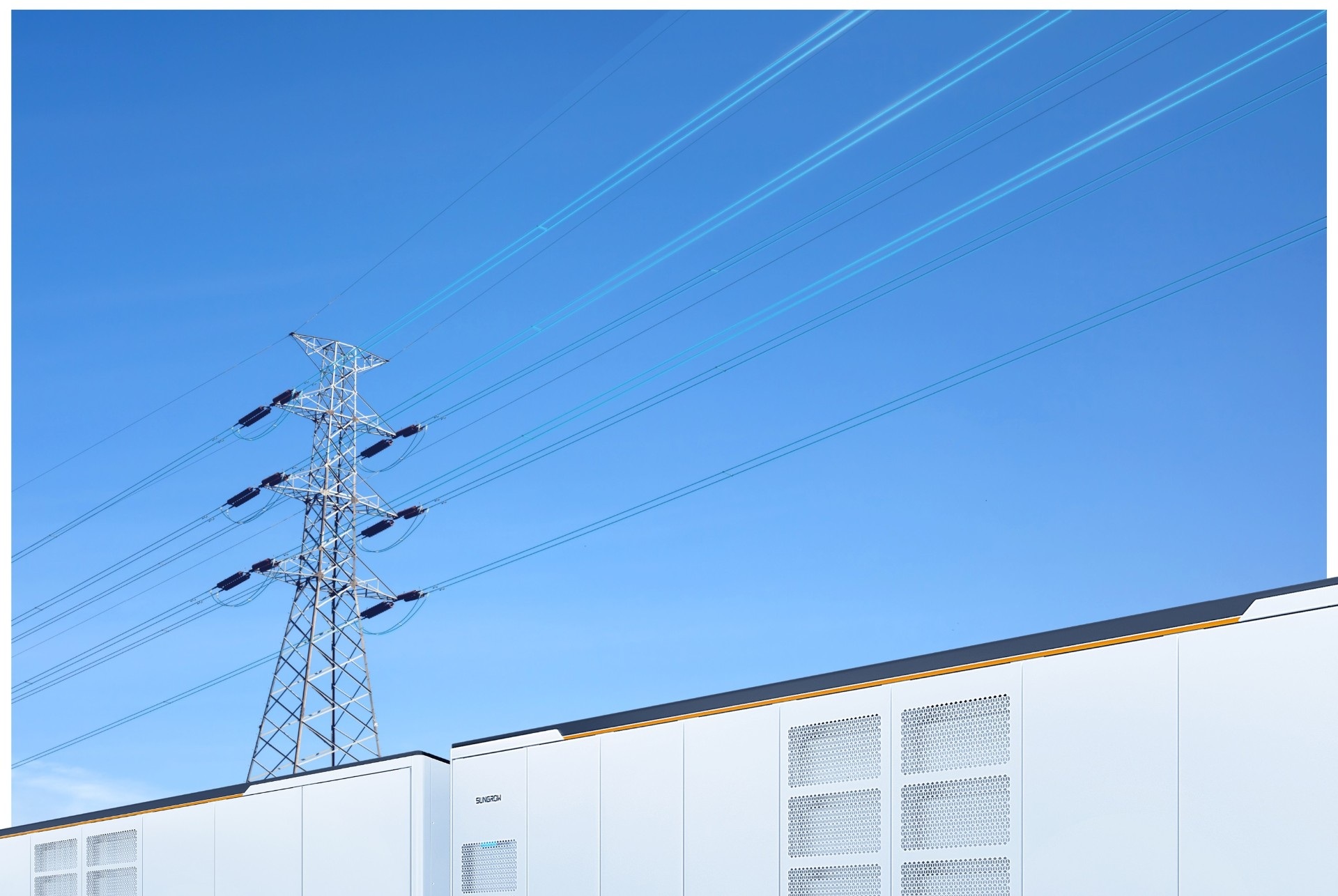
Sungrow held its Utility Connect event in Berlin on October 7, presenting its own market research, technical developments and customer insights, with a particular focus on Germany and the wider DACH region.
Beyond the usual product discussions, the event offered some insight into how major BESS manufacturers are responding to Europe’s changing grid requirements and regulatory environment.
For Sungrow, this increasingly means work beyond supplying battery hardware, including pre-connection grid simulation, compliance testing and localized manufacturing. These are becoming important considerations for developers facing lengthy grid connection processes and changing requirements from European network operators.
To mitigate European supply chain exposure and lead-time bottlenecks, representatives also told ESS News that work continues on its battery manufacturing facility in Poland, scheduled to open next year, with investment now estimated at approximately €250 million.
Company representatives estimated Sungrow’s share of the German utility-scale PV market at around 30% to 40%, with ambitions for a similar position in storage. Its long history supplying PV inverters also gives the company experience in power conversion systems (PCS), an important component of grid-forming BESS.
For example, Sungrow detailed its 30 MW in-house grid simulation facility in China, where it tests hardware and controls against simulated grid conditions, including faults and low grid impedance, before deployment. The company also outlined its grid-forming capabilities, including voltage-source operation, synthetic inertia and dynamic voltage regulation, with claimed response times of less than 10 milliseconds.
Focus on Germany
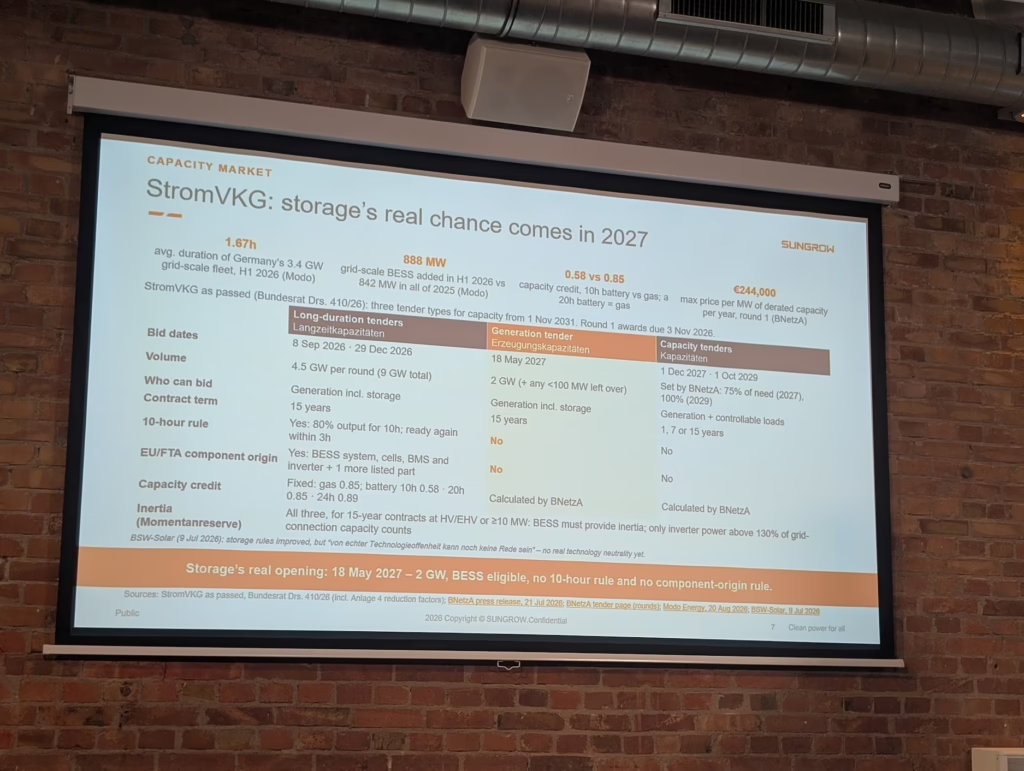
While the German market is relatively well known, Sungrow’s pre-commissioning validation efforts are intended to streamline grid compliance and connection approvals ahead of several important market and regulatory developments. These include new capacity tenders, changing grid requirements and the Federal Network Agency’s (Bundesnetzagentur, or BNetzA) proposed reforms to grid fees.
In particular, May 2027 holds significance for storage, with a planned 2 GW auction for new generation capacity open to batteries. Unlike earlier tenders, the auction does not impose the same long-duration generation requirement, potentially creating opportunities for shorter-duration BESS projects. The auction is separate from Germany’s broader capacity market plans.
The other hot issue is grid-fee exemptions. Under the Bundesnetzagentur’s proposed rules, developers seeking to retain the existing exemption would need to make a final investment decision before the new framework takes effect and commission their projects by August 4, 2029. The proposal also sets out requirements to demonstrate investment commitments, including binding equipment orders covering at least 50% of the investment volume, with evidence due by March 31, 2027.
Much of this is well known to pv magazine Germany readers, but the takeaway from the day was how major utility-scale manufacturers are responding beyond offering a bankable product. For manufacturers, investing in what can be done before the battery reaches the project site will continue to be valuable as critical deadlines loom.
Written by
Comments


Popular Posts