Brazil registers first pumped-storage project under new rules

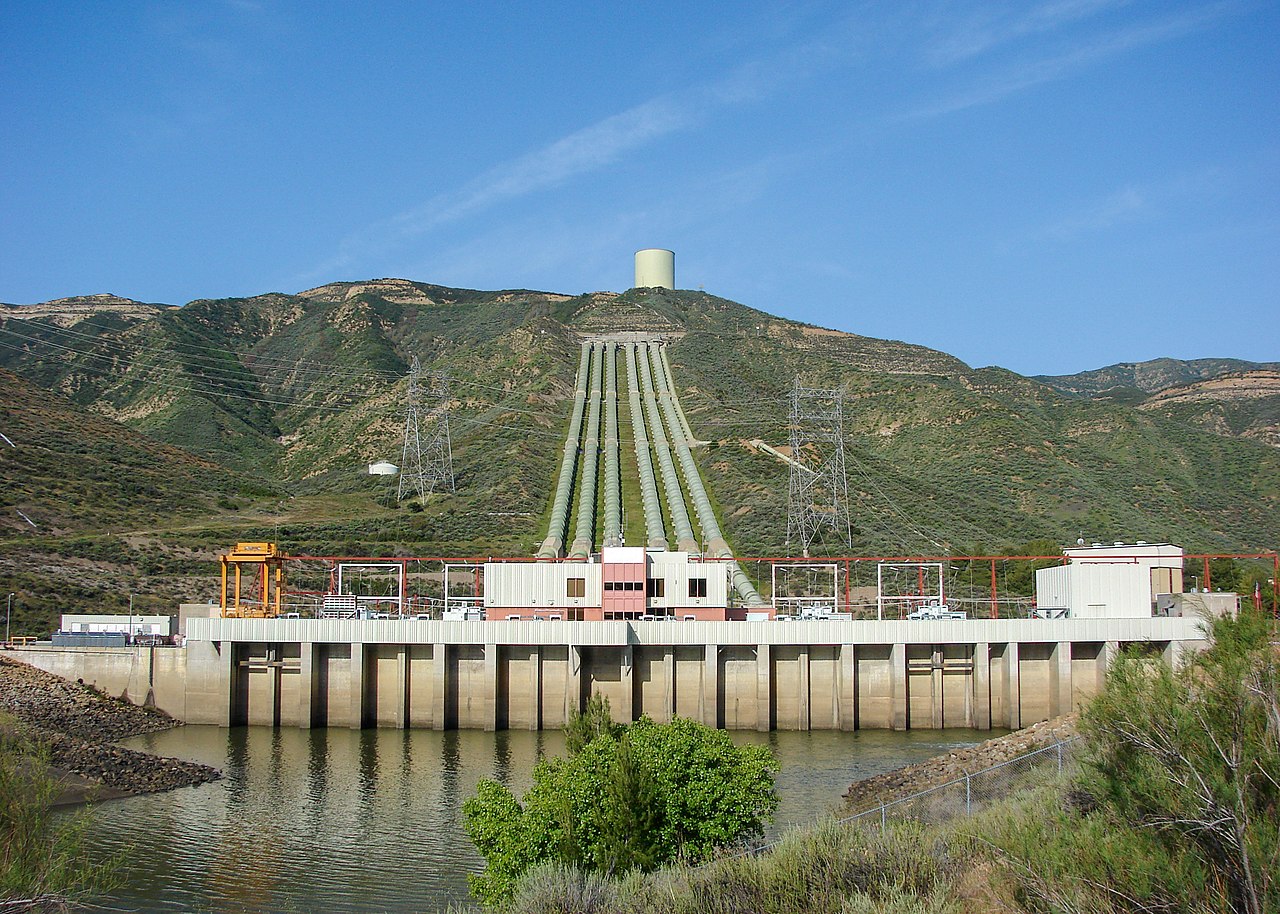
Brazil’s National Electric Energy Agency (Aneel) has registered the first request for authorization for an energy storage system classified as a closed-loop pumped-storage hydropower plant. The registration, formalized under Order No. 3,960/2026 and published on Oct. 21, concerns the 5.2 MW Salto Timbé do Sul project, owned by AMUR Ltda. in the municipality of Timbé do Sul, Santa Catarina.
The preliminary storage-system registration, known as DRO-SAE, is provided for under Normative Resolution No. 1,161/2026. It is an optional step before formal authorization, allowing developers to advance project-enabling processes, including obtaining environmental permits and meeting requirements set by public authorities and potential lenders.
Closed-loop pumped-storage plants use two or more reservoirs to pump and generate electricity without directly altering the continuous flow of a watercourse within a river basin. Under Brazil’s regulatory framework, this configuration is classified as an energy storage system and falls under the authorization regime for storage, rather than the rules governing the exploitation of conventional hydropower resources.
The technology provides another means of storing electricity and increasing power-system operating flexibility.
The DRO-SAE registration is valid for four years from publication of the order and cannot be extended. It does not grant preferential rights, exclusivity or a guarantee of final authorization. Developers can also apply directly for authorization without first obtaining the preliminary registration.
From pv magazine Brazil
More about
Written by



Popular Posts