SolarEdge exits Australian market

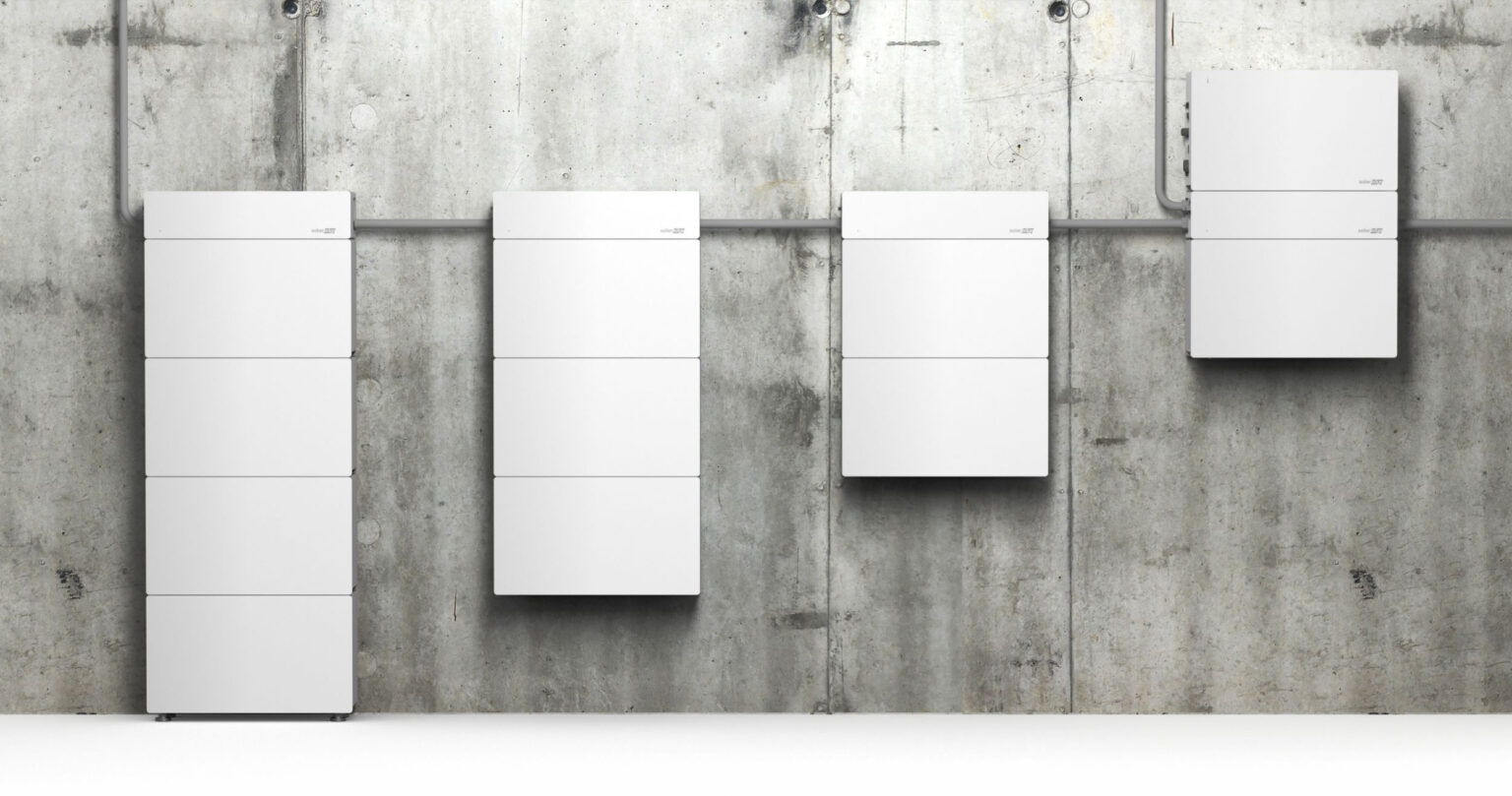
Israel-based inverter and battery manufacturer SolarEdge has advised that it is closing its local sales and operations in Australia and New Zealand, including its battery products. The company also announced it will terminate product certification renewals, active marketing promotions and incentive programs in the region.
In a notice to installers, SolarEdge says final purchase orders must be submitted by 20 November 2026, with final delivery no later than 18 December 2026.
In Australia, SolarEdge was selling its SolarEdge Home Battery, a 10kWh battery with a usable energy of 9.7kWh and a 100% depth of discharge capability. Online sellers had priced it at AUD $11,499.00.
The company, which now manufactures inverters, optimisers, solar panels, batteries and EV chargers in the United States, said warranty and technical support will continue via its international call centre and online self-service portal.
The announcement follows SolarEdge CEO Shuki Nir telling investors last week that the company was taking steps to “reduce costs, simplify operations, and support profitability.”
“We are making deliberate decisions to exit select underperforming geographic markets and redirect resources towards our core markets and higher growth opportunities,” he said during the company’s third-quarter results call.
“These are difficult but necessary decisions to build a more focused and competitive SolarEdge.”
Nir said the company will redirect resources toward “core regions” and higher-growth opportunities like its Nexis platform and solid-state transformers for data centres.
SolarEdge is the second big inverter manufacturer to rethink its position in the Australian market this year after SMA exited the residential and commercial sectors earlier in 2026.
The German-headquartered inverter and battery company announced it would withdraw from Australia’s residential and commercial markets, focusing instead on large-scale infrastructure, grid-forming technology, and hybrid integration.
SMA Chief Executive Officer Jürgen Reinert said at the time that the decision reflected “a considered view of where the energy transition is heading and where SMA can make the most meaningful contribution.”
Written by
Comments


Popular Posts