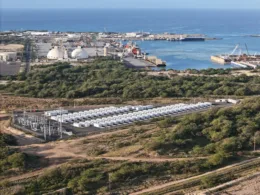
Netherlands sets 110 GWh battery storage target for 2040 to tackle grid congestion


The Dutch government has established a national benchmark for energy storage for the first time, projecting a need for 110 GWh of battery storage capacity by 2040.
The figure represents more than 50-fold increase over the capacity installed at the end of 2025, and the target was presented to the Dutch parliament this week.
To reach the 110 GWh benchmark, the Cabinet ministry has co-authored a new Energy Storage Policy Agenda (Beleidsagenda Energieopslag) alongside grid operator association Netbeheer Nederland, trade body Energy Storage NL, municipal and provincial governments, and the Authority for Consumers and Markets (ACM). The framework outlines 25 concrete actions designed to remove structural bottlenecks slowing project deployment across the country.
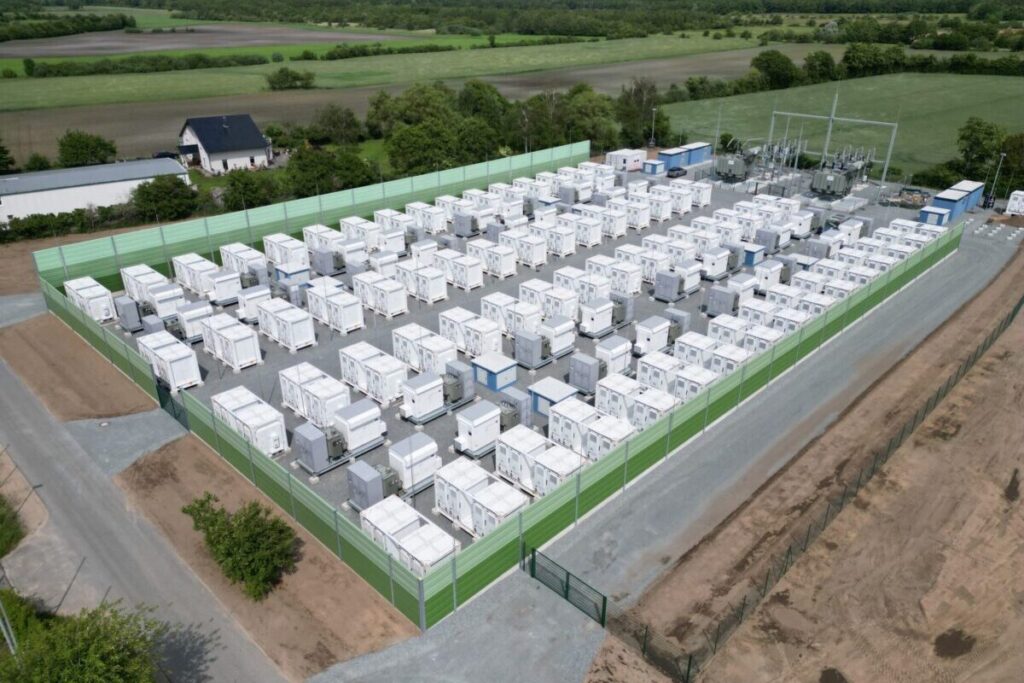
The Netherlands has congested transmission and distribution networks, and BESS at utility-scale has been given the rights to faster permitting processes by coordinating spatial planning between grid operators, developers, and regional authorities. The aim is make flexible grid connection contracts the standard for large-scale batteries, alongside new tariff and compensation structures that reward “grid-conscious” operation, without further specifics.
Recent regulatory shifts in the Dutch market are an indication, where transmission system operator TenneT has been signing time-limited and capacity control contracts, such as its 200 MW / 800 MWh congestion mitigator deal earlier in 2026, after previously allocating €100 million for congestion-relief storage subsidies.
Progress toward the 110 GWh figure will be tracked annually by the Netherlands Enterprise Agency (RVO), with the Cabinet noting that further political intervention will follow if deployment lags behind structural grid requirements.
Written by
Comments




Popular Posts