Warsaw grid operator adds distributed batteries to curb rooftop solar voltage spikes

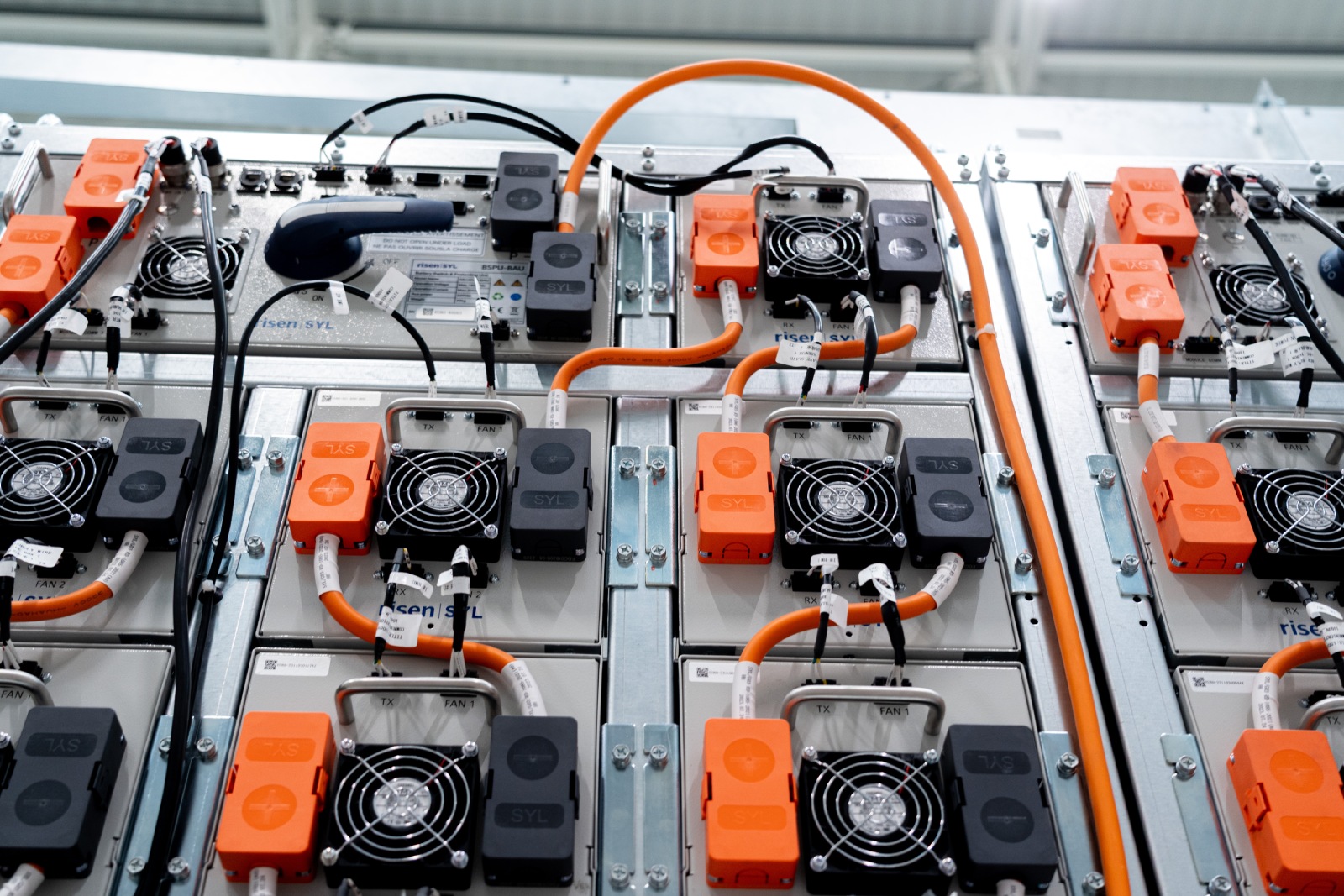
Warsaw’s distribution system operator (DSO), Stoen Operator, has contracted Polish electrical equipment manufacturer ZPUE S.A. to supply, install, and commission 10 battery energy storage systems across the capital’s distribution network.
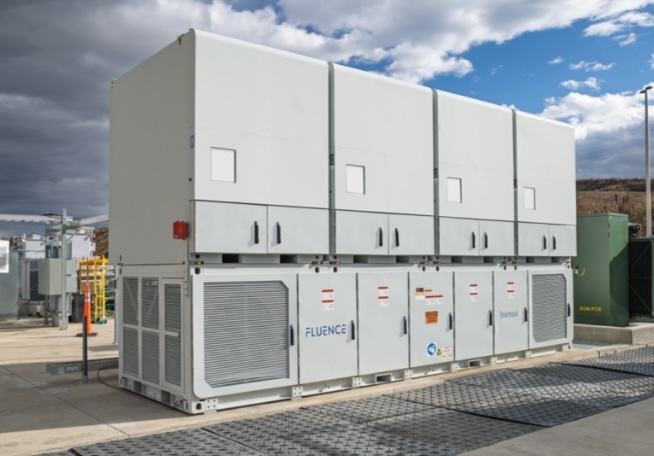
Each unit is rated at 150 kW and 200 kWh, bringing the combined deployment to 1.5 MW/2 MWh. The systems will be integrated directly alongside 10 medium- and low-voltage transformer substations in neighborhoods with dense concentrations of prosumer rooftop PV.
Internal analyses by the DSO in solar-rich zones previously flagged elevated voltage levels and repeated solar inverter disconnections, prompting customer power-quality complaints. By placing storage directly at targeted substations, the operator aims to regulate voltage without disconnecting transformers or upgrading stretches of the urban grid. European cities generally have cables trenches in streets and upgrades are expensive and difficult.
“The growing share of renewable energy sources, increasingly dynamic load profiles and the need to modernize infrastructure mean that energy storage is no longer an add-on, but is becoming one of the foundations of modern distribution grids,” said Łukasz Sosnowski, external funding and R&D project manager at Stoen Operator.
Site selection weighed local PV density, recorded voltage disturbances, and the physical feasibility of siting units beside existing transformer substations. Beyond voltage control, Stoen expects the fleet to cut network losses, ease local congestion, and open additional hosting capacity for new solar connections.
Under the turnkey contract, ZPUE will deliver the battery units, power conversion systems, AC gear, and control and protection equipment, alongside engineering, commissioning, and technical support. The battery cells are rated for up to 7,500 charge and discharge cycles.
The project is co-financed by Poland’s National Fund for Environmental Protection and Water Management (NFOŚiGW), which has also been channeling major state grants into utility-scale storage as the country links its balancing market to Europe’s MARI platform.
Written by
Comments
Popular Posts