Poland links to Europe’s MARI platform, ending isolated balancing era for BESS

Poland’s utility-scale battery operators are facing an interesting December, with the insulation from an isolated market ending after a rich period of revenues that made the country one of Europe’s highest-earning storage markets.
On Dec. 2 at 10:00am local time, transmission system operator Polskie Sieci Elektroenergetyczne (PSE) will operationally connect to the European Manually Activated Reserves Initiative (MARI), linking Poland’s manual frequency restoration reserve (mFRR) market to connected grids in neighboring regions.
The move follows approval by Poland’s Energy Regulatory Office (URE) to changes to the national balancing terms, fulfilling the country’s obligations under Article 20 of the EU Electricity Balancing Guideline.
For battery storage developers, the timing means a kind of everything all at once. The MARI connection goes live just one day after separate rules also take effect, including PSE’s new 2.5-minute ramp-rate cap on batteries in the automatic secondary reserve (aFRR) market.
In terms of technical details to the market operation, under MARI, Polish BESS assets bidding the standard mFRR product can be activated to balance foreign power systems, while PSE can call on mFRR bids from abroad.
How it works is that activations will clear along a pan-European merit order subject to available cross-border transmission capacity. There’s potential for Polish batteries to be able to access new foreign demand, but it also realistically exposes domestic storage fleets to direct price competition from potentially lower-cost European flexibility providers.
Rather than opening the border overnight, PSE is phasing in cross-border volumes over a full year via a Technical Profile capacity limit.
Polish mFRRd bids will route through MARI from December 2, starting in isolated, decoupled mode at 0 MW, meaning PSE joins the platform’s optimization processes while Polish demand remains met solely by domestic bids. From the 3rd to 9th, cross-border exchange opens at ± 50 MW on working days between 09:00 and 13:00, reverting to isolated mode outside those hours. The cap then widens to ± 100 MW on Dec. 9, ± 300 MW on Jan. 19, 2027, and ± 600 MW from June 2 through Dec. 2, 2027.
The gradual rollout gives battery optimizers and market traders time to recalibrate bidding strategies as domestic prices converge with the wider prices. It also marks the next major milestone following Poland’s June 2024 balancing market reform and PSE’s earlier integration with Europe’s automatic reserve platform, PICASSO.
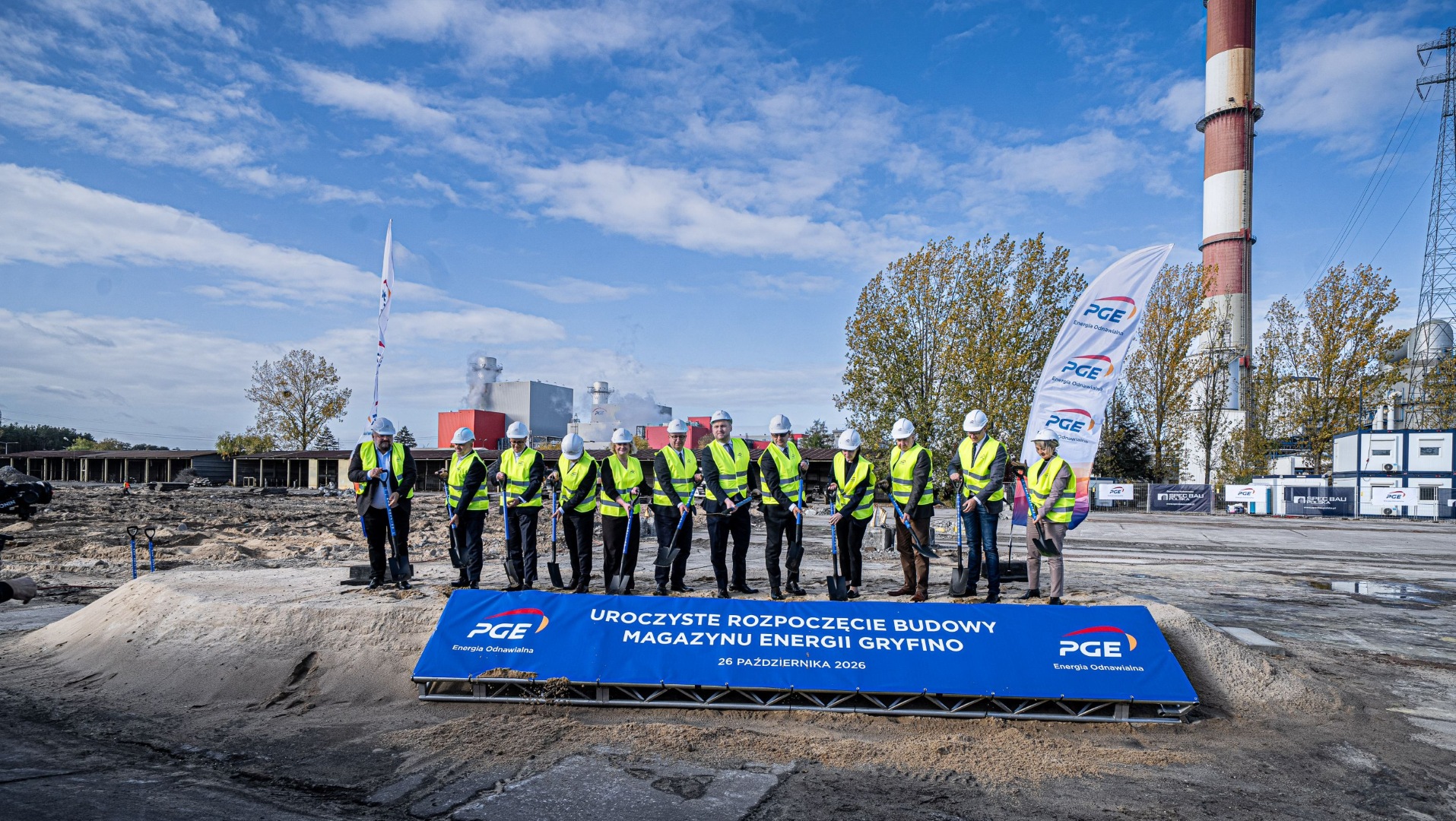
The rush for revenue has seen significant storage pipelines moving into construction, including Greenvolt’s 600 MW/2.4 GWh project in Siedlce. But the combined arrival of MARI and the Dec. 1 aFRR ramp restriction will clearly force a reset for project underwriting. High-margin Polish ancillary revenues are likely reaching an end point, in time.
Written by
Comments

Popular Posts