SolarEdge unveils all-in-one residential inverter and clickable modular battery system

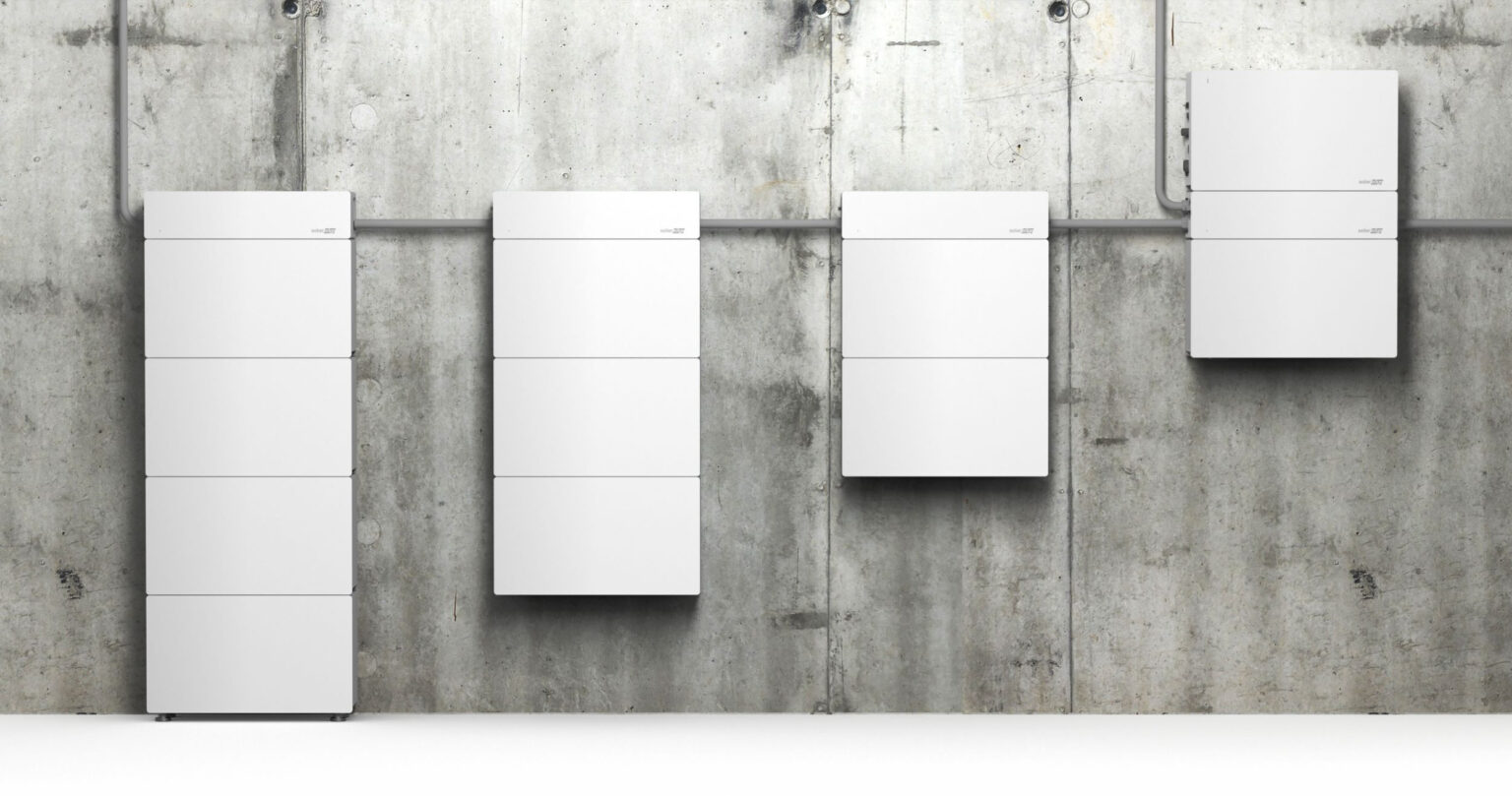
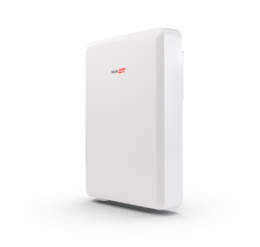
SolarEdge launched Nexis, a modular solar and energy storage system for residential projects. The integrated inverter and stackable battery solution is available with batteries included or as a standalone PV system.
A single battery module adds 4.9 kWh, 3.5 kW of storage. Each battery stack can accommodate up to four units, scaling to 19.6 kWh, 13 kW per stack. The battery supports both DC-coupled and AC-coupled solutions.
The stackable, modular battery is designed for flexibility in system sizing and ease of installation. It has a “simple-click” architecture, meaning additional battery modules can be added with no electrical wiring work needed. The video below shows the installation process.
The integrated battery and inverter solution supports whole-home backup, partial-home backup, time-of-use load shifting, energy arbitrage and self-consumption.
Each battery block contains its own power module, which the company said supports more backup power hours and system efficiency. The LFP batteries have cell-level thermal protection to support fire safety. The battery is UL and IEC listed and is backed by a 10-year warranty. Find the full datasheet on the stackable battery here.
Along with the Nexis stackable battery comes the Nexis inverter, a DC-optimized inverter with a 99% weighted efficiency. The DC-coupled solution enables solar customers to install larger systems while avoiding triggering the need for a main panel upgrade, which can pose unexpected costs for homeowners later on in the installation process.
The inverter is available in various sizes ranging from 3.84 kW to 13 kW and supports both 240 V and 208 V installations. The inverter has a 14.5 kW rated AC power in standalone operation.
The device enables module-level monitoring, arming the user with revenue-grade production and consumption data. It contains built-in folding antennas and a no-wire “simple click” connection with the Nexis battery system.
Together, the system enables up to four batteries per inverter (up to 70.4 kWh) and up to three inverters per site (211.2 kWh). Find a full datasheet for the inverter here.
“Addressing the need for home battery storage, [the system] provides the flexibility for customers to adapt their home solar to dynamic energy markets,” said Ronen Faier, chief executive officer, SolarEdge. “Coupled with our advanced energy management software capabilities, we believe this will offer a differentiated solution to North American installers and homeowners alike.”
SolarEdge also announced the launch of the Nexis IslandDER, a meter socket adapter provided by its partner ConnectDER. The meter collar is designed to support solar installations while avoiding a main panel upgrade, which can range between $1,500 to $4,000 in additional costs. Find a datasheet on the meter socket adapter solution here.
SolarEdge said the roll-out of the Nexis solution will begin in late 2025. View the video below for a demonstration of the “simple click” installation process.
From pv magazine USA.
Written by