Spain developing 16 GW of battery storage by 2030, accounting for 29% of global pipeline: EY

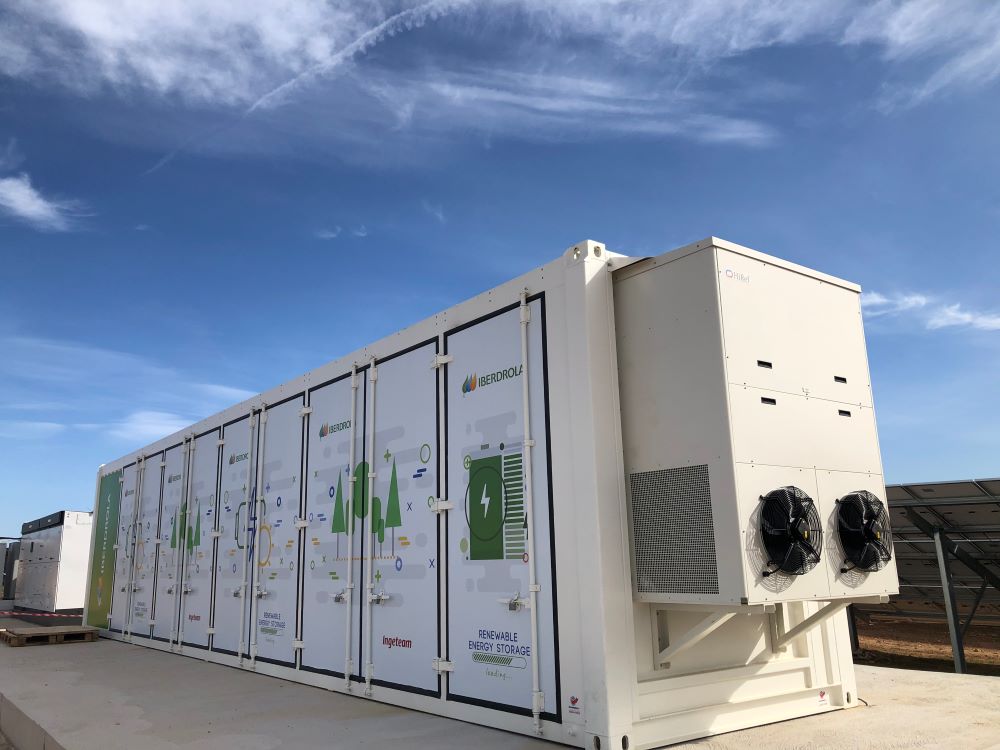
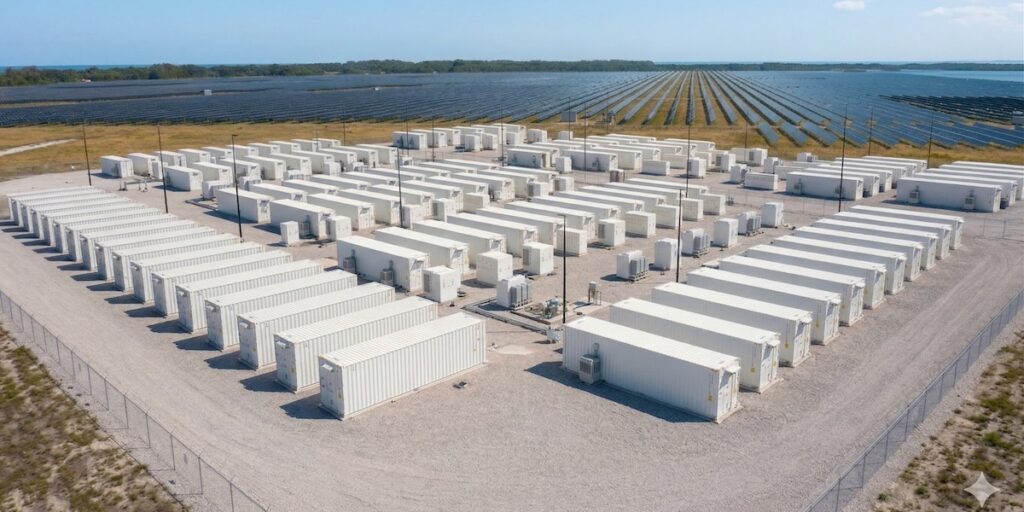
Spain is preparing for an unprecedented expansion in battery energy storage and now ranks as the world’s second-largest market for project development, behind only the United States. According to the EY Infrastructure Compass 2025: The development of batteries and other energy storage systems in Spain, the country is developing around 16 GW of BESS projects through 2030, or about 29% of the 55 GW estimated globally. The report was prepared by EY-Parthenon’s Infrastructure team and published by EY Insights.
Spain currently has about 7 GW of storage capacity, mostly hydroelectric. The National Energy and Climate Plan (PNIEC) targets 22.5 GW of total capacity by 2030, combining batteries, pumped hydro, and thermal storage linked to concentrated solar power.
EY estimates that Spain’s energy storage market has grown from around USD 417 million in 2019 to a projected USD 2.1 billion by 2029. The residential and commercial segments are growing rapidly, with annual rates close to 30% expected through the decade, reflecting the adoption of self-consumption systems with storage.
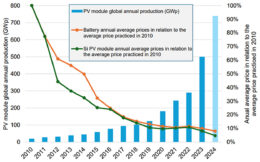
Alongside hydro storage, future capacity will increasingly rely on lithium-ion batteries and emerging technologies such as hydrogen and vanadium flow systems. A key driver has been cost reduction. Lithium-ion battery prices have fallen around 90% since 2010, reaching about USD 115 per kWh in 2024, and are expected to continue declining, supporting large-scale deployment.
The report also points to pumped-hydro storage as a strategic long-term investment opportunity. For major utilities, modernising and expanding pumped storage remains a critical priority. While batteries provide short-term flexibility, pumped hydro, which already contributes about 6 GW to the system, is essential for large-scale stability and seasonal balancing. Its long lifespan and low degradation make it a valuable asset class for integrating renewables and strengthening the grid.
Public support is another key factor. The Ministry for the Ecological Transition and the Demographic Challenge (MITECO) has launched a €750 million programme to boost domestic battery manufacturing, along with €699 million in EU funds to deploy up to 3.5 GW of new storage capacity.
Last week, MITECO opened a public consultation on a draft order to update several aid programmes under Spain’s PERTE scheme, part of the EU’s NextGeneration funds. The proposal extends project execution deadlines for R&D, stand-alone, and hybrid storage projects to December 31, 2028.
“Spain has all the right ingredients: climate ambition, regulatory support, technological innovation and investor appeal, to become a global benchmark in energy storage,” said Antonio Hernández, Partner in EY’s Regulated Sectors and Economic Analysis practice. “But the country must continue streamlining permitting and activate capacity markets as soon as possible.”
Francisco Coca, Partner at EY-Parthenon in Net Zero and Sustainability, added: “Spain is among the most attractive European markets for infrastructure funds seeking opportunities linked to the energy transition and digitalisation.”
From pv magazine Spain.
Written by



Popular Posts